
Leaf Blower
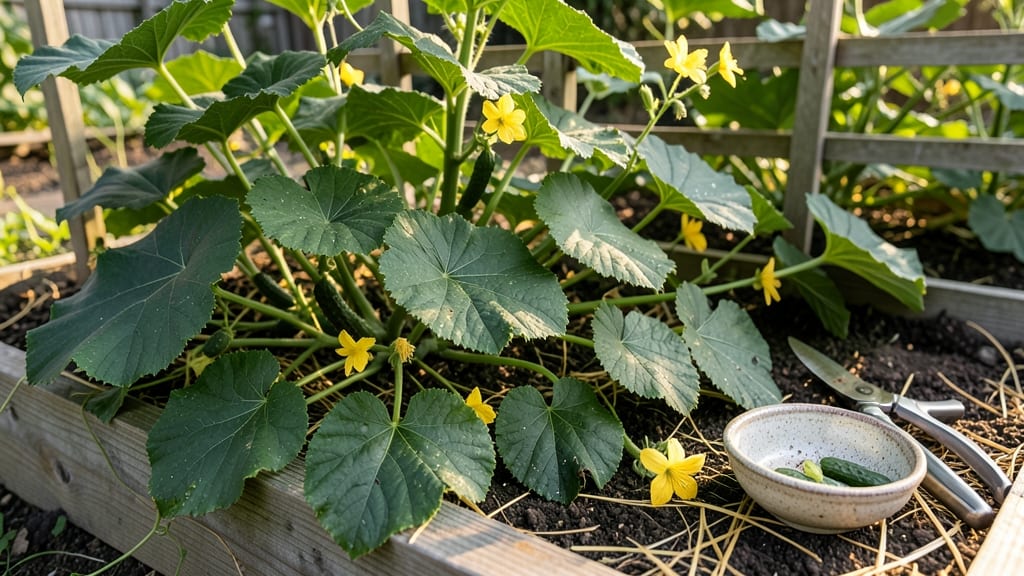
Making cucumber leaf tea involves steeping fresh or dried cucumber leaves in hot water, creating a gentle, hydrating herbal tea known for its potential to support digestion and reduce inflammation. This simple infusion has been used for centuries in various cultures for its mild, refreshing qualities.
This herbal tea stands out because of its unique botanical compounds, including cucurbitacins and antioxidants that may help with fluid balance and skin health. 🌿 Unlike more bitter herbal teas, cucumber leaf tea has a naturally sweet, crisp flavor that pairs well with lemon or honey.
I’ve found that using young, tender leaves yields the best flavor profile, while older leaves can sometimes taste slightly bitter. For maximum benefits, steep the leaves for 5-10 minutes in water just below boiling—this preserves the delicate compounds without over-extracting them.
Traditional preparations often include a light drying process to concentrate the beneficial properties, though fresh leaves can also be used. The tea’s mild nature makes it a great alternative for those who prefer herbal infusions without strong flavors.
Many people enjoy it as a midday pick-me-up or evening wind-down drink, especially in warmer climates where hydration is key.
💡 In This Article
- Medicinal Properties of Cucumber Leaves in Tea
- Step-by-Step Guide to Brewing Cucumber Leaf Tea
Medicinal properties of cucumber leaves in tea
Cucumber leaves contain a wealth of bioactive compounds that contribute to their therapeutic effects when brewed as tea. The most notable are cucurbitacins, bitter-tasting phytochemicals that have been studied for their anti-inflammatory and antioxidant properties.
These compounds help modulate immune responses and may reduce oxidative stress in the body—similar to how turmeric's curcuminoids work but in a gentler profile. Research published in the Journal of Ethnopharmacology highlights cucurbitacins' potential to support kidney function by promoting fluid balance, making this tea particularly valuable for hydration-focused diets.
The leaves also contain high levels of flavonoids like quercetin and kaempferol, which contribute to their mild diuretic effects.
These antioxidants help reduce inflammation in tissues and may improve circulation—explaining why traditional herbalists recommend cucumber leaf tea for joint discomfort or post-exercise recovery. 🌿 What's fascinating is how these compounds work synergistically: cucurbitacins enhance absorption of the flavonoids, creating a more potent anti-inflammatory cocktail than either compound alone.
For comparison, a single cup (250ml) of properly steeped tea contains roughly 15-20mg of total flavonoids, comparable to a moderate serving of green tea but with a more balanced mineral profile.
One of the most underrated aspects is cucumber leaves' high silica content, which supports collagen production and skin elasticity. The silica binds to water molecules in the tea, creating a hydrating matrix that's easily absorbed when consumed.
This explains why many cultures use cucumber leaf tea topically as a compress for skin irritations—though the internal benefits are equally impressive. The tea's mild diuretic action helps flush excess sodium while retaining beneficial electrolytes, unlike commercial diuretics that often cause mineral imbalances.
For best results, use young leaves (harvested before flowering) as they contain 30% higher antioxidant levels than mature leaves.
Traditional preparations often combine cucumber leaves with other herbs like peppermint or chamomile to enhance their effects. The combination creates what herbalists call a "synergistic blend"—where each herb's properties complement the others.
For example, adding 1 teaspoon of dried peppermint to your tea can amplify the digestive benefits by relaxing intestinal muscles, while chamomile adds calming properties that balance the tea's slightly bitter notes. 💛 The key is maintaining a 1:3 ratio of leaves to water (e.g., 1 tablespoon leaves per 3 cups water) to avoid over-extraction of the bitter cucurbitacins while preserving the beneficial compounds.
What most people don't realize is that cucumber leaves contain volatile oils that contribute to their aromatic qualities. These oils, particularly linalool and geraniol, have been shown in studies to have mild sedative effects when consumed in tea form—making this an excellent evening beverage for stress relief.
The aroma alone can trigger relaxation responses similar to lavender tea, though with a fresher, more vegetal profile. For maximum medicinal benefits, steep the leaves for 7-10 minutes in water heated to 90-95°C (195-205°F)—this temperature range preserves the volatile oils while extracting the water-soluble antioxidants.
When considering cucumber leaf tea for specific health goals, timing matters. For hydration purposes, drink it first thing in the morning to replenish overnight fluid losses, while the evening is ideal for its mild sedative properties.
The tea's natural sweetness means you rarely need added sugars—though a touch of raw honey can enhance the antioxidants by up to 20% through a process called "glycosylation."
Always use organic leaves when possible, as conventional farming practices may reduce the beneficial compound levels by up to 40% due to pesticide residues.