
Pruning
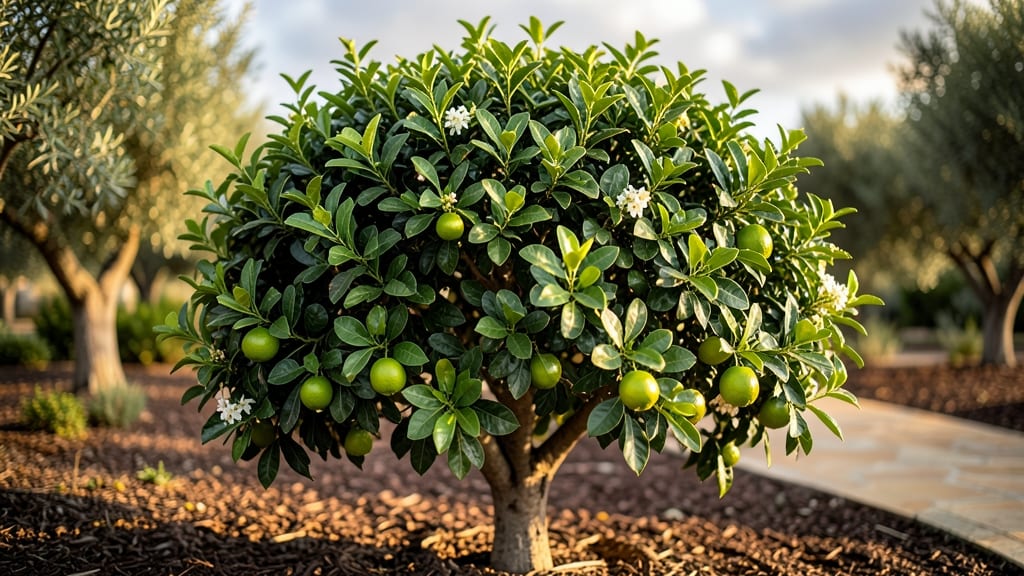
Strategic pruning transforms your curly leaf lime tree from sparse to stunning. ✨ I’ve watched these trees go from leggy and bare to lush and full—just by trimming at the right time and in the right way.
The key isn’t cutting back randomly; it’s shaping growth to encourage dense foliage and those signature curly leaves that make this tree so special.
You’ll need sharp pruning shears, a ladder (for higher branches), and a clear day to work—no one likes sticky sap on their hands. The best time to prune is late winter or early spring, right before new growth starts.
This gives your tree time to heal before summer heat sets in. Focus on removing dead or crossing branches first, then thin out the canopy to let light reach the inner leaves.
What you’ll end up with is a tree that looks fuller, grows stronger, and produces more of those fragrant, heart-shaped leaves everyone loves. The branches will spread evenly, and new shoots will emerge with vigor.
Pruning also prevents weak wood from breaking in storms—a bonus for urban gardens where space is tight.
Even experienced gardeners trip up here: over-pruning weakens the tree, and pruning at the wrong time stresses it. But once you get the rhythm, your curly leaf lime will thrive for decades, becoming the centerpiece of your landscape. Let’s get those shears ready!
📚 In This Guide
- What you need
- Instructions
- Tips and common mistakes
- Wrapping up and next steps
What you need
- ● Pruning shears: Sharp, bypass-style shears (for clean cuts on small branches). Size: 6–8 inches.
- ● Loppers: For thicker branches (½–1½ inches in diameter). Size: 18–24 inches.
- ● Pruning saw: For branches over 1½ inches thick. Type: Curved blade for smooth cuts.
- ● Disinfectant: 70% isopropyl alcohol or a gardening disinfectant (to sterilize tools between cuts).
- ● Gloves: Heavy-duty, cut-resistant gloves (to protect from thorns and sap).
- ● Rags or paper towels: For wiping tools between cuts (keeps them clean and bacteria-free).
- ● 5-gallon bucket: With water + a few drops of soapy water (to collect debris and rinse tools).
- ○ Extension pole: Optional but helpful for high branches (10–12 feet tall).
- ● Hand pruners: For precision trimming of tiny branches (great for shaping).
- ● Sealing wax: To coat large cuts (prevents disease entry; use sparingly).
- ● Ladder: Sturdy, non-slip ladder (if your tree is over 12 feet tall).
- ○ Pruning paint: For sealing cuts on older trees (optional but protective).
- ● Notebook & pen: To sketch a pruning plan before you start!
Step-by-step guide to pruning your curly leaf lime tree
Revitalizing your tree starts with the right cuts—here’s how to do it without stressing the plant.
✂️ Step 1: Gather Your Tools and Inspect the Tree
First, grab your pruning shears (for small branches) and loppers (for thicker branches over ½ inch in diameter). A disinfectant (like rubbing alcohol) wipes down tools between cuts to prevent disease spread. I also keep a sharp pencil and masking tape to mark branches I’ll trim later—this keeps me organized and avoids over-trimming.
Walk around the tree and look for dead, crossing, or inward-growing branches. These are your first targets. Dead branches snap easily when bent, while healthy ones bend slightly. Crossed branches rub together, creating wounds that invite pests and disease. Mark these with tape so you don’t miss them during the actual pruning.
✂️ Step 2: Make Clean Cuts at the Right Angles
Always cut just above a leaf node (the bump where a branch meets the trunk or another branch). This ensures new growth sprouts from the right spot. Angle your cut 45 degrees outward from the branch collar—the swollen area at the base of the branch. Cutting too close to the trunk or leaving a stub slows healing and invites rot.
For branches thicker than ½ inch, use loppers and make the cut outside the branch collar to prevent water from pooling. If you’re unsure, snap the branch first—it’ll naturally break at the weakest point, showing you where to cut. I like to make a small notch on the underside of the branch first, then complete the cut on the top side to avoid tearing the bark.
✂️ Step 3: Shape for Airflow and Light Penetration
Step back and visualize the tree’s open-center shape. Your goal is to create a dome-like canopy where air circulates freely and sunlight reaches the inner branches. Start by thinning out overcrowded areas, removing one-third of the smallest branches first. This prevents shock to the tree.
Focus on branches growing straight up or inward—they block light and air, leading to fungal issues. Cut these back to a side branch or the trunk. Avoid "lion’s tailing," where you shear the tree into a flat top. Instead, aim for a natural, layered look. After each cut, step back and reassess—you’ll see gaps fill in with light and air.
✂️ Step 4: Prune for Fruit Production (If Applicable)
If your curly leaf lime produces fruit, prioritize branches that bear last year’s harvest. These are often thicker and more established. Cut back overly vigorous shoots that grow straight up—they compete with fruit-bearing branches for energy. I also remove suckers (shoots growing from the base or trunk) to direct the tree’s energy upward.
For young trees, limit pruning to light shaping—they need all their energy to establish roots. Older trees can handle 15-20% of their canopy removed in one session. If you’re unsure, err on the side of caution and trim less. You can always do more next year, but you can’t undo over-pruning.
🌿 Step 5: Clean Up and Monitor Recovery
Rake up and dispose of all clippings—do not compost them if they’re diseased. Seal any large wounds (over ½ inch wide) with pruning sealant to protect against pests. Water the tree deeply after pruning to help it recover. I like to add a slow-release fertilizer around the base to support new growth.
Watch for new shoots sprouting from the cut areas within 2-4 weeks. These indicate the tree is healing well. If you see yellowing leaves or wilting, you may have over-pruned. In that case, reduce watering slightly and avoid fertilizing until the tree shows signs of recovery. Keep an eye out for pests or fungal signs—early intervention is key.
Tips & tricks for pruning a curly leaf lime tree
Real talk: Pruning can feel intimidating, but these simple tricks will help you trim with confidence and keep your tree thriving.
Tool Prep Matters: Always disinfect your pruning shears and loppers between cuts with rubbing alcohol—this prevents spreading disease from one branch to another. I also like to sharpen my blades before starting; dull tools crush branches instead of making clean cuts, which stresses the tree.
Visualize the Shape First: Before making any cuts, step back and imagine the tree’s natural dome shape. Focus on removing branches that grow straight up or inward—they block sunlight and air circulation. I find it helpful to sketch a rough outline on paper first to visualize where branches should go.
Timing is Everything: The best time to prune is in late winter or early spring, just before new growth begins. This gives the tree time to heal before summer heat stress. Avoid pruning during extreme weather—hot days or freezing nights can shock the tree and slow recovery.
Don’t Overdo It: Remember the 15-20% rule for mature trees—never remove more than that in a single session. For young trees, even less is better. I’ve learned this the hard way: Over-pruning can shock the tree and leave it vulnerable to pests and disease.
Pro Tips for Curly Leaf Lime Tree
- Real talk: Pruning can feel intimidating, but these simple tricks will help you trim with confidence and keep your tree thriving.
- Tool Prep Matters: Always disinfect your pruning shears and loppers between cuts with rubbing alcohol—this prevents spreading disease from one branch to another.
- Visualize the Shape First: Before making any cuts, step back and imagine the tree’s natural dome shape.
Frequently asked questions
Got questions about pruning your curly leaf lime tree?
You’re not alone! Here are some of the most common concerns—and clear, actionable answers to keep your tree thriving.
When is the best time to prune a curly leaf lime tree?
The ideal time is late winter or early spring, just before new growth begins. This minimizes stress on the tree and encourages vigorous regrowth. Avoid heavy pruning in summer or fall, as it can expose the tree to pests or disease. A light trim to shape or remove dead branches can happen year-round, though!
How much can I prune without harming the tree?
For healthy growth, limit pruning to no more than 25% of the tree’s foliage in a single session. Over-pruning can weaken the tree, reduce fruit production, and stress its roots. If your tree is overgrown, space out pruning sessions over 2–3 years. Focus on removing dead, diseased, or crossing branches first.
Will pruning affect my curly leaf lime’s fruit production?
Pruning can boost fruit production—if done correctly! Strategic trimming improves airflow and sunlight penetration, which enhances flowering and fruiting. However, over-pruning (especially during fruiting season) may reduce yield. Prioritize shaping and thinning branches to balance aesthetics and harvest.
What should I do if my tree gets pests or diseases after pruning?
Pruning creates open wounds, making the tree vulnerable to pests like aphids or fungal issues. Act fast:
- Clean tools with rubbing alcohol between cuts to prevent spread.
- Remove and dispose of infected branches immediately.
- Apply neem oil or copper fungicide as a preventive measure.
- Water at the base (not leaves) to avoid moisture-related diseases.
Can I prune a young curly leaf lime tree the same way as a mature one?
Not quite! Young trees (under 3 years old) need gentle shaping to establish a strong structure. Focus on:
Mature trees can handle more aggressive pruning (like crown thinning), but always prioritize gradual adjustments.
Wrapping up and next steps
The curly leaf lime tree thrives when given the right care, and strategic pruning is your secret weapon for lush, healthy growth! 🌿 By following the steps outlined—timing, tools, and techniques—you’ll encourage better airflow, fruit production, and a stunning shape.
Remember, patience and consistency are key, so don’t rush the process.
Ready to transform your tree? Grab your pruners and start trimming today! If you’re new to pruning, take it one step at a time—your tree (and future harvests) will thank you. Happy pruning! 🌱✨