
Plants
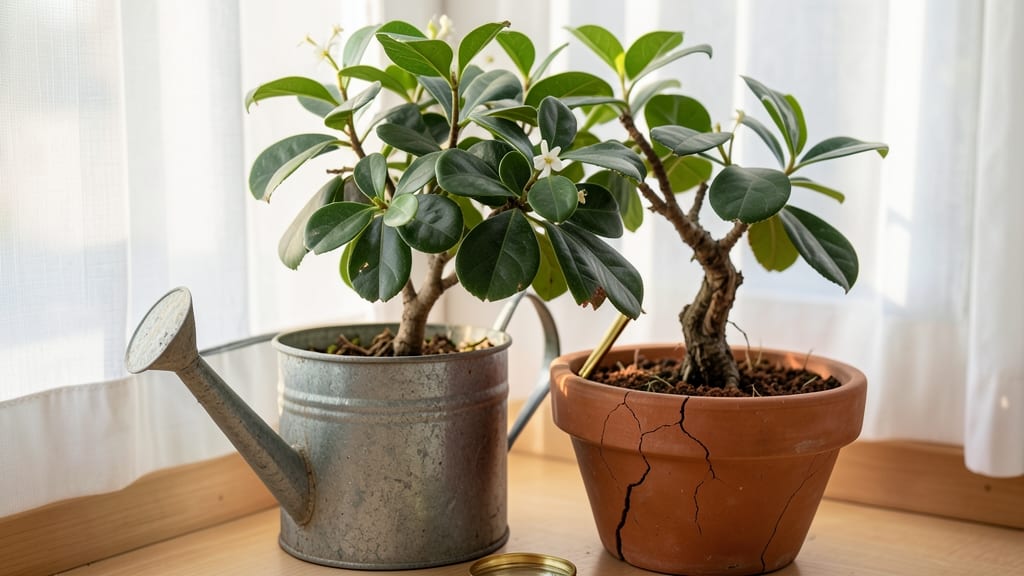
Your curry leaf plant's drooping leaves scream for help—but don't panic. I've nursed back more than my share of sad-looking plants, and curry leaves respond faster than you'd think when you address the real culprits: water, light, or hidden pests.
The good news? This isn't a death sentence, just a wake-up call your plant is giving you.
Most drooping happens from either too much love (overwatering) or neglect (underwatering), but pests like spider mites or fungal stress can mimic those symptoms. I check the soil first—if it's soggy, I let it dry; if it's bone-dry, I water deeply.
The key is consistency: curry leaves hate wet feet but also need steady moisture. And yes, I mean that literally—no guessing games with this one.
Within a week of adjusting care, you'll see leaves perk up again. The first sign of revival? New growth at the tips, followed by that signature aromatic snap when you crush a leaf.
It's a small victory that makes all the difference—especially when you're growing your own spice plant instead of buying it at the store.
For stubborn cases, we'll talk about pruning, repotting, or when to call in reinforcements (like neem oil for pests). But start with these three fixes—they solve 90% of drooping problems. Your kitchen's about to get a whole lot more fragrant.
Root Causes Behind Wilting Leaves
When your curry leaf plant’s leaves start drooping like a tired party guest, it’s usually a cry for help—often tied to its core needs. Understanding the why behind the wilt helps you act fast.
Below, we break down the most common culprits, from soil woes to environmental stress, with science-backed explanations to pinpoint the issue.
The #1 killer of curry leaf plants? Soggy roots. These tropical beauties thrive in well-draining soil, and when water pools around their roots, oxygen gets cut off, leading to anaerobic stress. This triggers wilting as the plant struggles to absorb nutrients.
- Signs: Yellowing leaves, mushy stems, or a foul smell from the soil.
- Why it happens: Curry leaves hate "wet feet." Their roots need 60% porosity (air gaps) to breathe. Clay-heavy or compacted soil traps moisture, suffocating roots.
- Actionable fix:
- Check the soil’s moisture by sticking your finger 2 inches deep—if damp, wait to water.
- Repot in a mix of coconut coir, perlite, and sand (3:1:1 ratio) to improve drainage.
- Ensure pots have drainage holes—no exceptions!
Drooping can also signal thirst or heat exhaustion. Curry leaf plants are drought-tolerant but need consistent moisture, especially in hot climates. When soil dries out completely, leaves curl and wilt as the plant conserves water.
Heat stress compounds the issue—temperatures above 90°F (32°C) can scorch leaves, causing them to droop even if the soil is moist.
- Signs: Dry, crispy leaf edges; soil pulling away from pot sides.
- Why it happens: Curry leaves are native to India’s coastal regions, where humidity hovers around 70–80%. Low humidity + high heat = rapid transpiration (water loss), outpacing root uptake.
- Actionable fix:
- Water deeply every 3–4 days in summer, letting excess drain out.
- Move the plant to partial shade (morning sun, afternoon shade) if leaves feel papery or sunburned.
- Boost humidity with a pebble tray or misting (avoid wetting leaves to prevent fungal issues).
A drooping curry leaf plant might be starving—not for food, but for essential nutrients like nitrogen, potassium, or magnesium. Yellowing leaves with droop often signal chlorosis (chlorophyll loss), while stunted growth hints at root-bound stress.
- Signs:
- Yellowing between leaf veins (magnesium deficiency).
- Purple-tinged undersides (phosphorus deficiency).
- Leaves curling inward (potassium deficiency).
- Roots circling the pot (root-bound).
- Why it happens:
- Curry leaves are heavy feeders and deplete soil nutrients quickly. Over time, repurposed soil lacks micronutrients.
- Root-bound plants can’t absorb water/nutrients efficiently, leading to wilting even when watered.
- Actionable fix:
- Fertilize every 4–6 weeks with a balanced liquid fertilizer (10-10-10 NPK) or compost tea.
- For deficiencies:
- Magnesium: Sprinkle Epsom salt (1 tsp/gallon of water) monthly.
- Potassium: Use banana peel tea or wood ash.
- Repot if roots are circling or protruding from drainage holes into a pot 2 inches larger.
Hidden pests like aphids, spider mites, or whiteflies sap plant sap, causing leaves to wilt as the plant diverts energy to fight back. Fungal infections (e.g., root rot or powdery mildew) can also clog stomata, reducing water uptake.
- Signs:
- Sticky residue on leaves (aphids).
- Fine webbing (spider mites).
- White powdery spots (mildew).
- Black, mushy roots (root rot).
- Why it happens:
- Pests thrive in dry, dusty conditions or after stress (like overwatering).
- Fungi spread in humid, stagnant air or from contaminated soil/tools.
- Actionable fix:
- Isolate the plant and wipe leaves with neem oil (1 tsp/quart of water).
- For root rot: Trim infected roots, repot in fresh soil, and avoid watering until soil dries.
- Improve airflow with spacers or a small fan.
Curry leaf plants are sensitive to sudden temperature drops (below 50°F/10°C) or cold drafts, which disrupt cellular function. Windburn can also dehydrate leaves, causing them to droop.
- Signs: Brown, crispy leaf edges; sudden wilting after moving the plant.
- Why it happens: Their tropical origins mean they’re adapted to consistent warmth (60–90°F/15–32°C). Cold snaps or AC vents trigger osmotic shock, halting nutrient transport.
- Actionable fix:
- Keep plants away from windows, doors, or vents.
- Use a heat mat in winter if indoors.
- Protect outdoor plants with burlap wraps in windy areas.
Reviving Your Curry Leaf Plant
When your curry leaf plant’s leaves start drooping, it’s often a clear SOS from your green friend! But don’t panic—most issues are fixable with a few targeted tweaks. Below, we’ve mapped out practical solutions based on the most common causes, along with prevention tips to keep your plant thriving long-term.
Let’s get your curry leaf back to its perky, aromatic best!
Signs: Yellowing leaves, mushy stems, or a foul smell from the soil.
How to Fix It:
- Stop Watering Immediately 🚰
- Let the top 1–2 inches of soil dry out completely before watering again. Curry leaves hate soggy roots!
- Check Drainage 🏗️
- Repot your plant in a container with drainage holes if it doesn’t have them. Use a well-draining mix (cactus or succulent soil works well).
- Trim the Damage ✂️
- Snip off any blackened or mushy leaves to prevent rot from spreading.
- Adjust Your Routine ⏰
- Water only when the soil feels dry to the touch (stick your finger in—if it’s damp, wait!).
💡 Prevention Tip:
- Water deeply but infrequently. Curry leaves store moisture in their stems, so they prefer drought-like conditions over consistent dampness.
Signs: Crispy, brown edges, wilting leaves, or soil pulling away from the pot.
How to Fix It:
- Give It a Good Soak 💦
- Water thoroughly until it drains from the bottom. Let excess water escape completely.
- Mist the Leaves 🌧️
- Curry leaves love humidity! Mist them lightly 2–3 times a week, especially in dry climates.
- Move to a Shadier Spot 🌿
- If your plant is in direct, harsh sunlight, relocate it to morning sun or partial shade to reduce water loss.
- Check Soil Moisture 📏
- Use a moisture meter or your finger to gauge when to water next. Aim for consistently moist (not soggy) soil.
💡 Prevention Tip:
- Group plants together to create a microclimate with higher humidity. A pebble tray with water nearby can also help!
Signs: Leaves drooping suddenly, curling edges, or slow growth—especially in extreme heat or cold drafts.
How to Fix It:
- Find the Sweet Spot 🌡️
- Curry leaves thrive in 70–85°F (21–29°C). Keep them away from:
- AC vents (dry air + cold drafts = stress).
- Direct heat sources (radiators, stoves).
- Curry leaves thrive in 70–85°F (21–29°C). Keep them away from:
- Boost Humidity 🌬️
- Place the pot on a humidity tray (pebbles + water) or use a small humidifier nearby.
- Pro tip: Wrap the pot in a damp towel for a few hours if humidity is very low.
- Adjust Light Gradually 🌞
- If moving from indoors to outdoors, acclimate slowly over 1–2 weeks to avoid shock.
💡 Prevention Tip:
- Avoid sudden changes. If temperatures drop below 50°F (10°C), bring your plant indoors immediately.
Signs: Pale yellow leaves, slow growth, or weak stems (often from poor soil or over-fertilizing).
How to Fix It:
- Test Your Soil 🧪
- Use a soil pH test kit—curry leaves prefer slightly acidic to neutral (6.0–7.0 pH).
- Fertilize Lightly 🌿
- Use a balanced liquid fertilizer (10-10-10) diluted to half-strength every 4–6 weeks during spring/summer.
- Avoid fertilizing in winter—your plant is dormant!
- Refresh the Soil 🔄
- If the soil is depleted, repot with fresh, well-draining potting mix mixed with compost or worm castings.
💡 Prevention Tip:
- Feed in moderation. Too much fertilizer burns roots—always water before and after applying fertilizer.
Signs: Sticky leaves (aphids), white webbing (spider mites), or black spots (fungus).
How to Fix It:
- Isolate the Plant 🛑
- Move it away from other plants to prevent spreading.
- Wipe Down Leaves 🧽
- Use a mild soap solution (1 tsp dish soap + 1 quart water) to gently scrub leaves with a soft cloth.
- Target Pests 🎯
- For aphids/spider mites: Spray with neem oil (1 tsp neem oil + 1 quart water).
- For fungus: Apply copper fungicide or a baking soda spray (1 tsp baking soda + 1 quart water + few drops of soap).
- Improve Airflow 🌬️
- Prune crowded branches and ensure the plant isn’t in a stuffy corner.
💡 Prevention Tip:
- Inspect new plants before bringing them home—quarantine for a week to spot hitchhiking pests!
- Prune Wisely ✂️: Trim drooping or damaged leaves to redirect energy to healthy growth.
- Rotate the Pot 🌀: Turn your plant occasionally so all sides get even light.
- Be Patient ⏳: Recovery takes 1–2 weeks—stick with your fixes before giving up!
Your curry leaf plant is tougher than it looks! With these fixes, it’ll bounce back—and you’ll be back to harvesting fresh, fragrant leaves in no time. 🌱✨
Frequently asked questions
Why do my curry leaf plant leaves droop after watering?
This usually means your plant is suffering from overwatering or poor drainage. Curry leaf plants store water in their stems, so they prefer dry spells between waterings. Check if the soil feels soggy—if it does, let it dry out completely before watering again. Ensure your pot has drainage holes and use a well-draining soil mix like coconut coir and perlite.
Can I revive a curry leaf plant with completely wilted leaves?
Yes, but act fast! First, trim any blackened or mushy leaves to prevent rot. Then, check the soil moisture—if it's dry, give it a deep watering. Place the plant in bright, indirect light and increase humidity with a pebble tray. Most plants show signs of recovery within 1-2 weeks if the roots are still healthy.
How often should I fertilize a struggling curry leaf plant?
Start with a light feeding every 6-8 weeks using a balanced liquid fertilizer (10-10-10) diluted to half-strength. Over-fertilizing stressed plants can burn roots. For nutrient deficiencies, try organic fixes like Epsom salt (for magnesium) or banana peel tea (for potassium) before reaching for chemical fertilizers.
Are drooping leaves a sign of pests on my curry leaf plant?
Not always, but check for spider mites (fine webbing) or aphids (sticky residue). If you find pests, isolate the plant and treat with neem oil (1 tsp per quart of water). For fungal issues like powdery mildew, improve airflow and avoid wetting leaves when watering. Most pest-related wilting improves within 5-7 days of treatment.
Can I save my curry leaf plant if the stems are soft and mushy?
This indicates root rot, which is serious but not always fatal. Trim all soft, blackened stems and roots, then repot in fresh, sterile soil with perlite for drainage. Withhold water for 3-5 days to let any remaining rot heal, then resume watering only when the top 1 inch of soil is dry. Keep the plant in bright, indirect light during recovery.