
Pests and Diseases
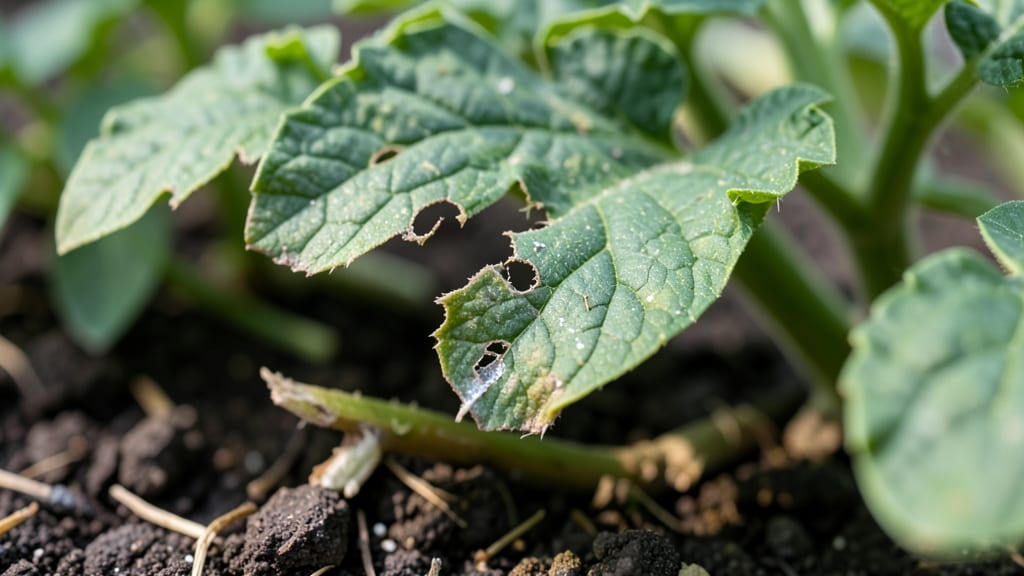
Your seedlings aren’t wilting—they’re being eaten alive by cutworm leaf damage. 🌱 These nocturnal chewers slice stems at soil level, leaving behind ragged leaf edges and collapsed plants overnight. The damage looks like a lawnmower ran through your garden, but the fix is simpler than you think.
The first step is spotting the signs: notched stems, chewed leaves, and tiny green caterpillars hiding under mulch or leaves during the day. They thrive in moist, weedy soil, so tidy up debris and water in the morning to dry the soil faster—cutworms hate dry conditions.
Within 24 hours, you can stop the damage with cardboard collars around stems or neem oil spray at dusk. For severe cases, Bt (Bacillus thuringiensis) is a natural, effective pesticide that targets caterpillars without harming bees or beneficial insects. This method works for vegetables, flowers, and herbs—just act fast.
Once you’ve dealt with the current infestation, row covers and clean garden beds keep them from coming back next season.
Root Causes of Leaf Destruction
Cutworms don’t just appear out of nowhere—they thrive because of specific conditions that make your garden a five-star buffet. Understanding these triggers is the first step in outsmarting them. Let’s break down the real reasons your plants are getting munched after dark.
Cutworms are cold-blooded critters, and they love environments that mimic their natural habitat—warm, moist, and sheltered. Here’s why your garden might be their perfect hideout:
- Warm Soil & Nighttime Temperatures
- Cutworms are most active when soil temps hover between 60–80°F (15–27°C).
- Why it matters: Warmer nights (especially in spring/fall) speed up their metabolism, making them hungrier and more aggressive.
- Actionable insight: If you notice damage spiking after a heatwave, mulch heavily to regulate soil temps or use reflective mulch to deter them.
- High Humidity & Rainfall
- Cutworms despise dry conditions—they need moisture to survive.
- Why it matters: Overwatered or poorly drained soil creates the perfect damp hideout for their eggs and larvae.
- Pro tip: 💡 Reduce evening watering (cutworms are nocturnal) and improve drainage to make your garden less inviting.
- Thick Mulch & Debris
- Leaf litter, grass clippings, and dense mulch provide cover for cutworms to hide during the day.
- Why it matters: They burrow into these layers, then emerge at night to feed undetected.
- Solution: 🌡️ Keep mulch 2–3 inches thick max and remove debris near plant bases.
Cutworms aren’t picky, but they do have favorites. Certain plants are like an all-you-can-eat buffet to them:
| Plant Type | Why They Love It | High-Risk Examples |
|---|---|---|
| Tender Young Plants | Soft stems = easy meals | Tomatoes, peppers, beans, lettuce |
| Low-Growing Crops | Easy access to leaves/stems | Basil, spinach, radishes, carrots |
| Weak or Stressed Plants | Poor defenses = easier targets | Overcrowded seedlings, nutrient-deficient plants |
- Why it happens: Cutworms target plants that are easy to overpower. Healthy plants with strong stems or bitter leaves (like dill or mint) are less appealing.
- Actionable fix: 🎯 Interplant with cutworm-repellent crops (e.g., marigolds, thyme, or onions) to disrupt their feeding patterns.
Cutworms are masters of stealth. Their nighttime raids make them hard to catch in the act—here’s how their biology works against you:
- Camouflage & Speed
- Their green or brown bodies blend into soil/leaves during the day.
- They can drop off plants when disturbed (hence the name “cutworm”—they “cut” themselves free).
- Why it matters: By the time you spot damage, they’ve already vanished.
- Peak Activity Hours
- Most active: Dusk to 2 AM (when predators like birds are less active).
- Least active: Midday heat (they burrow deep to avoid drying out).
- Actionable tip: 🔥 Set up nighttime flashlights or UV traps (they’re attracted to light) to spot them in action.
- Population Explosions
- A single female can lay 1,000+ eggs in her lifetime.
- Why it happens: If you ignore early signs (e.g., chewed stems at soil level), a small infestation can turn into a full-blown outbreak in weeks.
Sometimes, we accidentally invite cutworms with our gardening routines:
- Over-Fertilizing Nitrogen
- Lush, fast-growing plants = more tender leaves = easier snacks.
- Fix: Balance your fertilizer with potassium (strengthens plant defenses).
- Ignoring Early Signs
- Silting: Frass (insect poop) around plant bases.
- Notched Stems: Clean cuts at soil level (their calling card).
- Action: 🔪 Inspect plants weekly at dusk (when they’re most active).
- Using Cutworm-Prone Mulches
- Avoid: Straw or grass clippings (they retain moisture and hide cutworms).
- Better options: Straw-free mulch (e.g., shredded leaves, wood chips) or diatomaceous earth (dehydrates them).
Quick Fixes for Chewed Leaves
Cutworms may seem like a relentless nighttime pest, but with the right strategies, you can stop their damage fast and protect your garden. Below, we’ve mapped out practical, step-by-step solutions based on the most common causes of cutworm leaf damage—so you can act now and prevent future attacks.
Cause: Cutworms are active at night, slicing through leaves, stems, and even seedlings. Fix: 🍳 🔦 Nighttime Flashlight Patrol
- Grab a flashlight and inspect your garden after dark (or just before dawn). Cutworms will curl up when exposed to light—easily spot them!
- How to remove them: Gently pick them off by hand and drop them into soapy water (this kills them instantly).
👨🍳 🌾 Collar Young Seedlings
- Cutworms love munching on tender seedlings. Prevent damage by wrapping the base of young plants with cardboard collars (cut from a cereal box) or plastic cups (remove the bottom).
- Bury the collar 1–2 inches deep in the soil to block cutworms from climbing up.
Cause: Cutworms hide in soil or mulch during the day, emerging to feed on mature leaves. Fix: 🔪 🌿 Mulch Management
- Remove thick mulch layers near plants—cutworms thrive in damp, shaded areas. Replace with coarse mulch (like wood chips) to deter them.
- Bonus: Sprinkle diatomaceous earth (DE) around the base of plants. DE is a natural, non-toxic powder that dries out cutworm skin (reapply after rain).
⏰ 🕊️ Encourage Natural Predators
- Birds, toads, and parasitic wasps love eating cutworms. Attract them with:
- Bird feeders (especially for robins and starlings).
- Shallow water dishes for toads.
- Native wildflowers to support beneficial insects.
🌡️ 🌱 Plant Smart
- Cutworms target tomatoes, peppers, beans, and corn. Interplant with marigolds, basil, or thyme—these herbs repel pests naturally.
- Avoid overwatering—cutworms prefer damp soil.
🎯 🕯️ Use Traps (The DIY Way)
- Cutworm trap buckets: Bury a 5-gallon bucket (without the bottom) in the soil, rim even with the ground. Fill it with beer or soapy water—cutworms will crawl in and drown.
✨ 📅 Rotate Your Defense
- Check weekly for new cutworm activity, especially after rain (they multiply fast!).
- Crop rotation helps—don’t plant susceptible veggies in the same spot year after year.
Remember: The key is early action. Once cutworms move in, they multiply quickly—but with these fast, hands-on fixes, you’ll reclaim your garden in no time! 🌱💪
Frequently asked questions
How do I tell if my plants have cutworm damage vs. other pests?
Look for clean-cut stems at soil level—cutworms slice through stems like a knife, leaving no jagged edges. You’ll also spot ragged leaf edges (not holes) and tiny green/brown caterpillars hiding under leaves during the day. Unlike slugs, cutworms leave no slime trail.
Can I use coffee grounds to stop cutworm leaf damage?
Yes! Sprinkle used coffee grounds around plant bases—they create an unpleasant environment for cutworms. The caffeine acts as a natural repellent, and the gritty texture irritates their soft bodies. Reapply after rain for best results, as it washes away easily.
Will neem oil work on cutworms, or do I need something stronger?
Neem oil is effective but works best as a preventive measure. Mix 2 tablespoons with 1 quart of water and spray on leaves/stems at dusk. For severe infestations, combine with Bt (Bacillus thuringiensis), a natural bacterial pesticide that targets caterpillars specifically.
How long does it take for cutworm traps to work?
DIY beer traps or soapy water buckets can reduce cutworm numbers within 24-48 hours if placed strategically. Check traps daily and refresh the liquid every 3 days—cutworms are attracted to fermented scents. For large gardens, use multiple traps near high-risk plants.