
Pests and Diseases
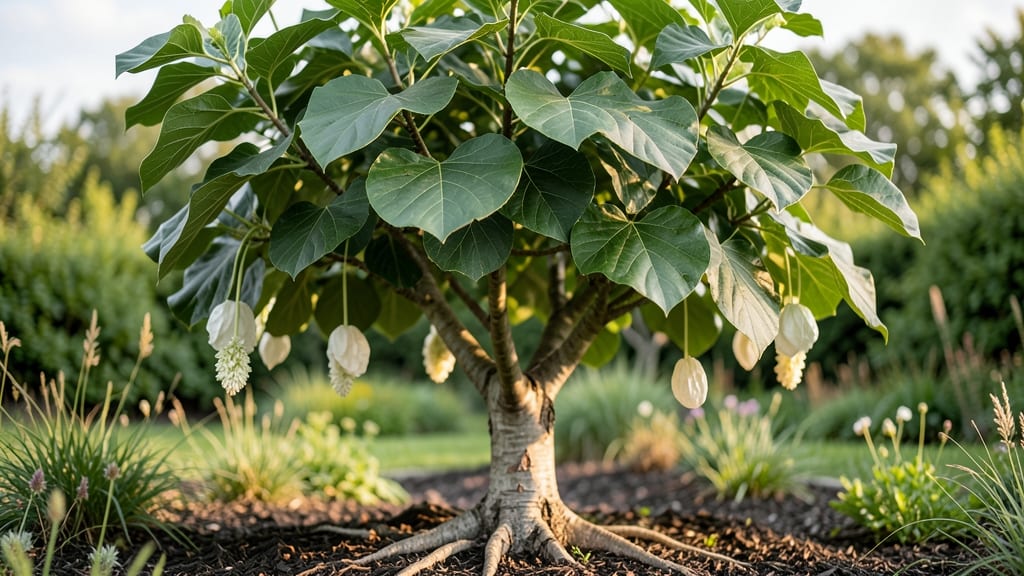
The davidia involucrata leaf is the signature feature of the handkerchief tree 🌿, but those iconic, handkerchief-shaped leaves also tell a story about your tree’s health.
Picture this: You’ve spent years nurturing your davidia involucrata, and now those once-lush leaves are turning yellow, spotted, or wilting—before you know it, the problem spreads.
The good news? Most issues show up first on the leaves, giving you a head start to fix them before they damage the whole tree.
From fungal spots to nutrient deficiencies, I’ll walk you through the 5 most common leaf problems, what they look like, and how to stop them in their tracks. No guesswork—just clear, actionable steps to keep your handkerchief tree thriving.
By the end, you’ll know exactly what to watch for, when to prune, and how to adjust care so your tree stays healthy year-round—no more mystery leaf drama.
5 Most common Davidia Involucrata Leaf Problems and Their Telltale Signs
The handkerchief tree (Davidia involucrata) dazzles with its iconic handkerchief-like bracts, but its leaves reveal early warnings when something’s amiss. These five common leaf problems often start subtly—yellowing, spotting, or curling—before becoming full-blown crises. Catching them early means healthier foliage and fewer headaches for you.
I’ve seen fungal infections, nutrient deficiencies, and environmental stress turn once-lush leaves into sad, wilted messes. The good news? Each issue has distinct visual red flags that help you diagnose and act fast.
Let’s break down the telltale signs so you can save your tree before it’s too late.
Fungal leaf spot often appears as dark brown or black spots with yellow halos. These spots start small but multiply rapidly, especially in humid conditions. If ignored, they can cause premature leaf drop and weaken the tree’s overall health.
Powdery mildew leaves a white, powdery coating on leaves, often on the upper leaf surface. Unlike other issues, mildew thrives in poor air circulation and can spread quickly if humidity stays high. Check the undersides of leaves first—they’re prime real estate for this fungus.
Bacterial blight is one of the trickiest because it starts with water-soaked spots that turn yellow or brown. These spots often have a ragged edge and may ooze when wet. Unlike fungal issues, bacterial blight spreads via rain splashes or contaminated tools, so sterilizing pruners is a must.
Don’t overlook nutrient deficiencies, which often mimic other problems. Yellowing between veins (chlorosis) usually signals iron or magnesium deficiency, while purple stems or reddish leaves often mean phosphorus deficiency. Soil tests are your best friend here—don’t guess!
Environmental stress from drought, heat waves, or windburn can also take a toll. Look for crispy leaf edges, scorched patches, or premature leaf drop. These issues are often reversible with proper care, but they require quick action to prevent long-term damage.
Now that you know the visual red flags, the next step is acting fast. For fungal issues, prune infected leaves immediately and improve air circulation. Nutrient deficiencies often need soil amendments—like iron chelates for chlorosis—applied directly to the root zone.
And for environmental stress, mulching and consistent watering can work wonders.
I’ve had my share of handkerchief tree leaf disasters, but catching these issues early has saved my trees every time. The key is regular inspections—especially after rain or during heatwaves. Your tree’s leaves are talking to you; all you have to do is listen.
Need help diagnosing? Snap a photo of the affected leaves and compare it to the symptoms above. If in doubt, a soil test or consultation with a local arborist can provide clarity. Your Davidia involucrata’s health depends on it! 🌿
Step-by-step fixes for each Davidia Involucrata Leaf Issue
When your Davidia involucrata leaves show signs of distress, quick action prevents permanent damage. For fungal leaf spot, start by removing infected leaves immediately—drop them in a sealed bag, not your compost.
Then, apply a copper fungicide like Bordeaux mixture every 7-10 days until new growth appears. This stops the spread while your tree recovers its natural defenses.
If powdery mildew coats your leaves with a white, chalky film, prune affected branches 6 inches below the mildew line to improve airflow. Follow up with a neem oil spray (1 teaspoon per quart of water) applied in the early morning to avoid burning leaves.
Repeat weekly until symptoms vanish, usually within 3-4 weeks.
For nutrient deficiencies, yellowing leaves often signal iron or magnesium shortages. Test your soil and amend with chelated iron or Epsom salt (1 tablespoon per gallon of water). Water deeply to ensure roots absorb these amendments.
If leaves curl or develop brown edges, your tree may need potassium—apply a balanced fertilizer like 10-10-10 in early spring.
Environmental stress, like wilting or scorched leaves, often stems from overwatering or afternoon sun exposure. Move your tree to a partial shade location (4-6 hours of filtered sunlight) and adjust your watering schedule to deep soaks every 7-10 days.
Mulch the base with 2-3 inches of organic mulch to retain moisture and regulate soil temperature.
If your Davidia involucrata shows sudden leaf drop, oozing cankers, or severe fungal spread despite treatment, consult a certified arborist. Advanced issues like bacterial blight or root rot may require professional pruning or systemic fungicides beyond home remedies. Early intervention saves your tree!
For bacterial blight, which causes blackened, crinkled leaves, prune infected branches with sterilized shears and dispose of them in the trash. Avoid overhead watering to prevent bacterial spread.
Apply a copper-based bactericide every 2 weeks during wet seasons. If blight persists, your tree may need systemic antibiotics, which an arborist can administer.
To prevent future issues, sanitize pruning tools with rubbing alcohol between cuts, and avoid overhead irrigation. Monitor your tree’s water needs and soil health year-round. With consistent care, your Davidia involucrata will reward you with lush, handkerchief-like foliage for decades.