
Leaf Blower
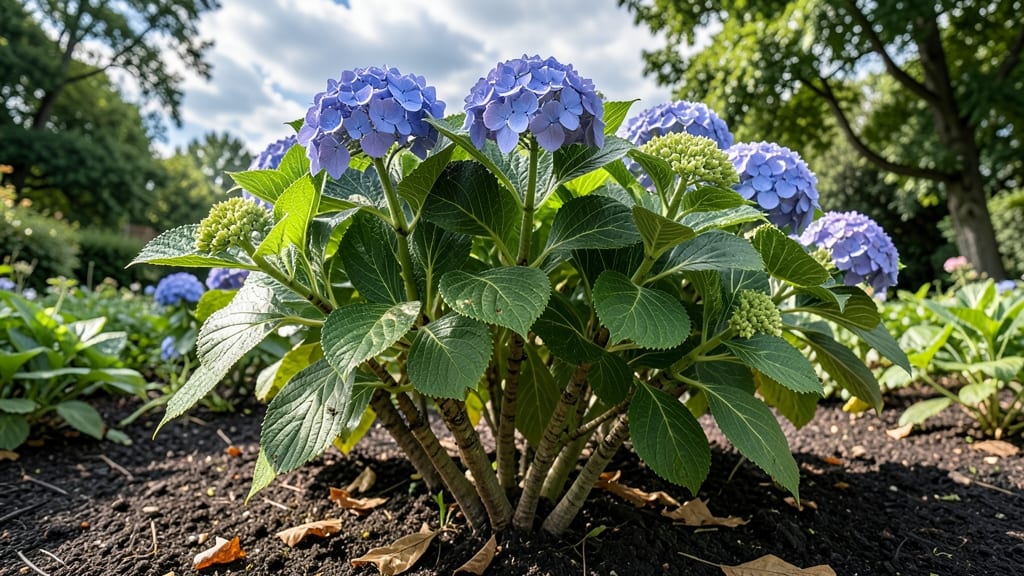
Big leaf hydrangeas grow on old wood, forming blooms on last year's stems rather than new growth. Prune mature plants immediately after flowering to protect next year's flower buds while removing dead or overcrowded branches.
This unique growth habit means blooms appear on stems that developed the previous season, not fresh spring growth. 🌸 The buds actually form in late summer or fall, then overwinter before blooming in spring—a process called monopodial growth.
Unlike reblooming varieties, big leaf hydrangeas rely entirely on these old stems, so proper pruning timing is critical to avoid cutting off next year's flowers. I've seen gardeners accidentally prune too late or too aggressively, which can leave plants with sparse or no blooms the following season.
Understanding this growth pattern helps you time pruning perfectly—typically right after the flowers fade in late summer. This ensures you're not removing stems that will produce next year's blooms.
The key is to focus on deadheading spent flowers and thinning out crowded branches while preserving the previous year's stems that carry dormant buds.
💡 In This Article
- How Big Leaf Hydrangeas Bloom on Old Wood
- Pruning Big Leaf Hydrangeas for Maximum Blooms
How big leaf hydrangeas bloom on old wood
The botanical magic behind big leaf hydrangeas lies in their monopodial growth habit, where flower buds develop on last year's wood rather than new spring growth. These buds actually form in late summer or early fall—around August to September—on the previous season's stems.
The buds remain dormant through winter, protected by the plant's natural insulation, then burst into bloom in spring when temperatures rise above 50°F consistently.
This process differs dramatically from reblooming varieties like Endless Summer, which produce flowers on both old and new wood. Big leaf hydrangeas rely entirely on those old stems—cutting them back removes next year's blooms.
The buds form at specific nodes along the stems, typically within 12-18 inches from the base.
Each stem can carry multiple buds, with larger stems often producing 3-5 flower clusters per season. 🌿 The plant's energy focuses entirely on developing these buds during late summer, making proper pruning timing absolutely critical.
Dormancy plays a crucial role in this cycle. During winter, the buds enter a state of suspended growth where metabolic activity slows dramatically—sometimes by 90% or more—to survive freezing temperatures. The plant's natural antifreeze proteins help prevent cellular damage, allowing buds to remain viable even in -10°F conditions.
This dormancy period is what gives big leaf hydrangeas their reliable blooming pattern each spring, assuming the previous year's stems were preserved.
What most gardeners don't realize is that these old stems aren't just supporting flowers—they're also the plant's primary structural framework. The woody stems contain vascular tissues that transport water and nutrients to both the buds and leaves.
When you prune correctly, you're not just shaping the plant—you're maintaining this crucial transport system. The ideal pruning window is immediately after flowering when you can clearly identify which stems have produced blooms (and thus contain viable buds) versus dead or weak growth.
Consider this growth pattern when planning your garden layout. Big leaf hydrangeas thrive when planted in partial shade (3-6 hours of sunlight) where they receive morning sun and afternoon shade.
The old stems benefit from this light exposure during their bud-forming period in late summer, while protecting them from harsh afternoon sun that could stress the plant. The leaf size—typically 4-8 inches wide—helps create that lush, tropical appearance while providing shade for the developing buds.
The color of the blooms you'll see next spring actually begins developing during this bud formation stage. The pH of your soil—whether it's acidic (5.0-5.5) for blues or neutral/alkaline (6.0-7.0) for pinks—starts influencing the flower pigmentation as early as late summer.
This means your pruning decisions now directly impact not just the quantity but also the potential color palette of next year's blooms. 🌸