
Pests and Diseases
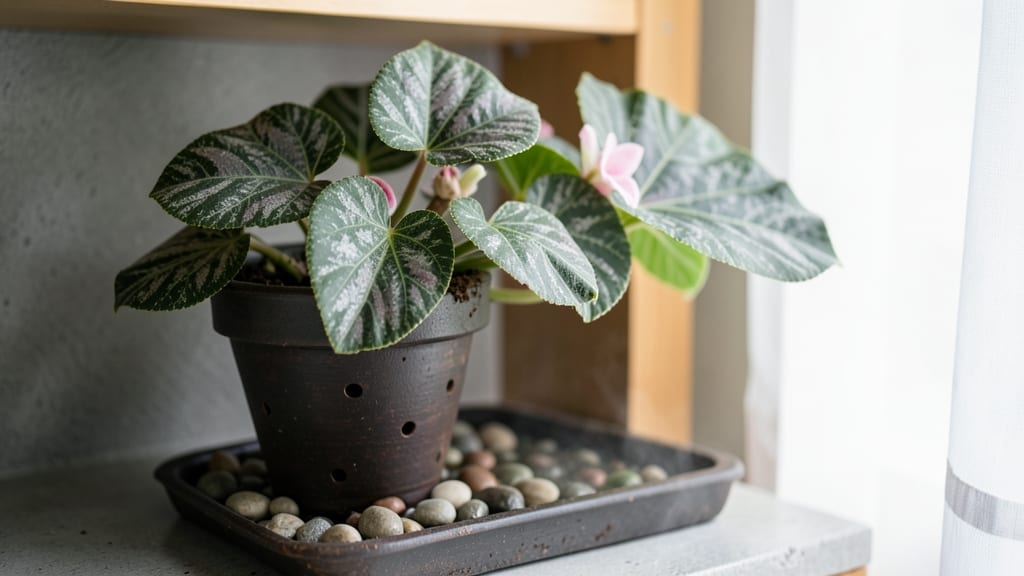
Dragon leaf begonia care thrives with the right balance of light and moisture—no greenhouse required. ✨ I’ve grown these velvety beauties for years, and the secret to their year-round lushness lies in mimicking their tropical roots without the complexity.
These plants reward patience with glossy, heart-shaped leaves that stay vibrant for months, even indoors.
The key is bright, indirect light—think east-facing windows or filtered sunlight—and keeping soil consistently moist but never soggy. A simple mix of potting soil with perlite ensures roots breathe while holding enough water.
Most beginners overwater, leading to yellow leaves or root rot, so stick your finger in the soil before watering: if the top inch feels dry, it’s time.
By summer, you’ll notice new leaves emerging with striking silver or burgundy accents, depending on the variety. Prune leggy stems in spring to encourage bushier growth, and propagate those cuttings in water for free plants.
The best part? These begonias handle indoor air just fine, making them perfect for offices or sunrooms.
Outdoor gardeners can enjoy them in shady garden beds during warm months, but bring them inside before frost. Watch for pests like spider mites—wipe leaves with damp cloths to keep them thriving. With these simple steps, your dragon leaf begonia will stay lush, healthy, and showstopping all year.
📚 In This Guide
- What you need
- Instructions
- Tips and common mistakes
- Wrapping up and next steps
What you need
- ● Pot: 1 well-draining container (6–8 inches in diameter) with drainage holes. Pro tip: 💡 Use terracotta for better airflow!
- ● Potting Mix: 1 bag (1–2 quarts) of well-draining, peat-based mix (or add perlite/pumice for aeration). Spec: Avoid heavy garden soil!
- ● Watering Can: 1 with a narrow spout (to avoid overwatering).
- ● Humidity Tray: 1 (or a pebble tray) to maintain moisture levels.
- ● Fertilizer: 1 bottle of balanced liquid fertilizer (10-10-10 or 20-20-20, diluted to half-strength).
- ● Scissors/Pruners: 1 pair (sterilized with rubbing alcohol).
- ● Spray Bottle: 1 (for misting leaves).
- ● Grow Lights: 1–2 LED bulbs (if indoors, near a window).
- ● Moss Poles: 1–2 (for support if stems grow leggy).
- ● Fungicide: 1 bottle (preventative measure for pests/diseases).
- ● Garden Gloves: 1 pair (to protect hands from sap).
- ● Plant Stakes: 1–2 (for stability if needed).
How to keep your dragon leaf begonia thriving year-round
Here's my go-to care routine for keeping these gorgeous plants lush and happy with minimal effort.
🌿 Step 1: Choose the Perfect Light Spot
Dragon leaf begonias love bright, indirect light—think east-facing windows or 6-8 feet from a south window. Direct midday sun will scorch those stunning leaves, so avoid west or south exposures unless you filter the light with sheer curtains. You'll know you've got it right when the foliage stays deep green with no brown edges.
If your plant starts looking pale or the leaves stretch toward the light, it needs more brightness. Rotate the pot a quarter turn weekly so all sides grow evenly. I keep mine on a plant stand with a 15-watt LED grow light for 4-6 hours daily during winter when natural light fades.
💧 Step 2: Master the Watering Routine
These plants hate soggy roots but won't survive drought either. Water when the top 1-2 inches of soil feel dry—stick your finger in to check. I water deeply until water runs out the drainage hole, then empty the saucer immediately to prevent root rot. Overwatering is the #1 killer, so when in doubt, wait another day.
Use room-temperature water to avoid shocking the roots. I like to water in the morning so any excess can evaporate during the day. The leaves will tell you if you're overdoing it—yellowing lower leaves or mushy stems mean you're watering too much. Underwatering causes crispy edges, so find that sweet spot where the soil stays consistently moist but not wet.
☀️ Step 3: Maintain Ideal Temperature and Humidity
Dragon leaf begonias thrive in 65-75°F temperatures—keep them away from drafty windows, AC vents, or heaters. They'll tolerate a few degrees cooler at night but won't bounce back from cold drafts. If your home runs dry, boost humidity by placing the pot on a tray of pebbles with water (keep the pot above the water line).
Mist the leaves occasionally, but don't make it a daily habit—too much moisture on the foliage encourages fungal issues. You'll notice the plant's health improve when new leaves emerge with their signature deep green color and slight waxy sheen. In winter, a small humidifier near the plant works wonders for preventing brown leaf tips.
✂️ Step 4: Prune and Encourage Bushy Growth
Pinch back the tips of leggy stems when they reach 4-6 inches to encourage bushier growth. Use clean scissors and make cuts just above a leaf node. I do this every 2-3 months to keep the plant compact and full. Remove any yellow or damaged leaves immediately—they drain energy and attract pests.
Propagate cuttings by placing stem tips in water with a few leaves. Roots will form in 2-3 weeks, and you'll have new plants ready to pot up. This is how I keep my collection growing without spending money. Just be patient—some cuttings take longer to root, especially in cooler conditions.
🪴 Step 5: Fertilize for Vibrant Foliage
Feed with a balanced liquid fertilizer (10-10-10) every 4-6 weeks during spring and summer. Cut back to monthly in fall and stop completely in winter. I always dilute the fertilizer to half-strength—too much can burn the delicate roots. You'll see the difference in leaf color and size within a few weeks of consistent feeding.
For extra lushness, switch to a foliar feed like seaweed extract once a month. This gives the leaves a healthy glow and helps them recover from minor stress. Always water the plant first to prevent fertilizer burn. If you notice slow growth or pale leaves, it's time to feed again—these plants are heavy feeders!
Tips & tricks for perfect dragon leaf begonia care
Here's what nobody tells you—these little tricks make all the difference for keeping your begonia thriving year-round.
Light Spot Strategy: In Step 1, if you notice your begonia stretching toward the light (called "etiolation"), it's begging for more brightness. Move it closer to the window or add that 15-watt LED grow light for those critical 4-6 hours daily during winter. I've seen plants go from sad and leggy to bushy and vibrant just by adding this extra light boost.
Watering Wisdom: The finger test in Step 2 is your best friend—stick your finger in the soil up to your first knuckle. If it feels dry at that depth, it's time to water. I've ruined plants by guessing, but this simple check prevents both overwatering and underwatering. Remember, empty that saucer immediately after watering to avoid root rot.
Temperature and Humidity Hack: Dragon leaf begonias love that 65-75°F range, but they can't handle sudden temperature swings. If you notice crispy brown edges in winter, it's usually low humidity. Place the pot on a tray of pebbles with water (keeping the pot above the water) to create a natural humidifier. This simple trick keeps the air around your plant just right.
Pruning Pro Tip: When you're pinching back those leggy stems in Step 4, don't throw away those cuttings! Place them in water with a few leaves, and you'll have new plants in just 2-3 weeks. I've propagated over a dozen begonias this way—it's free and fun. Just be patient, especially in cooler conditions where rooting takes a little longer.
Pro Tips for Dragon Leaf Begonia Care
- Here's what nobody tells you—these little tricks make all the difference for keeping your begonia thriving year-round.
- Light Spot Strategy: In Step 1, if you notice your begonia stretching toward the light (called "etiolation"), it's begging for more brightness.
- Watering Wisdom: The finger test in Step 2 is your best friend—stick your finger in the soil up to your first knuckle.
Frequently asked questions
Got questions about keeping your Dragon Wing Begonia thriving? You’re not alone! Here are answers to the most common concerns—from pests to pruning—so you can enjoy those stunning, dragon-scale leaves all year.
How often should I water my Dragon Leaf Begonia?
Water when the top 1–2 inches of soil feel dry—usually every 5–7 days, but adjust for humidity and light. Overwatering is the #1 killer! Use well-draining soil and a pot with drainage holes to prevent root rot. Pro tip: Stick your finger in the soil—if it’s damp, wait!
What pests should I watch for, and how do I treat them?
Common culprits include spider mites, aphids, and mealybugs. Start with a neem oil spray or insecticidal soap for mild infestations. For stubborn pests, wipe leaves with a soapy water cloth or introduce ladybugs (nature’s pest control!). Isolate affected plants to stop the spread.
Can I prune my Dragon Leaf Begonia, and when?
Yes! Prune in spring or early summer to encourage bushier growth. Trim yellow or leggy stems just above a leaf node, and propagate cuttings in water or soil. Avoid heavy pruning in fall/winter—this plant prefers to rest. Bonus: Pruned leaves make great starter plants!
Why are my begonia leaves turning yellow or brown?
Yellow leaves often mean overwatering or poor drainage, while brown edges usually signal low humidity or fluoride in tap water. Adjust care by:
- Watering less frequently
- Using distilled or filtered water
- Increasing humidity with a pebble tray or humidifier
Can I grow Dragon Leaf Begonia outdoors, or is it strictly indoor?
It thrives indoors year-round in bright, indirect light (like an east or north-facing window). Outdoors, it’s tender to frost and needs partial shade (think dappled sunlight). In warm climates, grow it as an annual in containers and bring it inside before temps drop below 50°F (10°C).
Still stumped? Drop your question in the comments—we’re happy to help your begonia stay dragon-slayingly lush!
Wrapping up and next steps
Caring for your Dragon Leaf Begonia is all about balancing its love for bright, indirect light and consistent moisture—without overcomplicating things! 🌿 With the right soil, humidity, and occasional pest checks, you’ll enjoy vibrant foliage year-round. Remember, these beauties thrive on attention to detail, not perfection.
Now that you’re armed with the know-how, why not share your green thumb success? Snap a photo of your thriving Dragon Leaf Begonia and tag us—we’d love to see your progress! 📸 For even more plant parenting tips, explore our plant care library next.