
Pests and Diseases
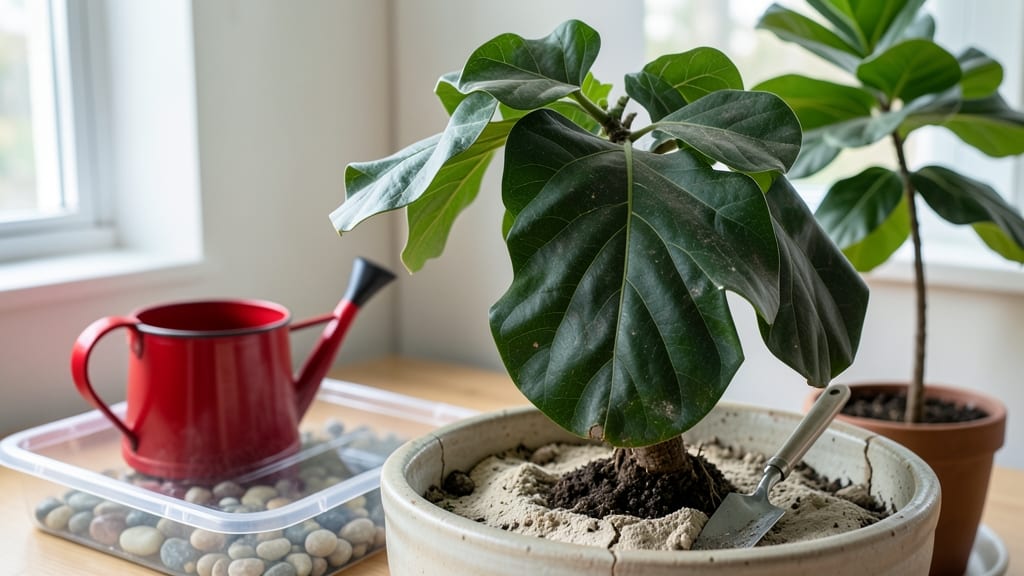
A drooping fiddle leaf fig isn’t always a death sentence—it’s often a cry for help from soggy roots. 🌿 I’ve nursed back more than a few figs from the brink of root rot, and the key is acting fast before the damage spreads. The first sign?
Leaves that droop even after watering, paired with a musty soil smell that gives you pause. The real culprit is usually overwatering, where roots suffocate in compacted, waterlogged soil. Check the roots—if they’re brown, mushy, or smell foul, you’ve got root rot. Healthy roots should be firm and pale tan.
The good news? With the right rescue steps, your plant can bounce back in just a few weeks. Here’s what you’ll do: trim the damaged roots, repot into fresh, well-draining soil, and adjust your watering habits.
Within days, you’ll see new growth pushing through, and those once-sagging leaves will perk up like they’re getting a second chance at life. This works for any fiddle leaf fig, whether it’s a mature plant or a young one.
The secret is patience and consistency—root rot recovery isn’t instant, but it’s absolutely worth the effort.
Root Rot’s Silent Sabotage
When your fiddle leaf fig’s leaves start drooping like a tired party guest, the culprit is often lurking below the soil—root rot. This sneaky disease thrives in conditions that seem perfect for houseplants but are actually toxic to roots.
Understanding why it happens is the first step to saving your plant. Let’s dig into the root of the problem—literally.
Fiddle leaf figs are tropical plants, but they hate soggy roots. Overwatering is the #1 cause of root rot because it drowns the roots, cutting off their oxygen supply. Without oxygen, roots suffocate, turn mushy, and become a buffet for Phytophthora and Pythium fungi—the main root rot villains.
Here’s the science: Roots need aeration to respire (breathe). When soil stays waterlogged, beneficial aerobic bacteria can’t thrive, and anaerobic bacteria take over, producing toxins that weaken the plant. Signs of overwatering:
- 🌱 Yellowing leaves (especially lower ones)
- 💧 Soil that smells like rot or mildew
- 🌿 Leaves that wilt even when the soil is damp
- 🕵️♂️ Roots that turn brown/black and ooze when touched
Pro tip: 💡 Stick your finger 2 inches into the soil—if it’s damp, wait. If it’s bone-dry, you’ve likely underwatered (another stressor!). Aim for top 1–2 inches dry between waterings.
Even if you water just right, lousy drainage turns your pot into a root rot factory. Fiddle leaf figs despise sitting in standing water because their roots cannot tolerate prolonged moisture. Poor drainage often stems from:
| Problem | Why It Causes Rot |
|---|---|
| 🏺 Clay or unglazed pots | Absorb water like a sponge, keeping roots damp for days. |
| 🪴 No drainage holes | Water pools at the bottom, suffocating roots. |
| 🌿 Compacted or clay-heavy soil | Blocks airflow and water movement, trapping moisture. |
| 🪴 Overpotting | Extra soil stays wet longer, creating a fungal paradise. |
Fix it: 🔥 Use terracotta or ceramic pots with holes, mix in perlite or orchid bark (20–30% of the soil), and elevate pots on saucers (not trays filled with water).
Your fiddle leaf fig might be getting too cold or too hot, which weakens its defenses against root rot. Here’s how:
- ❄️ Cold drafts (below 60°F/15°C): Slows root metabolism, making them more susceptible to fungal attacks.
- 🔥 Extreme heat (above 90°F/32°C): Increases evaporation, but if paired with overwatering, roots drown faster.
- 💦 High humidity without airflow: Traps moisture around roots, creating a fungal spa.
Science alert: Fungi like Phytophthora thrive in cool, damp conditions. If your plant is near a drafty window or AC vent, its roots are basically wearing a wet blanket.
Actionable fix: ✨ Keep temps between 65–85°F (18–29°C), avoid cold windowsills, and use a fan for airflow if humidity is high.
Sometimes, root rot isn’t the main act—it’s the sidekick to pests or existing diseases. Here’s how they team up:
- 🐜 Fungus gnats or thrips: Their larvae munch on roots, creating entry points for fungi.
- 🍄 Existing fungal/bacterial infections: Weak roots from stress (like transplant shock) invite rot.
- 🪴 Contaminated soil or tools: Old potting mix or dirty pruners can introduce pathogens.
Red flag: If your plant was recently repotted or stressed, watch for rot within 2–4 weeks—that’s when fungal spores get cozy.
Prevent it: 🎯 Sterilize tools with rubbing alcohol, use fresh well-draining soil, and treat pests before they become a root buffet.
Revive Your Fiddle Leaf Fig Now
Now that you know the root causes behind your fiddle leaf fig’s drooping leaves—whether it’s overwatering, root rot, or environmental stress—it’s time to take action! The good news?
Most cases are reversible with the right care. Below, we’ve broken down practical, step-by-step solutions tailored to each issue, plus pro tips to keep your plant thriving long-term.
If your fiddle leaf fig’s roots are soggy, mushy, or smelling foul, root rot is likely the culprit. Act fast to save it!
🔥 Step 1: Remove the Plant from the Pot
Gently take your fiddle leaf fig out of its container. If the soil is compacted or waterlogged, run water through it to loosen the roots. This helps assess damage before cleaning.
🍳 Step 2: Trim the Damaged Roots
- 🔪 Use sterilized scissors or pruners to cut away any black, mushy, or soft roots—these are dead and spreading rot.
- 👨🍳 Healthy roots should be firm and white or light tan.
- Pro Tip: If more than 30% of the roots are rotted, your plant may struggle to recover.
But don’t give up—even severely affected plants can bounce back with the right care!
🥘 Step 3: Repot in Fresh, Well-Draining Soil 1. 🌱 Choose a clean pot with drainage holes (terracotta is ideal).
- 📊 Use a mix of: - 50% well-draining potting soil (avoid heavy garden soil). - 30% perlite or pumice (for aeration). - 20% orchid bark or coco coir (to prevent compaction).
- ⏰ Let the roots dry slightly before repotting—this reduces shock.
🌡️ Step 4: Adjust Your Watering Habits
- 💡 Wait until the top 1-2 inches of soil are dry before watering again.
- ✨ Water deeply but infrequently—aim for every 1-2 weeks (adjust based on humidity/temperature).
- 🎯 Avoid letting it sit in saucers—empty excess water after 10 minutes.
If your fiddle leaf fig’s droop is due to thirst or low humidity, it’s often a quick fix!
💧 Step 1: Hydrate Properly
- 🍃 Water thoroughly until it drains from the bottom.
- 🌧️ Check soil moisture with your finger—if the top 1 inch is dry, it’s time to water.
- Pro Tip: Mist the leaves 2-3 times a week to boost humidity, especially in dry climates.
🌿 Step 2: Boost Humidity & Airflow
- 💡 Place a pebble tray under the pot (fill a tray with water and pebbles, then set the pot on top).
- 🌬️ Keep it near a fan (gentle airflow prevents fungal issues).
- 🎯 Group plants together to create a mini humid microclimate.
☀️ Step 3: Optimize Light Exposure
- 🔦 Move it to bright, indirect light (east or north-facing windows are best).
- ⚠️ Avoid direct sun**—it burns leaves, causing stress.
- Pro Tip: If your home is dim, supplement with a grow light 12-14 hours a day.
If your fiddle leaf fig is drooping from cold drafts or heat stress, here’s how to fix it:
❄️ Step 1: Protect from Drafts
- 🚪 Keep it away from AC vents, doors, and windows (especially in winter).
- 🌡️ Ideal temps: 65–80°F (18–27°C)—avoid sudden drops below 50°F (10°C).
🔥 Step 2: Shield from Heat Sources
- 🔥 Move it away from radiators, fireplaces, or sunny south-facing windows (use sheer curtains to diffuse light).
- 💡 If using a heater, place a humidifier nearby to combat dry air.
🌿 Step 3: Monitor & Adjust
- 🌡️ Check leaves for crispiness (sign of low humidity) or yellowing (overheating).
- ✨ Rotate the pot weekly so all sides get even light and airflow.
Once your plant is back to its perky self, keep it thriving with these habits: ✅ Water wisely—stick to the "finger test" before watering. ✅ Use the right pot—terracotta or ceramic with drainage holes. ✅ Dust leaves monthly—clean foliage absorbs light better. ✅ Fertilize lightly—use a balanced liquid fertilizer (10-10-10) every 6-8 weeks in spring/summer. ✅ Prune regularly—trim yellow or damaged leaves to encourage new growth.
Remember: Fiddle leaf figs are resilient—with the right care, they’ll bounce back faster than you think! 🌿✨ If your plant still isn’t improving after 2-3 weeks, it may need a soil nutrient boost (like worm castings) or a closer look at pests (like spider mites).
But for now, follow these steps, and you’ll have a lush, upright fiddle leaf fig in no time!
Frequently asked questions about drooping fiddle leaf figs
Why does my fiddle leaf fig droop even after watering?
Drooping after watering usually means root rot or overwatering stress. Check the roots—if they're mushy, black, or smell foul, you've got rot from too much moisture. Healthy roots should be firm and pale. Try the "finger test": if the top 2 inches of soil stay damp for days, cut back on watering.
Can I save a fiddle leaf fig with completely black roots?
It depends on how many roots are affected. If more than 50% are black/mushy, recovery is tough but possible with aggressive treatment: trim all rotten roots, repot in fresh well-draining mix, and avoid watering for 5-7 days to let roots recover. Even severely damaged plants can bounce back with proper care!
How often should I water my fiddle leaf fig to prevent drooping?
Water when the top 1-2 inches of soil are completely dry—typically every 7-14 days depending on humidity. In winter, reduce to every 2-3 weeks. Always use pots with drainage holes and empty saucers after watering to prevent soggy roots.
Will my fiddle leaf fig droop from too much light?
Actually, too little light causes drooping, but direct sunburn can also stress leaves. Look for crispy edges or yellow patches—those mean it's getting too much harsh light. Move to bright, indirect light (like an east-facing window) and rotate the pot weekly for even growth.
How do I know if my drooping is from pests or root rot?
Check the leaves and soil: Pests (like spider mites) cause sticky residue or tiny webs, while root rot shows as mushy roots and foul smells. Gently wiggle the plant—if it pulls out easily, roots are likely rotting. For pests, isolate the plant and treat with neem oil.