
Pests and Diseases
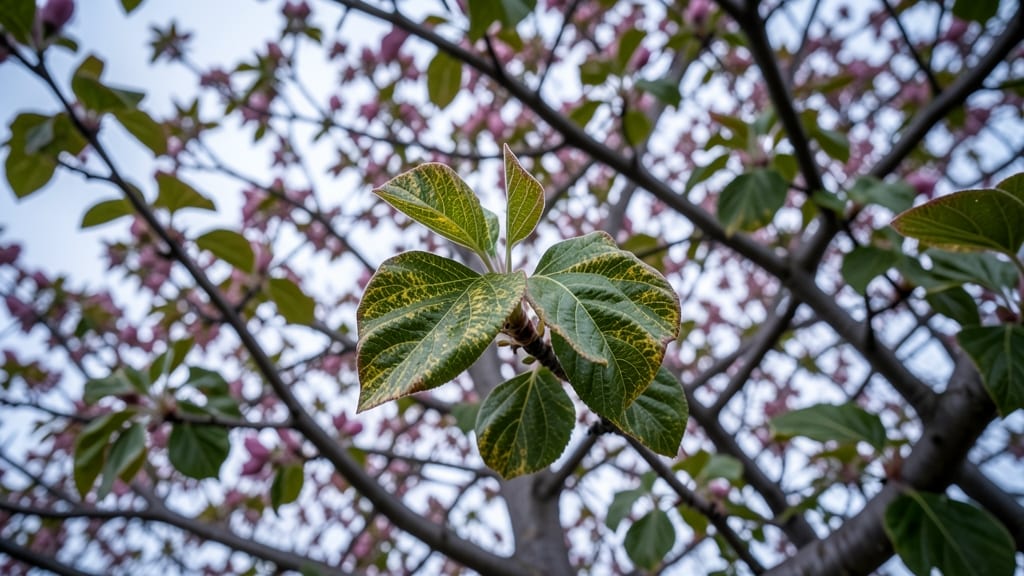
Eastern redbud trees bring vibrant spring color, but leaf problems can signal hidden stress. Learn to identify these 10 common issues early and restore your tree's health using organic, garden-friendly solutions—no chemicals required.
Yellowing Leaves on New Growth
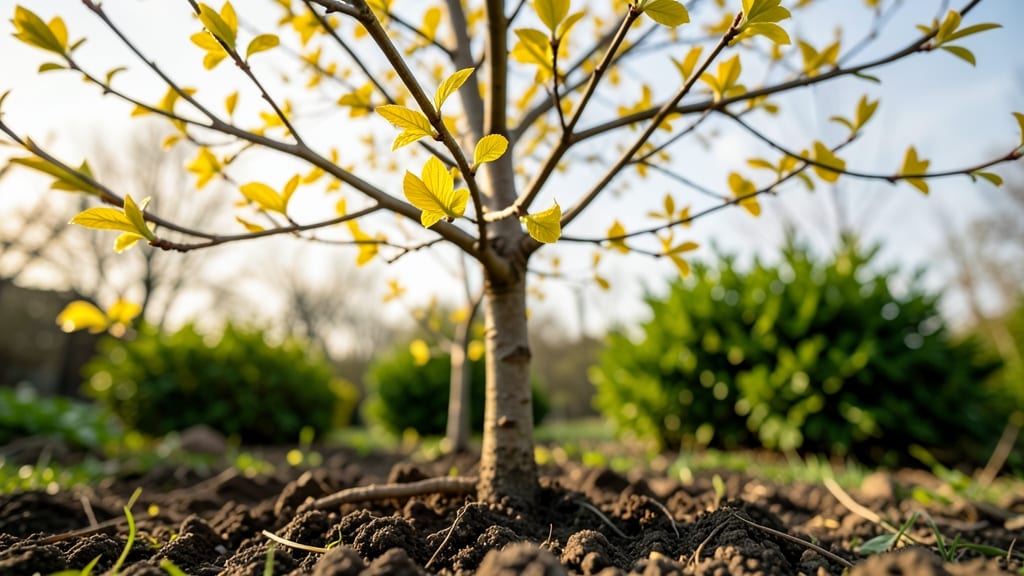
When your eastern redbud sprouts bright yellow leaves instead of the expected spring green, it’s your tree’s first cry for help. This common issue in young trees with shallow root systems often stems from overwatering or nutrient deficiencies—especially nitrogen or iron.
Start by checking soil moisture: redbuds prefer well-draining soil and can’t tolerate soggy roots. Conduct a simple soil test to identify deficiencies, then apply a balanced organic fertilizer (like fish emulsion) or iron chelate for yellowing caused by chlorosis. For waterlogged soil, improve drainage with compost or organic matter.
This early warning sign is easiest to fix when caught quickly—ideal for newly planted redbuds or those in heavy clay soils. Addressing it now prevents long-term stress and keeps your tree thriving. 🌱
Blackened or Crispy Leaf Edges
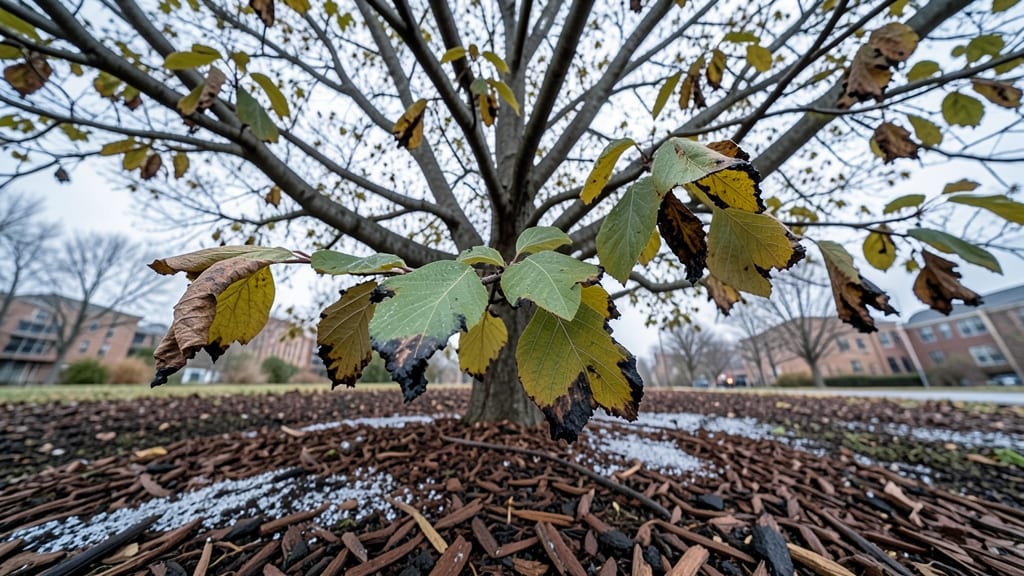
If your eastern redbud leaves look like they’ve been singed by a campfire—blackened or crispy edges—don’t panic. This is often a sign of winter burn or salt damage, especially common in urban areas where road salt lingers in the soil.
To revive your tree, start by applying a thick layer of organic mulch (3-4 inches) around the base to insulate roots and retain moisture. Amend the soil with compost or a gypsum-based amendment to flush out excess salt buildup. Water deeply once a week to help leach out any lingering salts.
Urban gardeners and those with roadside plantings will see the most improvement with these steps. With proper protection, your redbud can bounce back and produce those stunning pink blooms next spring. 💚
Holes and Chewed Leaves from Insects
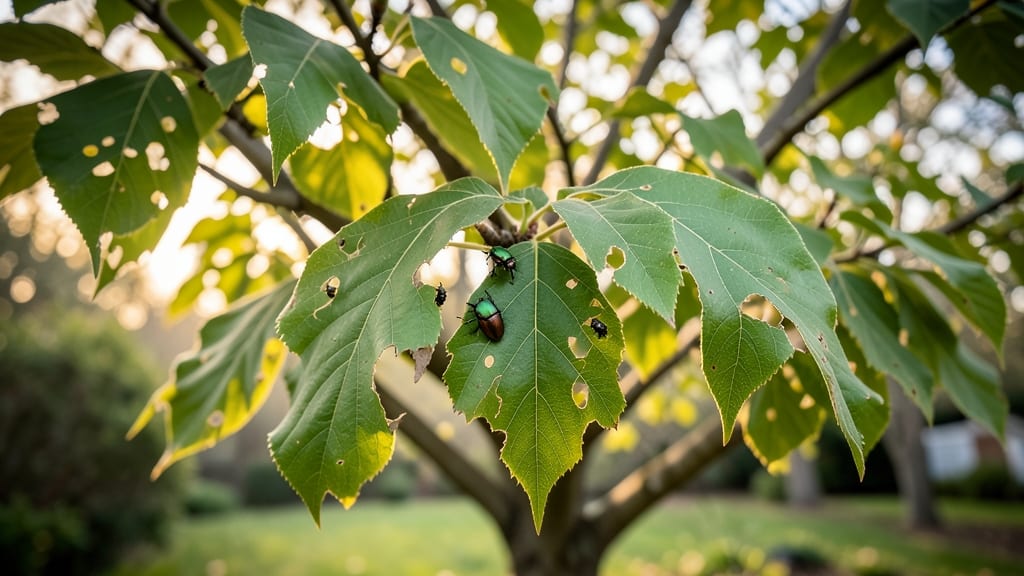
When your eastern redbud leaves start looking like Swiss cheese, you’re likely dealing with Japanese beetles or voracious caterpillars. These pests target redbuds specifically during late spring and summer, turning lush foliage into a buffet of holes and jagged edges.
Instead of reaching for chemical pesticides, try neem oil (applied at dusk) or introduce beneficial insects like ladybugs and lacewings, which prey on beetle larvae without harming pollinators. For severe infestations, handpick beetles into soapy water—this method is effective and eco-friendly while keeping your garden thriving. 🌱
Powdery White Fungus on Leaf Surfaces
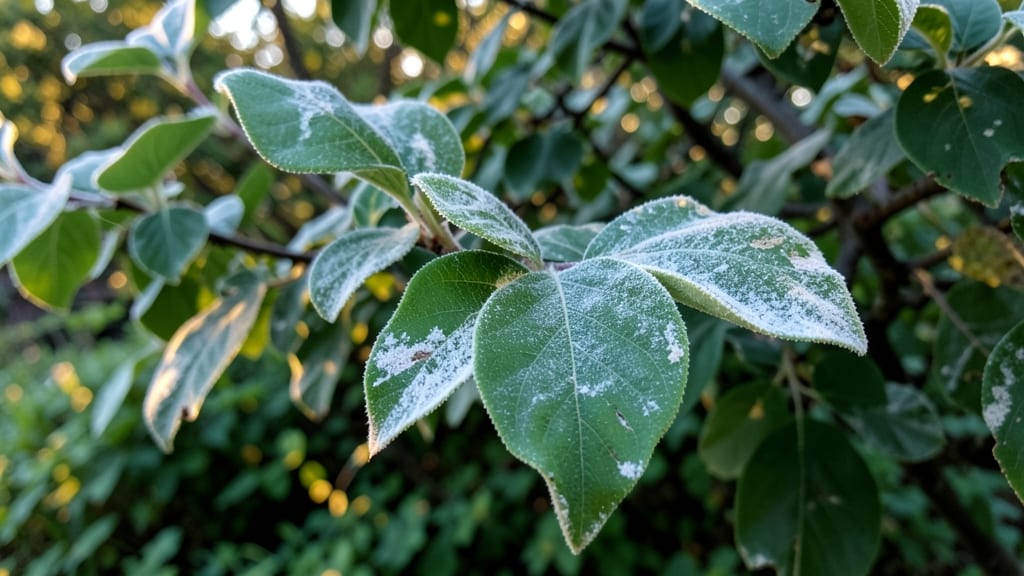
That white, powdery coating on your eastern redbud leaves isn’t just unsightly—it’s a fungal infection called powdery mildew that thrives in humid, shaded conditions. Left unchecked, it weakens your tree by blocking sunlight and reducing photosynthesis, so early action is key.
Start by improving airflow around the tree with strategic pruning to open up the canopy. Then, apply an organic sulfur spray (like liquid sulfur or potassium bicarbonate) or a copper fungicide every 7–10 days until the mildew clears. For prevention, water at the base in the morning and avoid overhead sprinkling to keep leaves dry.
This problem is especially common in densely planted gardens or urban areas with limited airflow. With consistent care, your redbud’s leaves will regain their vibrant green color and shine. 🌟
Wilting Leaves Despite Adequate Water
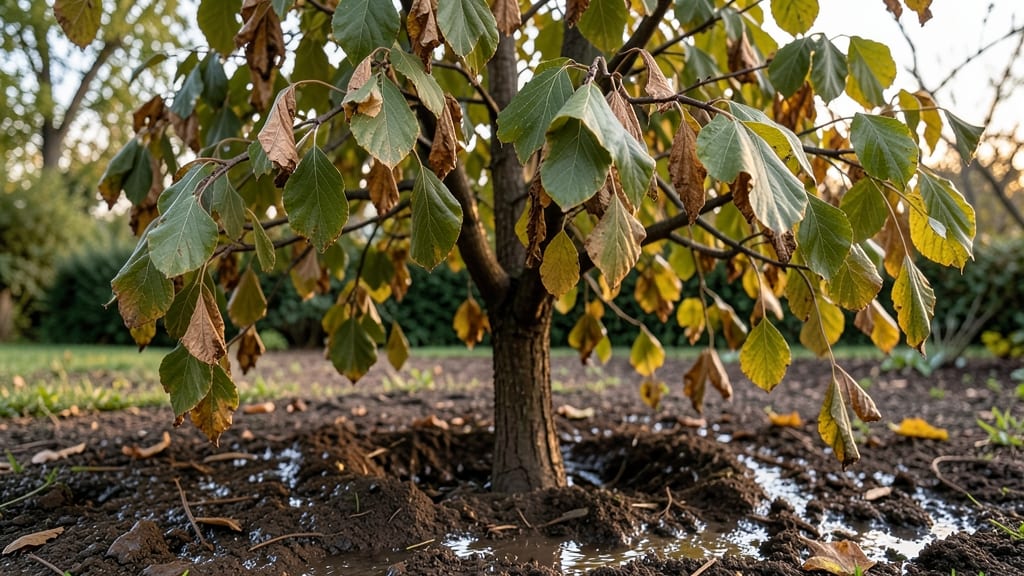
Seeing your eastern redbud leaves wilt even when the soil feels moist? This isn’t just thirst—it’s often a cry for help from roots struggling with root rot or compacted soil. Unlike wilting from drought, these issues block water absorption, leaving leaves limp despite adequate moisture.
Start by improving drainage: Amend heavy clay soil with compost or coarse sand to create air pockets. For existing root rot, prune affected roots carefully and repot in fresh, well-draining mix. Mulch with organic matter (like wood chips) to prevent future compaction while keeping roots cool. This approach revives water uptake without harsh chemicals.
Urban gardeners and those with clay-heavy soils will find this fix especially transformative. A healthier root system means your redbud’s signature spring blooms return stronger than ever. 🌱
Brown Spots with Yellow Halos
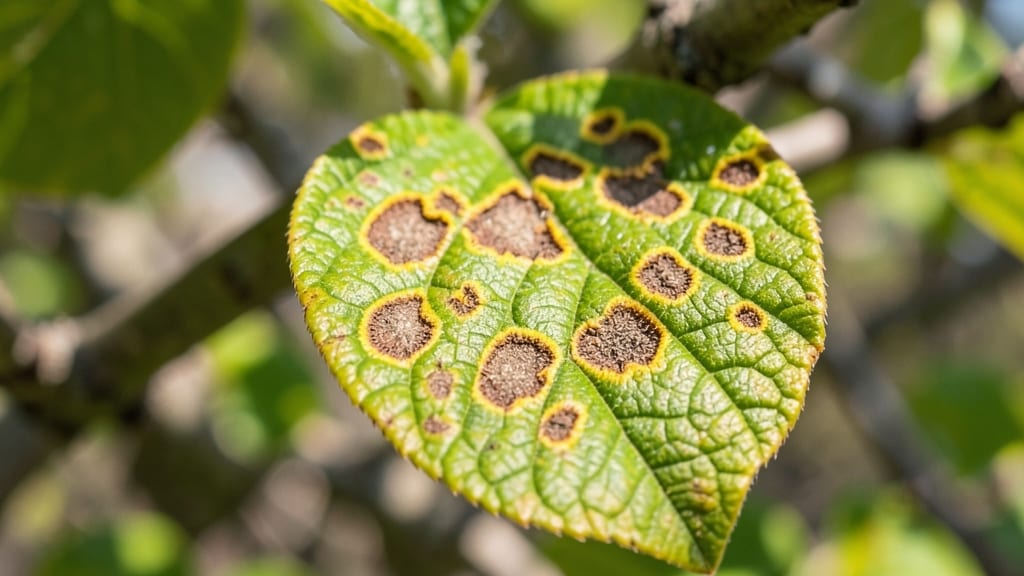
Those brown spots with yellow halos on your eastern redbud leaves aren’t just unsightly—they’re a warning sign of fungal leaf spot diseases, which can defoliate your tree if left unchecked. Unlike powdery mildew or insect damage, these spots spread aggressively in warm, wet conditions, turning vibrant foliage into a patchwork of decay.
Act fast by pruning infected leaves immediately—sterilize your tools with rubbing alcohol to prevent spreading spores. Follow up with a copper-based fungicide spray (like copper sulfate or copper fungicide) every 7–10 days until new growth appears. Improve airflow around the tree by thinning dense branches, and avoid overhead watering to keep leaves dry.
This issue is especially critical for young trees or those in humid climates, where fungal spores thrive. With early intervention, your redbud can bounce back and maintain its stunning spring display next year. 🌱
Premature Leaf Drop in Spring
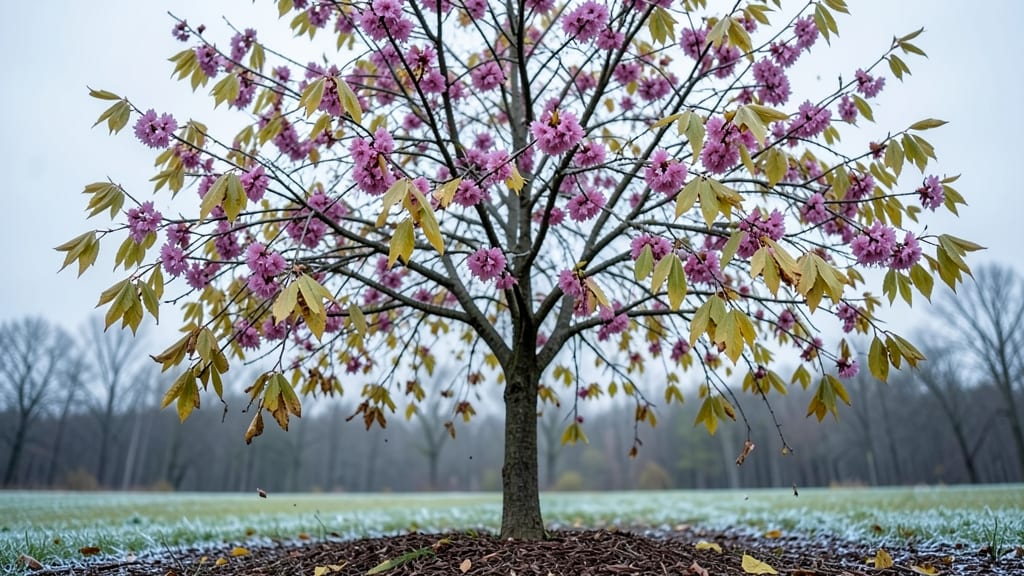
When your eastern redbud sheds leaves just as spring blooms appear, it’s often a cry for help—not from pests or disease, but from environmental stress. Late frosts or sudden temperature swings after dormancy can shock the tree, causing premature leaf drop before it even gets to enjoy its famous pink flowers.
To protect your tree, focus on mulching (3-4 inches of organic mulch) to insulate roots from temperature swings and retain moisture. If transplanting, acclimate gradually over 1-2 weeks by exposing the tree to outdoor conditions for increasing durations each day. Avoid fertilizing in early spring, as new growth is more vulnerable to frost damage. These steps help the tree rebound and often encourage a second round of blooms later in the season.
This issue is especially common with newly planted redbuds or those in microclimates where frost lingers. With the right care, your tree can bounce back stronger and put on a full spring show. 🌱
Stunted New Growth with Reddish Stems
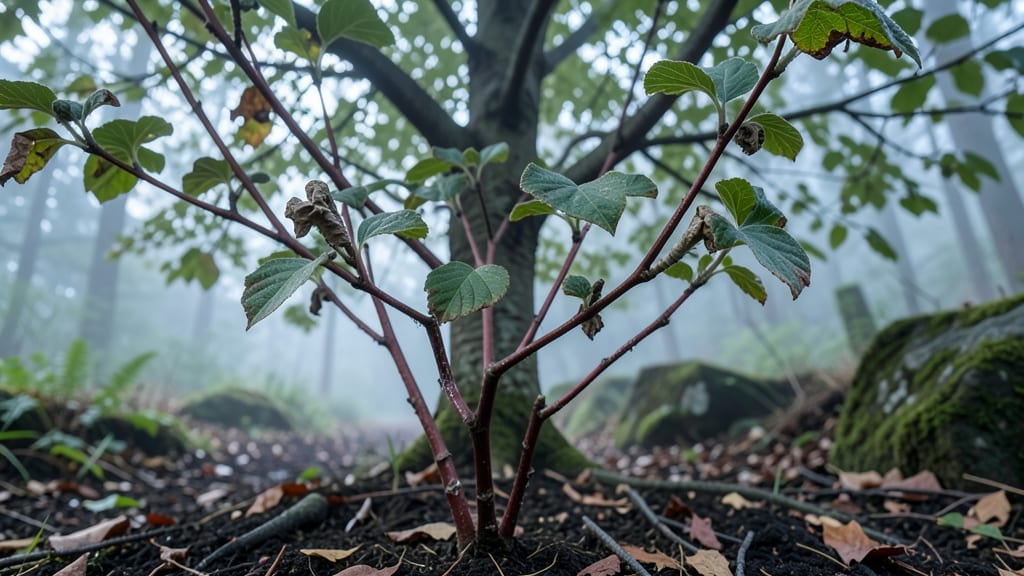
When your eastern redbud’s new growth appears stunted with reddish stems, it’s often a red flag for viral or bacterial infections lurking beneath the surface. Unlike nutrient deficiencies or environmental stress, these pathogens can weaken your tree over time if left unchecked.
Start by pruning infected branches 6–12 inches below the discolored area using sterilized tools (rubbing alcohol or a bleach solution works). Bag and dispose of the clippings immediately to prevent spread. For bacterial issues, copper-based sprays can help, while viral infections may require removing the entire tree to stop contamination.
This issue is critical for urban gardeners or those with multiple redbuds nearby, as infections spread easily through pruning tools or sap. Act fast to save your tree—and your neighbors’! 💚
Leaf Curling and Distortion
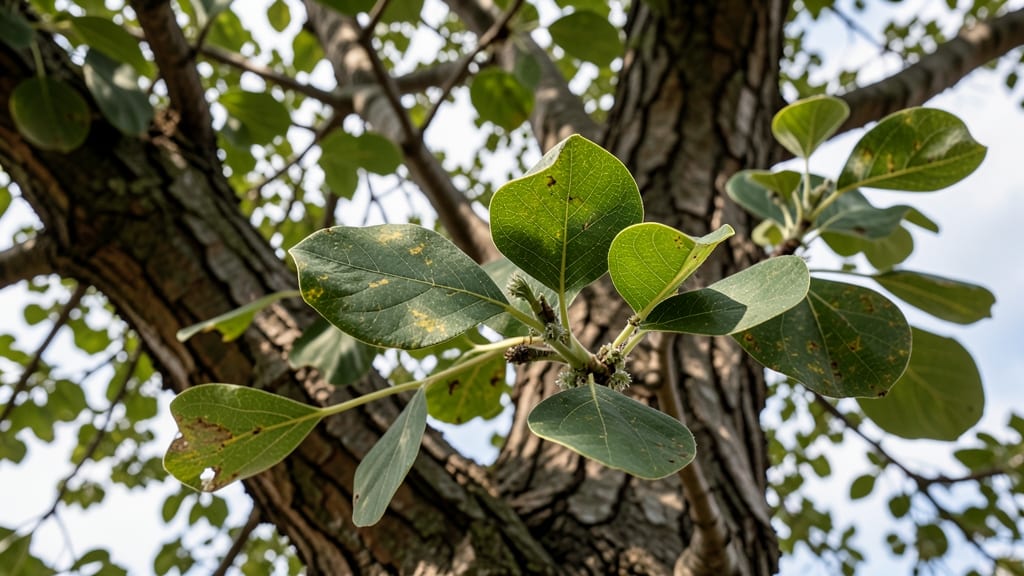
When your eastern redbud leaves start curling inward like tiny boats, it’s rarely just a quirk of nature—aphids or viral infections are usually the culprits. These pests and pathogens distort leaf structure by feeding on sap or disrupting cell growth, leaving you with misshapen foliage that can’t photosynthesize properly.
Start by inspecting the undersides of leaves for aphids or sticky residue (aphid honeydew). Apply organic insecticidal soap (like neem or horticultural oil) every 5-7 days until the pests disappear. For viral infections, prune and destroy infected branches immediately—sterilize your tools with 70% isopropyl alcohol to prevent spreading. Healthy leaves often regenerate within weeks once the source is removed.
This issue is especially frustrating for urban gardeners with limited space, as curled leaves detract from the tree’s signature spring beauty. Catching it early makes all the difference for recovery. 💚
Mosaic Patterning on Leaves

Those striking mosaic patterns on your eastern redbud leaves aren’t just a quirky design—they’re a red flag for viral mosaic disease, a permanent condition with no organic cure. Unlike fungal issues or insect damage, this viral infection leaves behind distorted, yellow-green marbled leaves that stay for the season.
Since there’s no treatment, the only way to protect your garden is prevention: immediately remove and destroy infected trees (don’t compost them), sterilize pruning tools with 70% rubbing alcohol, and avoid sharing tools between trees. This disease spreads through sap-sucking insects like aphids, so keeping your redbuds healthy with proper watering and organic pest control reduces risk.
This issue is especially critical for gardeners with multiple trees—once established, mosaic disease can’t be reversed, but early removal stops it from spreading to your prized eastern redbuds or nearby ornamentals. 💚