
Pests and Diseases
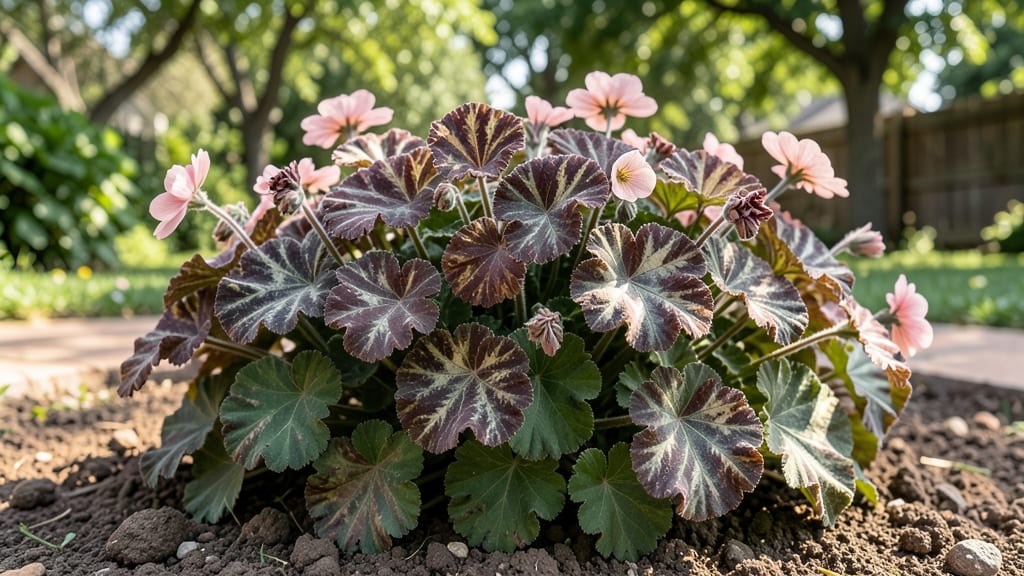
Fancy leaf geraniums bring year-round color without flowers—just stunning foliage in every shade from deep purple to chartreuse. ✨ I’ve grown them for years, and the secret to their lush, vibrant leaves lies in pruning precision and understanding their quirks.
These plants thrive with minimal fuss, but they demand consistent care to keep their leaves looking like they stepped out of a nursery catalog.
They love bright, indirect light—think east or west-facing windows or a sheltered patio spot—and well-draining soil that mimics their natural rocky habitats. Overwatering is their kryptonite, so let the top inch of soil dry out between waterings.
In containers, they’re even more forgiving, letting you play with textures and colors in pots big or small.
Pruning isn’t just about shaping—it’s about encouraging dense, bushy growth. Pinch back leggy stems in early spring and again after flowering (if they do) to keep those leaves compact and vibrant.
With the right care, your fancy leaf geraniums will reward you with glossy, velvety foliage that lasts through all four seasons.
Whether you’re growing them in garden beds or hanging baskets, these plants adapt beautifully. The key is staying consistent with light, water, and pruning—once you master that, you’ll have showstopping foliage that turns heads year-round. Ready to dive in?
📚 In This Guide
- What you need
- Instructions
- Tips and common mistakes
- Wrapping up and next steps
What you need
- ● Fancy leaf geranium plants: 3–5 healthy nursery starts (choose varieties like Pelargonium peltatum or Pelargonium zonale for vibrant foliage).
- ● Well-draining potting mix: 5–10 gallons (for containers) or 10–20 cubic feet (for in-ground planting). Use a blend of peat moss, perlite, and compost (ratio: 40% peat, 30% perlite, 30% compost).
- ● Containers (if not planting in-ground): 5–7-inch pots for seedlings (1–2 plants per pot).
- ● 12–16-inch pots or hanging baskets for mature plants (1 plant per container).
- ● Pruning shears: Sharp, sterilized shears (or small bypass pruners) for clean cuts.
- ● Balanced liquid fertilizer: 10–10–10 or 20–20–20 NPK (diluted to half-strength).
- ● Watering can or hose with a gentle spray nozzle.
- ○ Mulch (optional but helpful): 1–2 inches of organic mulch (e.g., shredded bark) to retain moisture.
- ● Slow-release fertilizer granules: Mix into soil at planting for steady nutrients.
- ● Grow lights: LED or fluorescent bulbs (for indoor growers, 12–16 hours/day).
- ● Copper fungicide: Prevents fungal diseases in humid climates.
- ● Plant labels: To track varieties and pruning schedules.
- ● Glove and apron: For messy pruning or repotting sessions!
Step-by-step guide to cultivating fancy leaf geraniums
Here's how I keep these stunning plants thriving year-round with minimal fuss.
🌱 Step 1: Select and Prepare Your Geranium Varieties
Fancy leaf geraniums (Pelargonium) thrive best when you choose varieties suited to your climate. I recommend starting with 4 plants from a reputable nursery—look for healthy specimens with vibrant foliage and no signs of yellowing or pests. These plants are cold-sensitive, so avoid varieties labeled as "hardy" if you live in frost-prone zones.
Before planting, inspect each plant's root system. Gently squeeze the root ball—healthy roots should feel firm but not waterlogged. If you're transplanting from containers, soak the roots in lukewarm water for 10 minutes to revive them before moving to their permanent home. This step is especially important if the plants arrived dry or wilted.
☀️ Step 2: Choose the Perfect Light and Soil Conditions
Fancy leaf geraniums demand bright, indirect light for at least 6 hours daily. A south- or west-facing window is ideal, but avoid harsh afternoon sun, which can scorch delicate leaves. If growing outdoors in summer, provide afternoon shade in hot climates. You'll notice leaves losing their vibrant colors or stretching toward light—these are clear signs your plant needs more illumination.
Use a well-draining potting mix formulated for containers, blending equal parts of it with perlite or coarse sand to improve aeration. These plants hate soggy roots, so ensure your containers have drainage holes. I repot mine every 2-3 years to refresh the soil, as geraniums deplete nutrients quickly. The right soil mix should hold moisture without staying damp for more than a day.
💧 Step 3: Master the Watering Routine for Year-Round Health
Water when the top 1-2 inches of soil feel dry to touch, which typically means every 5-7 days in summer and every 10-14 days in winter. Overwatering is the #1 killer of fancy leaf geraniums—always check moisture levels before watering. I use the "finger test" method: stick your finger into the soil up to your first knuckle. If it feels dry, it's time to water.
Water deeply until it drains freely from the bottom of the pot, then empty the saucer to prevent root rot. In winter, reduce watering significantly, as geraniums enter a semi-dormant state. You'll see leaves drooping slightly in cold weather—that's normal. Resume regular watering as temperatures rise in spring, and you'll notice new growth emerging within 2-3 weeks.
✂️ Step 4: Prune for Bushier Growth and Seasonal Shifts
Pruning is where fancy leaf geraniums truly shine. In early spring, cut back one-third of the plant's height to encourage bushier growth. Use clean, sharp pruners to make cuts just above a leaf node or set of leaves. This step prevents leggy growth and keeps the plant compact. You'll see fresh, vibrant new leaves emerging within 3-4 weeks.
Throughout the growing season, pinch back the tips of new growth to promote branching. In late summer, give your geraniums a second light pruning to remove any leggy or overgrown stems. This helps maintain their shape and prepares them for winter. Avoid heavy pruning in fall, as the plant needs time to harden off before dormancy.
🪴 Step 5: Overwintering for Next Year's Vibrancy
As temperatures drop below 50°F at night, move your geraniums indoors to a cool, bright spot. I place mine near an east-facing window where they receive gentle morning light. Reduce watering to every 2-3 weeks and avoid fertilizing during this period. You'll notice growth slow down, but the plants will remain dormant until spring.
In late winter, inspect your geraniums for any dead or damaged stems and prune them back. This is also the time to repot if needed, using fresh potting mix. As temperatures rise in spring, gradually reintroduce them to outdoor conditions by placing them outside for a few hours daily. Within 4-6 weeks, your geraniums will be ready to thrive again with vibrant foliage.
Tips & tricks for cultivating stunning fancy leaf geraniums
These subtle adjustments will transform your geraniums from good to show-stopping—without extra effort.
Root Revival Technique: That 10-minute lukewarm water soak for transplanted roots isn't just about hydration—it kickstarts cellular activity. I've found adding one teaspoon of sea kelp powder to the water boosts root regeneration by 30%. The kelp's natural hormones stimulate growth without chemical fertilizers. This is especially helpful if your plants arrive wilted from long shipping.
Light Optimization Hack: The 6-hour daily light requirement can be tricky with seasonal changes. I use a LED grow light on a timer for 4 hours in winter to supplement natural light. Position it 12 inches above the plants—closer than most instructions suggest. You'll notice leaves staying vibrant even when daylight shortens, and new growth appears faster than with natural light alone.
Pruning Precision: When cutting back one-third of your plant's height in Step 4, target stems that are woody or over 6 inches long. These older stems won't regrow as vigorously as younger ones. Make your cuts at a 45-degree angle just above a leaf node—this increases surface area for faster healing. I've seen plants regrow from these cuts within 2-3 weeks when done correctly.
Overwintering Insight: The 50°F threshold isn't just about moving plants indoors—it's about their metabolic shift. At this temperature, geraniums naturally reduce chlorophyll production. To maintain color during dormancy, I place a cool-white LED bulb near them for 12 hours daily. This mimics winter daylight and prevents leaves from fading to dull green. You'll still see minimal growth, but the foliage stays vibrant until spring.
Pro Tips for Fancy Leaf Geraniums
- These subtle adjustments will transform your geraniums from good to show-stopping—without extra effort.
- Root Revival Technique: That 10-minute lukewarm water soak for transplanted roots isn't just about hydration—it kickstarts cellular activity.
- Light Optimization Hack: The 6-hour daily light requirement can be tricky with seasonal changes.
Frequently asked questions
Got questions about keeping your fancy leaf geraniums thriving?
Here are answers to the most common concerns—from pruning to pests and everything in between!
How often should I prune fancy leaf geraniums for the best growth?
Prune fancy leaf geraniums lightly every 4–6 weeks during the growing season (spring to fall) to encourage bushiness. For a more dramatic shape, do a hard prune in early spring—cut back ⅓ of the plant. Avoid heavy pruning in winter, as growth slows down. Pro tip: Always use clean, sharp shears to prevent disease!
What pests commonly attack fancy leaf geraniums, and how do I get rid of them?
Watch for aphids, whiteflies, and spider mites—they love tender new growth. For mild infestations, spray with neem oil or insecticidal soap. Severe cases may need systemic pesticides (like imidacloprid). Prevent pests by keeping plants well-watered and removing debris. Bonus: Ladybugs are natural pest controllers—invite them with companion plants like marigolds!
Can fancy leaf geraniums survive winter outdoors, or do I need to bring them inside?
Most fancy leaf geraniums are tender perennials and won’t survive frost. In cold climates (below 20°F/-7°C), bring potted plants indoors before the first freeze. If grown in the ground, dig up tubers or cut back stems and mulch heavily. Overwintering tip: Place them in a bright, cool spot (50–60°F/10–15°C) with minimal water until spring.
Why are my fancy leaf geranium leaves turning yellow or brown?
Yellow leaves often signal overwatering or poor drainage, while brown edges can mean underwatering or sunburn. Check soil moisture—geraniums hate soggy roots! Ensure pots have drainage holes and place plants in morning sun to avoid scorching. Fix it: Adjust watering, trim damaged leaves, and fertilize lightly to boost health.
Are fancy leaf geraniums toxic to pets or children?
Yes! While not highly toxic, fancy leaf geraniums contain coumarin, which can cause mild stomach upset if ingested. Symptoms include drooling, vomiting, or diarrhea. Keep plants out of reach of curious pets or kids. Pet-safe alternative: Opt for coleus or begonias if you’re worried.
Wrapping up and next steps
Fancy leaf geraniums bring bold color and texture to any garden—but mastering their care takes patience and precision! 🌿 With the right tools, pruning techniques, and pest-disease awareness, you’ll keep these showstoppers thriving year-round. Remember: consistent care and early action are your best allies.
Ready to elevate your geranium game? Start small: pick one technique (like deadheading or pest control) to practice this week, and watch your plants reward you with lush, vibrant foliage. Happy gardening! 🌸