
Pruning
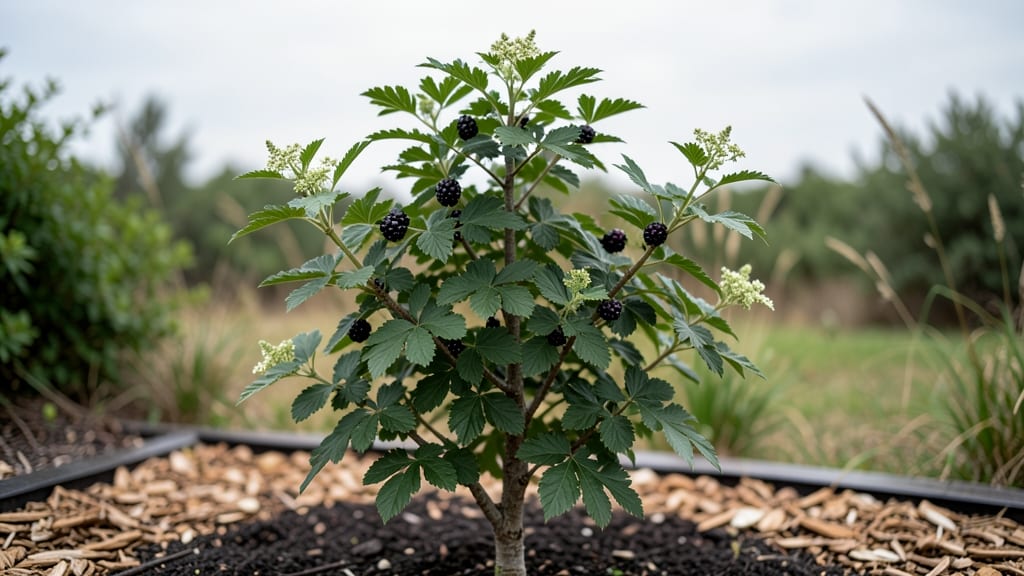
Pruning your fern leaf buckthorn tree (Rhamnus frangula 'Aspleniifolia') keeps those lacy, evergreen leaves looking fresh year-round. ✨ I learned the hard way that skipping pruning leads to leggy branches and sparse foliage—until I found the right timing and technique that transformed my tree into a dense, vibrant shrub.
This tree thrives on light pruning twice a year: once in late winter to shape it and again in summer to encourage bushier growth. The key is cutting back just enough to maintain an open center while keeping the natural fern-like shape intact.
Overgrown branches lose their delicate texture, so pruning isn’t just about looks—it’s about preserving that signature foliage. You’ll notice new growth within 4-6 weeks of pruning, with leaves staying vibrant even in winter.
The tree’s hardiness (zones 5-8) means it handles pruning well, but avoid heavy cuts—this isn’t a hedge, it’s an ornamental treasure. A little attention goes a long way for that year-round greenery. Works for both formal gardens and natural landscapes.
Here’s how to do it right without stressing the plant.
📚 In This Guide
- What you need
- Instructions
- Tips and common mistakes
- Wrapping up and next steps
What you need
- ● Pruning shears: Bypass pruners (sharp, 6-8 inch blades) for small branches (1/4"–3/4" diameter). Pro tip: 💡 Sterilize with rubbing alcohol to prevent disease spread!
- ● Loppers: 1 pair (for branches 3/4"–2" in diameter). Look for ratcheting or bypass styles for precision cuts.
- ● Pruning saw: 1 handheld saw (for thicker branches 2"–4" diameter). A bow saw or pruning saw with a fine-tooth blade works best.
- ● Gloves: Heavy-duty gardening gloves (cut-resistant, like mechanics' gloves) to protect hands from thorns and rough bark.
- ○ Disinfectant: 70% isopropyl alcohol or a pruning sealant (optional but recommended for large cuts).
- ● Ladder or step stool: Sturdy, extendable ladder (if tree exceeds 6 feet tall) or a stable step stool for safety.
- ● Trash bags or bucket: 1-2 large bags or a 5-gallon bucket to collect pruned branches.
- ● Safety gear: Safety glasses (to shield eyes from debris) and ear protection (if using a chainsaw for very thick branches).
- ● Chainsaw: For branches thicker than 4" (if your buckthorn has mature, woody growth). ⚠️ Safety first: Wear chaps and a helmet if using!
- ● Marking twine or tape: To flag branches for removal before cutting.
- ● Pruning paint: For sealing large cuts (1/4" or wider) to prevent disease entry.
- ● Extension pole pruners: For high branches (8–12 feet) to avoid ladder use.
- ● Notebook & pen: To jot down notes on pruning decisions or tree health observations.
Step-by-step pruning guide for fern leaf buckthorn trees
Here’s how to keep your fern leaf buckthorn thriving with clean cuts and strategic shaping.
✂️ Step 1: Prune in Late Winter or Early Spring for Best Results
The ideal time to prune fern leaf buckthorn is just before new growth begins, typically in late February to early March in most climates. This timing ensures you remove dead or weak branches while leaving healthy buds intact for the growing season. Avoid pruning in fall or winter—cold stress can harm the plant.
Look for branches that are dry, brittle, or crossing others—these are your first targets. Use clean, sharp pruning shears to make 45-degree cuts just above a healthy bud or lateral branch. This angle helps water run off and prevents rot. If a branch is larger than 1 inch in diameter, use a pruning saw instead to avoid tearing the bark.
✂️ Step 2: Thin the Canopy to Improve Airflow and Light Penetration
Fern leaf buckthorn can become dense over time, which invites fungal diseases and weakens the plant. Aim to remove 20-30% of the total foliage during each pruning session to maintain an open, airy structure. Focus on inner branches that are shaded by outer growth—these rarely photosynthesize effectively and can become deadwood.
Step back and visually assess the tree’s shape. Remove branches that grow inward or downward, as these create congestion. For a more natural look, prioritize branches that align with the tree’s natural form. Never remove more than one-third of the canopy in a single season—this can stress the plant and reduce flowering.
✂️ Step 3: Shape for Balance and Encourage New Growth
After removing dead or crossing branches, use pruning to refine the tree’s shape. Fern leaf buckthorn responds well to light shaping, so avoid heavy-handed cuts. If the tree has become top-heavy, prune slightly more from the top to restore balance. For a bushier appearance, trim back the tips of some branches to encourage lateral bud growth.
Watch for water sprouts—these are fast-growing, vertical shoots that often appear after heavy pruning. Remove them immediately, as they divert energy from the main structure. Use your fingers or small pruners to pinch them off at the base. This keeps the tree’s energy focused on strong, healthy branches rather than weak, competitive growth.
✂️ Step 4: Clean Up and Sanitize Tools for Disease Prevention
After pruning, never leave cut branches or debris on the ground—this can harbor pests or diseases. Rake up all clippings and dispose of them in a sealed bag or compost pile (if disease-free). For fern leaf buckthorn, which is prone to fungal issues, avoid composting pruned material unless you’re certain it’s healthy.
Sanitize your pruning tools with 70% isopropyl alcohol or a 10% bleach solution before and after use. Wipe down blades thoroughly to prevent spreading pathogens between cuts. Store tools in a dry place to avoid rust, which can dull blades and make cuts less precise. A sharp tool makes cleaner cuts, which heal faster and reduce the risk of infection.
🌿 Step 5: Monitor and Maintain Through the Growing Season
After your initial pruning, keep an eye on the tree throughout the year. Remove any dead branches that appear suddenly—these can signal stress or disease. If you notice yellowing leaves or mushroom-like growths at branch junctions, act quickly to address the issue before it spreads.
Light pruning can continue in early summer to control shape or remove any new water sprouts. Avoid heavy pruning at this time, as it can stimulate late-season growth that won’t harden off before winter. In fall, limit pruning to removing only dead or diseased branches. The tree enters dormancy soon after, and fresh cuts won’t have time to heal properly before cold weather arrives.
Tips & tricks for perfect fern leaf buckthorn pruning
Here's what nobody tells you about keeping your fern leaf buckthorn looking its absolute best year after year.
Timing is Everything: The late February to early March window is non-negotiable for your buckthorn's health. I learned this the hard way after seeing winter-damaged branches when I pruned too early. Check your local frost dates—you want to prune just as buds begin to swell but before they break dormancy. This timing ensures you're removing winter damage while preserving next year's growth potential.
Cutting Technique Matters: That 45-degree angle isn't just for looks—it's a water management system. When you make clean cuts just above a healthy bud, you create a natural barrier that prevents water from pooling and causing rot. For branches thicker than 1 inch, use a pruning saw to avoid tearing the bark, which creates entry points for diseases like fungal infections. I always test my tools first by making a few practice cuts on smaller branches.
Canopy Management Strategy: The 20-30% foliage reduction guideline might seem arbitrary, but it's based on the tree's ability to regenerate. Think of it like giving your buckthorn a spa day—you're removing the congested areas that block airflow and sunlight. I mark my target branches with colored tape first to visualize the final shape before making any cuts. This prevents over-pruning and helps maintain that natural, airy structure.
Tool Sanitation is Critical: That 70% isopropyl alcohol isn't just for show—it's your first line of defense against fungal spread. I keep a small spray bottle of the solution in my gardening toolkit and give my shears a quick wipe between each cut, especially when working with diseased branches. Rusty tools aren't just inefficient; they're dangerous. Store your pruning tools in a dry place with a drop of mineral oil on the blades to maintain their sharpness between uses.
Pro Tips for Fern Leaf Buckthorn Tree
- Here's what nobody tells you about keeping your fern leaf buckthorn looking its absolute best year after year.
- Timing is Everything: The late February to early March window is non-negotiable for your buckthorn's health.
- Cutting Technique Matters: That 45-degree angle isn't just for looks—it's a water management system.
Frequently asked questions
Got questions about keeping your fern leaf buckthorn (Rhamnus frangula 'Aspleniifolia') lush and healthy year-round? Here are answers to common concerns—from pruning timing to troubleshooting—so you can tackle maintenance like a pro!
When is the best time to prune my fern leaf buckthorn?
Prune your fern leaf buckthorn in late winter or early spring (just before new growth starts) for the best results. Light shaping can also be done in summer, but avoid heavy cuts then—it may stress the plant. For year-round foliage, prioritize deadwood removal year-round to keep it tidy!
Can I prune fern leaf buckthorn in winter? What about frost?
Yes! Pruning in dormant winter months (Dec–Feb) is ideal—just avoid extreme frost (below 15°F/-9°C). If your area gets harsh winters, wait until after the last frost to prevent dieback. Pro tip: Wear gloves—its leaves can be prickly!
How much can I trim back my fern leaf buckthorn?
You can safely trim up to 1/3 of the plant’s height per year, but avoid over-pruning. For dense growth, focus on thinning out crowded branches to improve airflow. Warning: Never remove more than 25% in one season—it may struggle to recover!
Why are my leaves turning yellow or brown?
Yellowing leaves often signal overwatering or poor drainage. Brown edges? Likely underwatering or salt buildup (if near roads). Check soil moisture and adjust watering—fern leaf buckthorn prefers well-draining soil. Pests like spider mites can also cause browning; spray with water or neem oil if needed.
What are good alternatives if my fern leaf buckthorn isn’t thriving?
If your buckthorn struggles with your climate or soil, try these low-maintenance evergreens:
- Dwarf holly (Ilex 'Blue Princess') – Disease-resistant, glossy leaves.
- Inkberry holly (Ilex glabra) – Thrives in wet soils, great for hedges.
- Emerald Green arborvitae – Fast-growing, deer-resistant.
Wrapping up and next steps
The fern leaf buckthorn tree thrives with the right pruning care, offering lush, year-round greenery and a sturdy structure. By following the steps outlined—timing, technique, and tool prep—you’ll keep your tree healthy, vibrant, and resistant to pests. Now’s your chance to transform your landscape!
Ready to get started? Grab your tools, mark your calendar, and give your buckthorn the TLC it deserves. Happy pruning! 🌿✂️