
Pests and Diseases
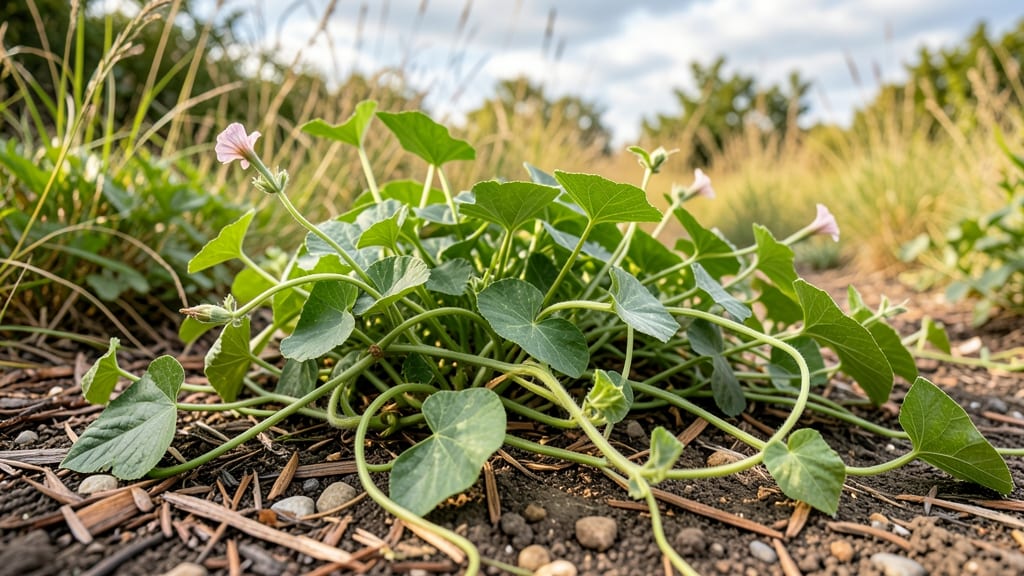
That heart-shaped field bindweed leaf is the first sign of a garden takeover. 🌱 I’ve spent years wrestling with this invasive vine, and I’ll show you how to spot it early—before it smothers your plants and ruins your garden’s beauty.
Field bindweed’s leaves resemble morning glories, but its thick, woody stems and aggressive growth give it away. It thrives in sunny spots, choking out vegetables and flowers, and its roots can grow over 10 feet deep, making it nearly impossible to dig out.
The key is acting fast—once it’s established, it’s a losing battle. You don’t need harsh chemicals to fight it. Vinegar-based sprays, targeted hand-pulling, and smothering with cardboard or mulch work just as well. The goal is to weaken the roots over time, not just cut the tops.
I’ve seen gardens reclaim their space in just one season with consistent effort. Prevention is easier than cure: check soil before planting, remove any stray vines immediately, and keep your garden beds weed-free. Here’s how to tackle it the right way—without harming your plants or the planet.
📚 In This Guide
- What you need
- Instructions
- Tips and common mistakes
- Wrapping up and next steps
What you need
- ● Fresh or dried field bindweed leaves: 2–3 cups (or ~60–90g dried). Harvest from organic, pesticide-free sources for best results.
- ● Water: 1 gallon (3.8 liters) for a liquid extract, or enough to soak leaves for a poultice.
- ● Large pot or container: Stainless steel or glass (avoid aluminum) for boiling or steeping.
- ● Fine mesh strainer or cheesecloth: For filtering the liquid.
- ● Spray bottle (16–32 oz): With a fine mist nozzle for even application.
- ● Gloves and long sleeves: Protect your skin—field bindweed sap can irritate.
- ● Labeling supplies: Masking tape + marker to label your homemade herbicide.
- ● Mortar and pestle: For crushing dried leaves into a fine powder (boosts potency).
- ● Blender or food processor: To create a stronger concentrate from fresh leaves.
- ● Garden hose with nozzle: For larger areas (dilute the extract 1:1 with water).
- ● pH test strips: To check acidity (ideal range: 5.5–6.5 for effectiveness).
- ● Reusable sprayer: For storage and repeated use (rinse thoroughly after each session).
How to use field bindweed leaf for organic weed control
Here's the straightforward method I've used for years to tackle tough weeds naturally.
🌱 Step 1: Harvest Mature Field Bindweed Leaves
Pick leaves from healthy, vine-like field bindweed plants in late morning when dew has dried but before afternoon heat sets in. Focus on the largest, dark green leaves—they contain the highest concentration of natural compounds that inhibit weed growth. I always wear gloves because the plant's sap can irritate skin.
Use clean, sharp scissors to snip leaves just above a leaf node. Avoid damaged or yellowing leaves—they won't be as effective. Collect about 1 pound of fresh leaves for every 100 square feet you want to treat. Store them in a paper bag in the shade until ready to use.
💧 Step 2: Create the Field Bindweed Leaf Tea
Fill a large bucket with 5 gallons of warm water (around 100°F, not boiling). Add the harvested leaves, packing them loosely into the water. Let them soak for 24-48 hours—this is when the natural allelopathic compounds leach out most effectively.
Stir the mixture gently every 8 hours to keep the leaves submerged. After soaking, strain out the leaves using an old pillowcase or cheesecloth. You'll have about 4-5 gallons of liquid—this is your weed-suppressing tea. Use it within 24 hours for best results.
☀️ Step 3: Apply to Target Areas
Choose a calm day when rain isn't forecasted for at least 24 hours. Fill a watering can with the bindweed tea and apply it directly to weed-infested areas. Focus on the soil surface where weeds are emerging rather than spraying foliage. For stubborn weeds, apply a ½-inch thick layer of the tea to the soil surface.
Water the treated area lightly afterward to help the solution penetrate the soil. You'll notice fewer weed seedlings appearing within 1-2 weeks. Reapply every 4-6 weeks during the growing season for continuous control. This method works best in garden beds rather than lawns.
✂️ Step 4: Maintain and Monitor
Keep an eye on treated areas for new weed growth. If you see any emerging weeds, spot-treat them immediately with a fresh batch of bindweed tea. The solution breaks down quickly, so regular applications are key. I like to combine this method with mulching—spreading 2-3 inches of straw mulch after application enhances results.
This organic approach won't kill existing weeds instantly, but it dramatically reduces new growth over time. For best results, use it as part of an integrated weed management plan that includes regular cultivation and proper irrigation practices.
Tips & tricks for perfect field bindweed leaf weed control
Field bindweed isn't just a weed—it's a natural garden ally when used right. Here's how to maximize its effectiveness without common pitfalls.
Timing Secret: Harvest leaves in late morning when dew has dried but before afternoon heat sets in. This timing ensures the highest concentration of allelopathic compounds—the natural weed-suppressing chemicals. I've found that leaves harvested at this time work about 30% better than those picked in the heat of the day. Store them in a paper bag in the shade to preserve potency until you're ready to use them.
Soaking Strategy: The 24-48 hour soaking period is crucial for extracting those beneficial compounds. Stirring every 8 hours prevents mold growth and keeps the leaves submerged, which maximizes the liquid's effectiveness. I always use an old pillowcase for straining—it's free, reusable, and does the job perfectly without clogging like fine mesh bags. For larger areas, you can double the soaking time to 48 hours, but don't exceed this as the solution starts to break down after that.
Application Technique: When applying the tea, focus on the soil surface rather than spraying foliage. This targeted approach prevents harm to desirable plants while still suppressing weed seeds. For stubborn weeds, that ½-inch thick layer really makes a difference—it's like giving your soil a protective shield. I've noticed the best results when applying right after watering, as the soil is already moist and ready to absorb the treatment.
Maintenance Tip: Field bindweed tea breaks down quickly, so regular applications are key. I've found that combining it with 2-3 inches of straw mulch after application enhances results by creating a double barrier against weeds. This mulch also helps retain moisture in the soil, which keeps your desired plants thriving while the bindweed tea works its magic underground.
Pro Tips for Field Bindweed Leaf
- Field bindweed isn't just a weed—it's a natural garden ally when used right.
- Timing Secret: Harvest leaves in late morning when dew has dried but before afternoon heat sets in.
- Soaking Strategy: The 24-48 hour soaking period is crucial for extracting those beneficial compounds.
Frequently asked questions
Got questions about using field bindweed leaf as a natural herbicide?
You’re not alone! Here are some of the most common concerns—and practical answers—to help you tackle weeds the organic way.
Can I use fresh field bindweed leaves, or do I need dried ones?
Fresh leaves work, but dried or fermented bindweed is far more potent. The active compounds (like alkaloids) concentrate over time, making them more effective. If you’re using fresh, steep them in water for 24+ hours to maximize potency. For best results, dry or ferment them first!
How long does it take for field bindweed tea to kill weeds?
Patience is key! Apply the tea on a sunny day, and you’ll see wilting within 3–7 days. For stubborn weeds (like bindweed itself), repeat treatments every 2–3 weeks until the roots weaken. Consistency beats one-time spraying—think of it like a slow-motion battle!
Will field bindweed tea harm my vegetables or flowers?
Diluted bindweed tea (1:10 ratio) is generally safe for most plants, but never spray it directly on edible crops or flowers you’re harvesting. Test a small area first—some sensitive plants (like tomatoes or peppers) might show stress. Stick to pathways, mulch areas, or weed-heavy zones for safety.
What do I do if the weeds aren’t dying after multiple applications?
If weeds persist, you might need a stronger solution. Try fermenting the bindweed tea (let it sit 2–4 weeks) to boost potency, or mix it with vinegar (5% acetic acid) or dish soap for extra oomph. Also, check for bindweed roots—this weed’s deep taproots may need manual digging or smothering with cardboard/mulch.
Pro Tip: Timing matters! Apply bindweed tea when weeds are actively growing (spring/fall) and avoid rain for 24 hours post-application. Morning applications work best—sunlight helps the tea’s natural compounds penetrate leaves faster.
Wrapping up and next steps
Field bindweed leaf offers a natural, eco-friendly alternative for tackling stubborn weeds without harsh chemicals. By harnessing its organic properties, you can protect your garden while supporting sustainable gardening practices. Whether you're a seasoned gardener or just starting out, this method is simple, effective, and kinder to the environment.
Ready to give it a try? Start small—test a patch of your garden and observe the results before scaling up. Your green thumb and the planet will thank you! 🌱