
Pruning
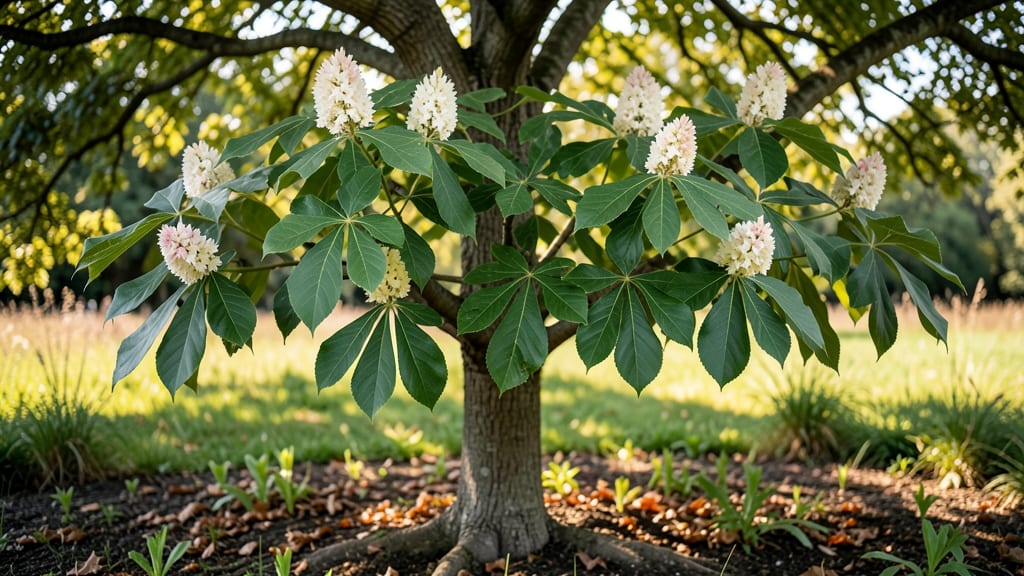
Pruning a five-leaf tree transforms it from a scraggly mess into a showstopper with glossy leaves and perfect symmetry. 🌿 I’ve pruned everything from Schefflera in my living room to Aralia elata in my shade garden—here’s how to keep yours thriving year-round without killing it in the process.
The key is timing: light trims in spring encourage fresh growth, while heavier shaping happens in late winter before new shoots emerge. You’ll need sharp pruners, rubbing alcohol for cuts, and a clear vision of the shape you want—whether that’s a formal hedge or a natural, airy silhouette.
Most people over-prune, so start slow and watch how the tree responds. By summer, your tree will reward you with dense foliage and sturdy branches. The leaves stay vibrant, pests stay away, and you’ll avoid that sad, leggy look that happens when pruning is ignored.
Even indoor varieties bounce back faster with proper care. Outdoor trees handle more aggressive pruning, while indoor types need gentler touch—especially in low light. Here’s how to adapt the same principles to both.
📚 In This Guide
- What you need
- Instructions
- Tips and common mistakes
- Wrapping up and next steps
What you need
- ● Pruning shears: Bypass pruners (for small branches, 5–8 inches) or anvil pruners (for thicker branches, 6–10 inches). Pro tip: Sharpen blades before use! ⚡
- ● Loppers: 1–2 pairs (16–24 inches) for medium-sized branches (½–2 inches thick). Look for ratcheting loppers for extra leverage.
- ● Pruning saw: 1 curved-tooth pruning saw (for branches thicker than 2 inches). A foldable saw is ideal for hard-to-reach spots.
- ● Gloves: 1 pair of cut-resistant, breathable gloves (gardening or pruning-specific) to protect your hands.
- ● Disinfectant: 70% isopropyl alcohol or a pruning sealant (like Tanglefoot Pruning Seal) to prevent disease spread.
- ● Extension pole: 1 telescoping pruning pole (10–16 feet) with a saw or shears attachment for high branches.
- ● Bucket or tarp: 1–2 5-gallon buckets or a large tarp to collect debris.
- ○ Ladder (optional but helpful): A stable, non-slip ladder (16–24 feet) if your tree is tall. ⚠️ Safety first: Always have a spotter!
- ● Pruning paint: Tree wound paint (like TreeHelp) to seal large cuts and reduce sap loss.
- ● Hand saw: A folding pruning saw for stubborn, thick branches.
- ● Tree bag: A mesh pruning bag to collect and dispose of diseased branches easily.
- ● Notebook & pen: To sketch your tree’s structure and track pruning progress.
- ● Safety gear: Safety goggles and ear protection if using a chainsaw (for very large branches).
Step-by-Step five leaf tree pruning for year-round health
Here's how I keep my five leaf trees looking lush and thriving all year—no guesswork, just proven techniques.
✂️ Step 1: Assess the Tree for Pruning Needs
Start by examining your five leaf tree for dead, diseased, or crossing branches. I look for brown or brittle limbs first—they’re the easiest to spot and should go first. Healthy branches have smooth bark and vibrant green leaves, while dead ones snap easily when bent. Grab a small notebook to jot down which branches need attention.
Next, check for branches that rub against each other or grow inward. These create weak points and can damage the tree over time. I like to use a flashlight to spot hidden issues in dense foliage. If you see any signs of pests or fungal growth (like black spots or webbing), note those areas too—they’ll need extra care after pruning.
✂️ Step 2: Gather the Right Tools and Sanitize
For five leaf trees, you’ll need sharp, clean pruning tools to avoid tearing bark or spreading disease. I always use a pair of bypass pruners for branches up to ¼ inch thick and a pruning saw for anything thicker. Before you start, wipe the blades with rubbing alcohol or a bleach solution to sterilize them—this prevents transferring pathogens between cuts.
Grab a small bucket of water and a few paper towels too. You’ll want to clean your tools between cuts, especially if you’re working with diseased branches. I also keep a pair of gloves handy—some five leaf trees have thorns or sap that can irritate skin. A ladder or sturdy stool might be needed if your tree is tall, but never stretch to reach high branches.
☀️ Step 3: Prune for Shape and Airflow in Late Winter
The best time to shape your five leaf tree is in late winter or early spring, just before new growth begins. Start by removing dead or diseased branches first—cut them back to the main trunk or a healthy lateral branch. Make your cuts at a 45-degree angle, about ¼ inch above a leaf node or outward-facing bud, to encourage healthy regrowth and water runoff.
Next, thin out the canopy to improve airflow and sunlight penetration. I aim to remove no more than 25% of the foliage in one session to avoid stressing the tree. Focus on branches that cross or grow inward, cutting them back to the trunk or a strong lateral branch. Step back often to check the overall shape—you want a balanced, open structure that lets light reach the inner branches.
🌿 Step 4: Maintain Health Through Light Trimming After Flowering
After your five leaf tree finishes flowering, do a light maintenance prune to remove any spent blooms or overly long branches. This encourages new growth and keeps the tree looking tidy. I like to trim just the tips of branches that are growing too leggy, cutting back to the nearest set of leaves or bud. Avoid heavy pruning now—this can reduce next year’s flower production.
Keep an eye out for suckers—those are the small, weak shoots that sprout at the base of the tree. Remove them as soon as you see them, cutting them off at the base. Suckers drain energy from the main tree and can lead to a weak, unshaped growth habit. If you notice any new pests or diseases during this check, treat them immediately with a neem oil solution or fungicide.
⏰ Step 5: Clean Up and Monitor for Year-Round Success
After pruning, clean up all the debris from the ground and dispose of it properly. Don’t compost diseased branches—they can spread problems to other plants. I like to rake up the clippings and either bag them for trash or burn them (if local regulations allow). This keeps your garden tidy and reduces the risk of reinfection.
Finally, monitor your five leaf tree regularly throughout the year. Water deeply after pruning if the weather is dry, and keep an eye on new growth for signs of stress or pests. I check my trees every 2-3 weeks during the growing season to catch any issues early. With consistent care, your five leaf tree will stay healthy, shaped, and full of life all year long.
Tips & tricks for perfect five leaf tree pruning
These practical insights will help you transform your five leaf tree into a thriving centerpiece with minimal effort.
Tool Selection: I can't stress enough how important it is to use the right tools for the job. For branches thicker than ¼ inch, a pruning saw is a game-changer—it prevents the kind of jagged tears I used to get with bypass pruners. I keep a small folding saw in my toolkit specifically for this purpose. For thinner branches, make sure your bypass pruners are sharp; dull blades crush rather than cut cleanly, which can damage the tree's healing process.
Seasonal Timing: The late winter/early spring timing in Step 3 is critical because that's when your five leaf tree is dormant but just about to burst into new growth. This timing allows the tree to heal quickly from pruning cuts before the growing season begins. If you must prune outside this window, avoid doing heavy pruning during extreme heat or cold—both can stress the tree. I've learned this the hard way after seeing trees struggle during summer pruning sessions.
Cutting Technique: That 45-degree angle mentioned in Step 3 isn't just arbitrary—it's about directing water runoff away from the cut area. When you make a clean cut just above a leaf node or outward-facing bud, you're essentially telling the tree where to grow next. I always visualize the angle as pointing toward the outer edge of the branch, which helps prevent water from pooling at the cut and causing rot. Take your time with this step; precision pays off in the tree's long-term health.
Post-Pruning Care: After you've finished pruning, don't forget about the immediate aftermath. The 2-3 week monitoring schedule in Step 5 is your chance to catch any issues before they become major problems. I've found that watering deeply right after pruning—especially if it's been dry—helps the tree recover faster. Just be careful not to overwater, as the roots need time to adjust to the new shape and growth pattern you've created.
Pro Tips for Five Leaf Tree
- These practical insights will help you transform your five leaf tree into a thriving centerpiece with minimal effort.
- Tool Selection: I can't stress enough how important it is to use the right tools for the job.
- Seasonal Timing: The late winter/early spring timing in Step 3 is critical because that's when your five leaf tree is dormant but just about to burst into new growth.
Frequently asked questions
When is the best time to prune a five-leaf tree?
The ideal time depends on the species! For Ginkgo biloba, late winter or early spring (before new growth) is best to avoid sap bleeding. Sassafras trees tolerate pruning year-round, but spring or summer (after flowering) minimizes stress. Pro tip: Avoid heavy pruning in fall—it invites pests and disease before dormancy.
How much can I trim without harming the tree?
Never remove more than 25% of the foliage in a single session. For five-leaf trees, focus on dead, diseased, or crossing branches first. Light shaping (10–15%) is safe annually, while heavy pruning should be spaced 3–5 years apart. Warning: Over-pruning weakens the tree and can lead to sunburn or pest attacks.
Why is my five-leaf tree oozing sap after pruning?
Sap bleeding is normal for Ginkgo trees (especially in late winter/early spring) and usually harmless. To minimize it, prune on dry, cool days and avoid cuts larger than 2 inches in diameter. Seal larger wounds with pruning sealant if sap flow is excessive. Sassafras rarely bleeds sap, so excessive oozing may signal disease—inspect for fungal signs.
Can I shape a five-leaf tree into a topiary or bonsai?
Both Ginkgo and Sassafras respond well to formal shaping, but patience is key. Start with small, frequent trims to train branches, and use coping saws or hedge shears for precise cuts. Bonsai tip: Ginkgo thrives in containers, while Sassafras needs regular root pruning to stay compact. Mulch heavily to retain moisture.
What should I do if my tree’s leaves turn brown after pruning?
Brown leaves post-pruning often signal stress from over-trimming, drought, or fungal infection. First, check for powdery mildew or leaf spot (common in humid climates). Water deeply and mulch to retain moisture. If stress is severe, apply a balanced fertilizer (like 10-10-10) in early spring. Note: Ginkgo leaves may yellow naturally in fall—don’t panic!
Are there alternatives to traditional pruning for five-leaf trees?
Yes! For minimalists, try selective thinning to improve airflow or pollarding (cutting back to a stub) for dramatic height control. Espalier training works well for Sassafras, flattening the tree against a fence or wall. Tool swap: Use bypass pruners for clean cuts (avoid anvil pruners—they crush branches).
Wrapping up and next steps
Mastering the art of five-leaf tree pruning is your ticket to a stunning, healthy specimen year-round! 🌿 By following seasonal techniques—from winter cleanup to summer shaping—you’ll encourage vibrant growth, prevent pests, and keep your tree’s natural beauty intact.
Whether you’re a novice or a green thumb, a little patience and the right tools make all the difference.
Ready to give your five-leaf tree the TLC it deserves? Grab your pruners, mark your calendar for the next pruning session, and watch your tree thrive! 🌟