
Pests and Diseases
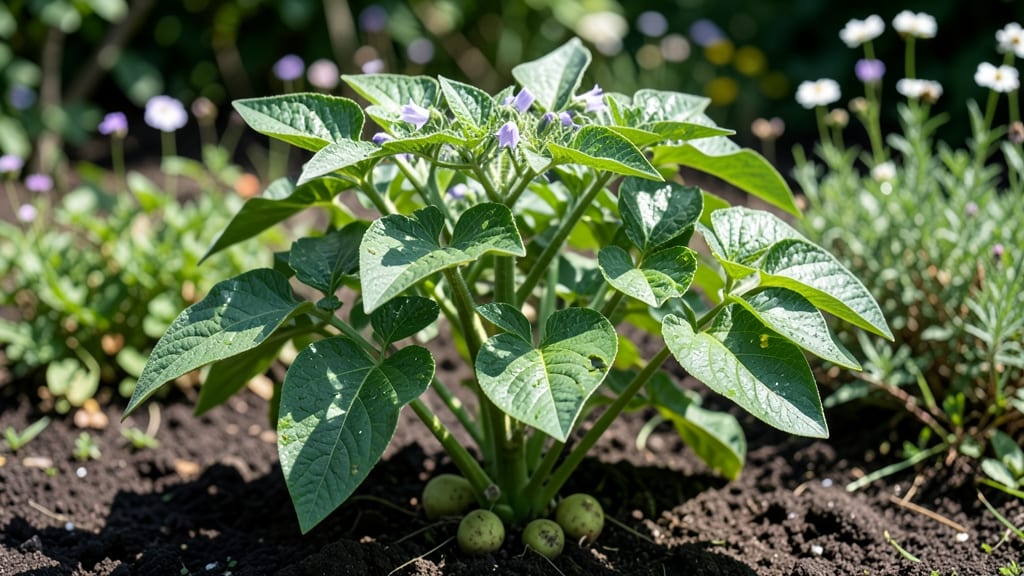
The five point leaf plant develops crispy, brown edges on its leaves when suffering from crispy edge disease, typically caused by overwatering, poor soil drainage, or fungal infections like Phytophthora. To fix it, trim the damaged foliage, improve drainage in the soil, and apply an appropriate fungicide to stop the spread.
Crispy edge disease in five point leaf plants often starts with subtle browning along leaf margins that quickly progresses to brittle, crispy edges. 🌿 This condition isn't just unsightly—it signals deeper stress, whether from root rot caused by soggy soil or fungal spores thriving in humid conditions.
I've seen this problem worsen when growers ignore early signs, so catching it early with proper pruning and soil adjustments makes all the difference. The key is balancing moisture while ensuring roots get enough oxygen to prevent future outbreaks.
For best results, combine treatment steps: start by snipping off affected leaves with clean scissors, then test your soil's drainage by watering and observing how quickly excess moisture drains away. A 50/50 mix of potting soil and perlite often works wonders for improving aeration.
If fungal infection is confirmed, copper-based fungicides applied every 7-10 days can help restore your plant's health while preventing recurrence.
💡 In This Article
- What Causes Crispy Edge Disease in Five Point Leaf
- Step-by-Step Treatment Guide for Five Point Leaf Recovery
What causes crispy edge disease in five point leaf
Crispy edge disease in five point leaf plants begins when leaf margins dry out faster than the center due to a disruption in water uptake. This happens primarily from overwatering, which creates waterlogged soil that suffocates roots and prevents them from absorbing moisture efficiently.
When roots struggle, the plant prioritizes water delivery to younger leaf tissues, leaving older leaves vulnerable to dehydration at the edges—where cells have thinner cuticles and higher transpiration rates.
The most common culprit is Phytophthora, a water-loving fungus that thrives in soggy conditions. Its spores infect root zones, blocking water transport through the plant's vascular system.
You'll notice this when leaves develop crispy brown edges while still feeling firm to the touch—a classic sign of restricted water flow. 🌱 Other pathogens like Pythium or Erwinia can cause similar symptoms, especially in humid environments where stagnant water lingers in pots or soil.
Nutrient imbalances also play a role, particularly calcium deficiency, which weakens cell walls and makes leaf edges more prone to drying. Five point leaves need consistent calcium levels (around 100-200 ppm in soil) to maintain membrane integrity.
When calcium drops below 50 ppm, edges become brittle and prone to browning. Even environmental stressors like sudden temperature drops below 60°F or drafts from air conditioning can accelerate moisture loss at leaf margins.
Poor drainage compounds the problem by creating anaerobic conditions in the root zone. When water pools at the bottom of pots or containers, roots suffocate and develop lesions that further impede nutrient uptake. This is why five point leaves in decorative pots often suffer—many commercial mixes retain too much moisture.
The solution lies in amending soil with 20-30% perlite or orchid bark to create air pockets that improve oxygen flow to roots.
What most growers miss is how these factors interact. For example, overwatering + low light = more severe crispy edges because the plant can't photosynthesize enough to compensate for water stress. The result?
A vicious cycle where the plant becomes more susceptible to fungal infections. 🔍 To break it, combine proper drainage with consistent light exposure (bright, indirect light for 6-8 hours daily) and avoid letting soil stay wet for more than 24 hours between waterings.
Here's what to watch for: If crispy edges appear suddenly on multiple leaves, fungal infection is likely. If they develop gradually with yellowing between veins, overwatering or poor drainage is the culprit.
The key is acting fast—once edges become truly crispy and brittle, the damage is permanent, and only new growth can restore healthy foliage.