
Shrubs
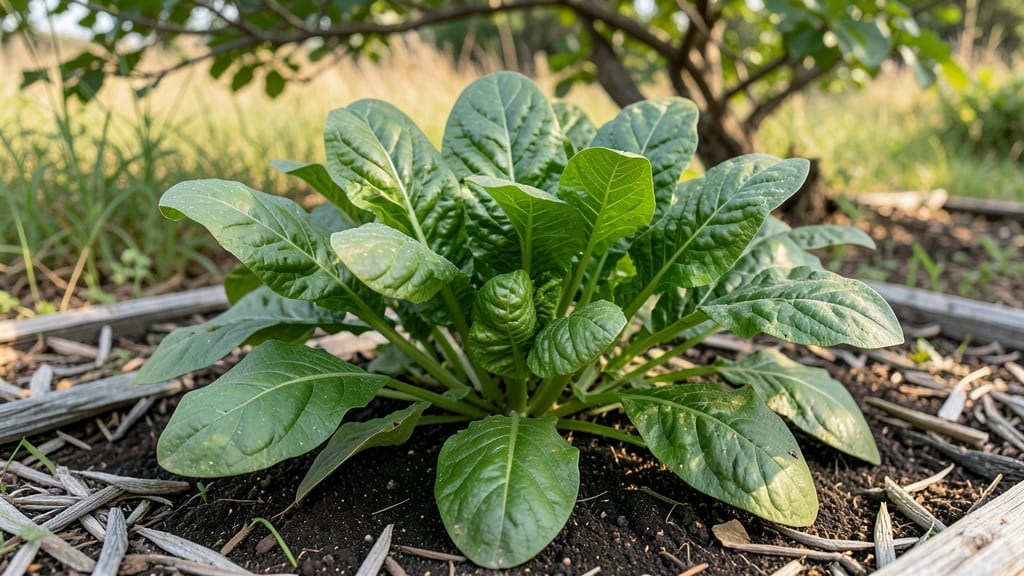
Growing Florida Broadleaf mustard greens is the fastest way to turn a patch of soil into a peppery, nutrient-packed harvest in just 30 days. 🌱 I’ve grown them every winter for years, and they’ve become my go-to for quick, hardy greens that handle Florida’s mild winters like champions—unlike finicky lettuce that bolts at the first hint of warmth.
The secret lies in their heat tolerance and rapid growth, making them perfect for Southern gardeners who want something reliable between seasons.
Start with well-draining soil amended with compost—these greens thrive in loose, fertile ground but won’t fuss if your soil’s on the sandy side, which is common in Florida. Plant seeds ½ inch deep, 2 inches apart, and keep them moist (not soggy) until they sprout in about a week.
They love full sun but tolerate partial shade, which is a lifesaver if your yard gets scorching afternoons. Once established, they’ll push through light frosts, giving you harvests even when other greens give up.
Harvest begins when leaves reach 3-4 inches tall, cutting outer leaves first to encourage continuous growth. You’ll get bold, slightly spicy greens perfect for salads, sautéing, or blending into soups—way more flavor than store-bought mustard greens.
The key to avoiding bolting (their one weakness) is keeping them consistently moist and harvesting regularly. In Florida’s climate, you can even squeeze in a second planting in early fall for a winter harvest before the real heat sets in.
Watch out for flea beetles—they’ll chew tiny holes in leaves, but a row cover or light spray of neem oil keeps them in check. These greens are also surprisingly pest-resistant compared to other leafy crops, which is why they’ve become a staple in my garden.
With minimal effort, you’ll have a reliable, fast-growing crop that outshines anything you’d buy at the market.
📚 In This Guide
- What you need
- Instructions
- Tips and common mistakes
- Wrapping up and next steps
What you need
- ● Seeds: 1 packet of Florida broadleaf mustard green seeds (about 50–100 seeds per packet). Look for heirloom or organic varieties for best results!
- ● Soil: 5–10 gallons of well-draining, nutrient-rich soil (pH 6.0–7.0). A mix of garden soil, compost (20–30%), and perlite works well.
- ● Container or Garden Bed: Containers: 5–10-gallon pots (with drainage holes) for patio or balcony growing.
- ● Garden Bed: A 12"–18" deep plot with full sun (6+ hours/day) or partial shade in extreme heat.
- ● Watering Supplies: A watering can or hose with a gentle spray nozzle (mustard greens love consistent moisture!).
- ● Fertilizer: Balanced organic fertilizer (10-10-10 or compost tea) to boost growth. Apply every 3–4 weeks.
- ● Hand Trowel or Transplanter: For sowing seeds or transplanting seedlings.
- ● Garden Gloves: To protect your hands while working with soil.
- ● Mulch: Straw or shredded leaves (1–2 inches) to retain moisture and suppress weeds.
- ○ Row Cover or Shade Cloth: Lightweight fabric to protect seedlings from harsh sun or pests (optional but helpful in Florida’s heat!).
- ● Pruning Shears: For harvesting outer leaves without damaging the plant.
Step-by-step instructions for growing Florida broadleaf mustard greens
Here's how to grow these bold, peppery greens quickly in Florida's heat.
🌱 Step 1: Choose the Right Time and Location
Florida's climate lets you grow these greens year-round, but they thrive best in cool weather—aim for planting 8-10 weeks before your first frost (typically late summer to early fall) or early spring (February-March). They bolt quickly in 90°F+ temperatures, so avoid summer planting unless you use shade cloth.
Pick a spot with partial shade—morning sun and afternoon shade works best. Mustard greens tolerate heat better than most greens, but direct afternoon sun can make them bitter. If you must grow in summer, provide 30-50% shade cloth during peak heat hours to keep leaves tender.
🪴 Step 2: Prepare the Soil and Plant Seeds
Mustard greens prefer well-draining, fertile soil with a pH between 6.0-7.0. Work 2-3 inches of compost into the top 6 inches of soil before planting. These greens grow fast, so they need plenty of nutrients to avoid going to seed quickly.
Sow seeds ¼ inch deep, spacing them 1 inch apart in rows 12-18 inches apart. You'll get 4-5 plants per foot of row. Water gently after planting to settle the soil—don't let seeds dry out. They germinate in 4-7 days at 60-70°F, so keep soil consistently moist until sprouts appear.
☀️ Step 3: Maintain Moisture and Watch for Bolting
Mustard greens need 1-1.5 inches of water weekly, but Florida's humidity means you can often get by with 3-4 times weekly watering instead of daily. Water deeply in the morning to let leaves dry before evening—this prevents fungal diseases like downy mildew, which thrives in Florida's damp air.
Here's the thing—these greens grow fast, often reaching harvest size in 3-4 weeks. Watch for flower stalks (bolting), which appear when days get long or temps rise. If you see buds forming, harvest immediately or remove the plant to keep production going. Succession planting every 2 weeks ensures a steady supply.
✂️ Step 4: Harvest for Peak Flavor and Texture
Harvest outer leaves when they reach 4-6 inches tall, leaving the inner leaves to keep growing. This method gives you continuous harvests for 4-6 weeks per planting. For baby greens, cut the whole plant at 2-3 inches tall—they'll regrow quickly for a second harvest.
Mustard greens taste best when harvested young. Older leaves get bitter and tough, especially in heat. If you see yellowing leaves, it's time to harvest—this is normal as the plant matures. Store harvested greens in plastic bags in the fridge for up to 5 days, or wash and dry them immediately for salads.
Tips & tricks for growing Florida broadleaf mustard greens
These quick strategies will help you grow bold, peppery greens without the common growing headaches.
Timing Secret: The 8-10 week planting window before frost is key, but don't stress about exact dates. In Florida's warm winters, you can often extend this to late fall. If you're planting in summer, start seeds indoors 4-6 weeks before transplanting to avoid the 90°F+ heat that triggers bolting. I've had success with shade cloth as low as 25% coverage—just enough to keep leaves tender.
Soil Prep Tip: Mustard greens are heavy feeders, so don't skimp on compost. Mix in 2-3 inches of well-aged compost and a handful of balanced fertilizer (10-10-10) at planting time. For extra insurance, side-dress with compost again after 3 weeks. The goal is to prevent nutrient deficiencies that make plants bolt prematurely. I've seen plants go from seed to harvest in just 21 days when soil is properly prepped!
Watering Wisdom: Florida's humidity means you can often water less frequently than you think. Instead of daily light watering, aim for 3-4 times weekly with 1-1.5 inches total. The key is deep watering in the morning—this prevents fungal diseases that love damp leaves. I've had great success using drip irrigation on a timer set for 20 minutes every other day during our dry spells.
Harvest Hack: For continuous harvests, cut leaves when they reach 4-6 inches tall, but never take more than 1/3 of the plant at once. This keeps production going for 4-6 weeks per planting. Pro tip: Harvest in the morning after dew has dried but before the heat of the day. The leaves will be crispest and most flavorful. I always wash and dry them immediately for salads to preserve that fresh-from-the-garden taste.
Pro Tips for Florida Broadleaf Mustard Greens
- These quick strategies will help you grow bold, peppery greens without the common growing headaches.
- Timing Secret: The 8-10 week planting window before frost is key, but don't stress about exact dates.
- Soil Prep Tip: Mustard greens are heavy feeders, so don't skimp on compost.
Frequently asked questions
Got questions about growing Florida broadleaf mustard greens?
You’re not alone! Here are answers to the most common queries—from planting to harvest—to help you grow these bold, fast greens like a pro.
When is the best time to plant Florida broadleaf mustard greens in Florida?
Plant them in early fall (September–October) or late winter (February–March) to avoid extreme heat. These greens thrive in cooler temps (50–70°F) and bolt quickly when exposed to summer’s scorching sun. For year-round harvests, succession plant every 2–3 weeks!
How long does it take for Florida broadleaf mustard greens to mature?
Most varieties are ready to harvest in 30–45 days from seed! For baby greens, snip leaves when they’re 4–6 inches tall. If you let them grow larger, they’ll develop spicy, mature leaves perfect for stir-fries or sautéing. Pro tip: Regular harvesting encourages bushier regrowth!
Can I grow Florida broadleaf mustard greens in containers or small spaces?
These greens are compact and fast-growing, making them ideal for containers, raised beds, or even window boxes. Use a 5–6 inch deep pot with well-draining soil and place them in full sun to partial shade. Just ensure they get at least 6 hours of sunlight daily for best results.
Why are my Florida broadleaf mustard greens turning bitter or bolting?
Bitterness or bolting (premature flowering) usually happens when greens get too hot or too old. To prevent this:
- Harvest leaves before flowering (usually 30–40 days post-planting).
- Avoid planting in peak summer heat—stick to cooler seasons.
- Use shade cloth (30–50%) if growing in late spring/early fall to slow bolting.
What’s a good substitute if I can’t find Florida broadleaf mustard greens?
If you’re craving that peppery, fast-growing green but can’t find broadleaf mustard, try:
- Southern giant curleaf mustard – Similar heat tolerance and bold flavor.
- Collard greens – Slower-growing but hardy and versatile.
- Turnip greens – Another Southern staple with a slightly sweeter bite.
- Arugula or peppery mustard greens – For a quicker harvest with a similar kick.
Wrapping up and next steps
Growing Florida broadleaf mustard greens is a rewarding way to add bold, nutrient-packed greens to your Southern garden—fast and with minimal fuss! 🌱 Whether you're a seasoned gardener or just starting out, these hardy greens thrive in warm climates and deliver big flavor in small packages.
With the right soil, sunlight, and care, you’ll soon be harvesting crisp, peppery leaves to spice up salads, sautés, or stir-fries.
Ready to dive in? Start small—plant a few seeds or seedlings this week and watch your garden transform! For even better results, experiment with companion planting or succession sowing to keep your kitchen stocked all season. Happy growing, and enjoy the taste of homegrown success! 🌿