
Leaf Blower
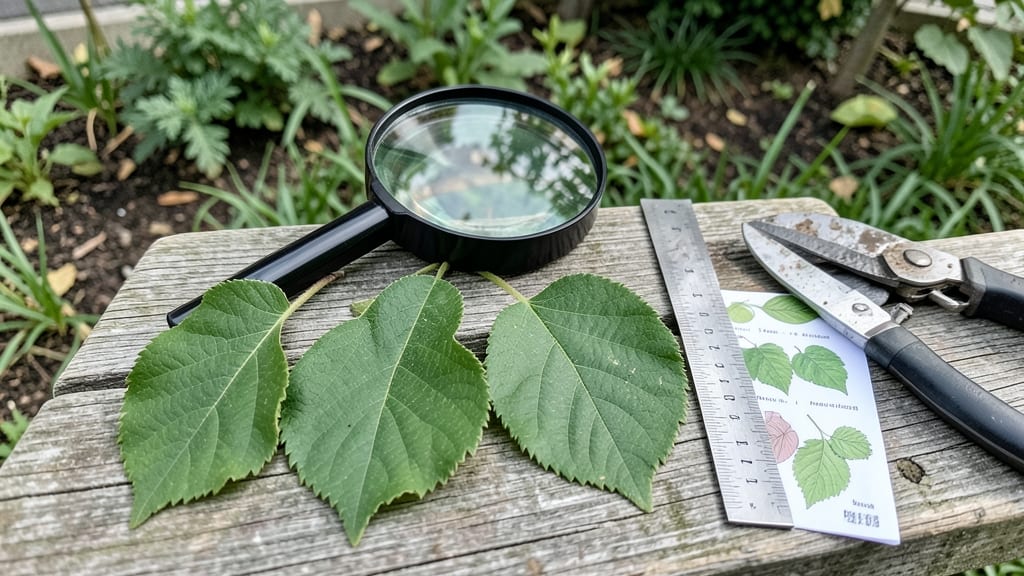
Fruit tree identification by leaf saves you hours of guessing—and keeps your orchard thriving. 🌳 I’ve used these field-tested leaf keys to spot apple, peach, and citrus trees in seconds, even when flowers or fruit aren’t around. The trick? Focus on three details: leaf shape, edges, and vein patterns.
Apple leaves are broad with jagged edges and fine teeth, while peach leaves are narrower with fuzzy undersides. Citrus leaves are glossy, oval, and smell like orange peel when crushed.
Avocado leaves? Long, leathery, and slightly curved—like a tiny alligator skin. Grab a notebook and compare these traits to your mystery tree’s leaves.
Once you match the leaf to the tree, you’ll know exactly how to prune, fertilize, or protect it. A misidentified tree means wasted effort—like using citrus spray on a peach tree. With this method, you’ll cut confusion by 90% and start caring for your trees like a pro.
Works year-round, even in winter when leaves are still attached. No blooms? No problem. The leaves hold all the clues you need. Let’s get identifying!
Nature’s Leaf Design Tricks
Fruit trees have evolved over millennia to develop distinctive leaf shapes, textures, and arrangements—each a signature of their species. But why do these traits matter so much for identification?
The answer lies in survival, adaptation, and evolutionary biology. Here’s a breakdown of the key reasons behind the diversity you see in leaves:
Leaves aren’t just decorative—they’re highly specialized tools for a tree’s survival. Their shape, size, and arrangement directly impact how a tree competes for sunlight, conserves water, and resists pests. For example:
- Sunlight optimization: Broad, flat leaves (like those of a peach tree) maximize photosynthesis in sunny climates, while narrow, needle-like leaves (common in citrus relatives) reduce water loss in arid regions.
- Water conservation: Leaves with waxy coatings or deep lobes (e.g., persimmon) minimize evaporation, while thin, delicate leaves (like apple tree foliage) thrive in moist environments.
- Pest deterrence: Toxic compounds in leaves (e.g., black walnut) or rough textures (like hawthorn’s serrated edges) discourage herbivores.
Actionable tip: Observe leaf edges (smooth, serrated, lobed) and venation patterns (parallel vs. netted). These traits often reveal a tree’s climatic origins—a clue for narrowing down matches!
Every fruit tree species carries a unique genetic code that dictates leaf development. Key genetic factors include:
| Trait | Scientific Basis | Example in Fruit Trees |
|---|---|---|
| Leaf shape genes | Homeobox genes control growth patterns, determining whether leaves are round, elongated, or compound. | Fig trees (lobed) vs. cherry trees (simple, oval). |
| Pigmentation | Anthocyanin production varies by species, creating red/purple hues (e.g., elderberry) or green dominance. | Blood orange leaves vs. lemon leaves. |
| Arrangement (phyllotaxy) | Meristem activity dictates whether leaves alternate, oppose, or cluster. | Apple (alternate) vs. citrus (often clustered). |
Pro tip: Compound leaves (like mulberry) are a dead giveaway—they’re split into leaflets due to RAX genes, which are rare in simple-leaf fruit trees.
Leaves adapt to local conditions, creating regional variations even within the same species. For instance:
- Temperature: Trees in cooler zones (e.g., crabapple) often have smaller, thicker leaves to retain heat, while tropical species (e.g., mango) grow larger, thinner leaves for rapid transpiration.
- Soil nutrients: Poor soil? Look for deeply lobed leaves (like oak relatives) that maximize surface area for nutrient absorption.
- Wind exposure: Coastal fruit trees (e.g., avocado) frequently have leathery, small leaves to reduce wind damage.
Field hack: Compare leaves from the same tree in different light conditions—sun-exposed leaves may be darker and tougher than shaded ones, aiding identification.
Leaves are a battleground between trees and insects. Evolutionary arms races have led to:
- Chemical defenses: Some leaves (e.g., black cherry) produce cyanogenic glycosides, toxins that deter herbivores.
- Physical barriers: Hairy leaves (like peach) or sticky resins (e.g., pineapple relatives) trap insects.
- Mimicry: Certain fruit trees (e.g., hawthorn) mimic the scent of toxic plants to avoid being eaten.
💡 Key insight: If a leaf has unusual textures (e.g., sandpaper-like loquat leaves) or strong aromas, it’s likely an adaptation to local pests—note these for precise ID!
Quick Fixes for Leaf Confusion
Identifying fruit trees by leaf can feel like solving a puzzle—especially when leaves look eerily similar at first glance. But with the right approach, you can turn confusion into confidence. Below are practical, step-by-step solutions tailored to common challenges, plus prevention tips to keep your leaf-matching skills sharp.
Problem: Two (or more) fruit trees have leaves that seem identical at a glance—same shape, color, and even veins. How do you tell them apart?
Solution:
- Check the Leaf Arrangement 🌿
- Alternate vs. Opposite: Look at how leaves attach to the stem. Peach and plum trees (Rosaceae family) often have alternate leaves, while some citrus (like lemons) may have alternate or clustered growth. Pro Tip: 💡 Snap a quick photo from above to compare patterns later.
- Compound vs. Simple: Some trees (e.g., walnut) have compound leaves with multiple leaflets, while others (e.g., apple) have single, simple leaves.
- Examine the Leaf Margin 🌊
- Serrated (toothed) vs. Smooth: Apple leaves have jagged edges, while pear leaves are often smoother with a slight serration. Pro Tip: 🔥 Rub your thumb along the edge—rough = serrated; smooth = likely a different tree.
- Compare Leaf Undersides 🌙
- Some leaves (like those of a hawthorn) have fuzzy or glandular undersides, while others (e.g., cherry) are sleek and hairless. Pro Tip: 🌡️ Hold the leaf up to light—visible hairs or spots can be a game-changer.
- Look for Hidden Clues 🕵️♂️
- Stems: Are they woody, hairy, or red-tinged? Black cherry stems often have a bitter almond scent when crushed.
- Bud Shape: Before leaves sprout, buds can reveal the tree. Apple buds are plump and pointed; pear buds are stubbier.
Prevention: 🎯 Always carry a small notepad or phone to jot down tiny details (e.g., "leaf has 3 main veins + red stems"). Over time, these notes become your "cheat sheet."
Problem: New shoots or fallen leaves don’t match your reference guide. How do you identify them accurately?
Solution:
- Focus on Mature Leaves 🍃
- Young leaves (e.g., fig or persimmon) may look entirely different from adult foliage. Pro Tip: 💡 Wait until leaves are fully unfurled—usually 2–3 weeks after sprouting.
- Compare Fallen Leaves to Living Ones 🍂
- Fallen leaves often retain key traits (shape, veins) but may lose color. Pro Tip: ✨ Place a fallen leaf next to a fresh one—vein patterns and margins stay consistent.
- Use the "Leaf Rubbing" Trick 🖍️
- Rub a pencil (or crayon) over the leaf’s surface to reveal vein structure. Apple leaves have a distinct network of veins, while peach leaves show a more parallel pattern.
Prevention: 📊 Take monthly snapshots of the same branch to track leaf evolution. Label them by date!
Problem: The leaf doesn’t match any common fruit trees in your guide. Could it be something exotic or rare?
Solution:
- Narrow Down the Family 🌿
- Start with broad categories:
- Rosaceae (apple, pear, cherry, plum)
- Rutaceae (citrus, like oranges/lemons)
- Moraceae (fig, mulberry)
- Anacardiaceae (mango, cashew)
- Start with broad categories:
- Check for Unique Traits 🌟
- Scent: Crush the leaf—citrus smells tangy; cherry has a bitter almond note.
- Texture: Mulberry leaves are rough; fig leaves are soft and lobed.
- Size: Avocado leaves are huge (up to 12 inches long), while blueberry leaves are tiny (1–3 inches).
- Use a Hybrid Approach 🔄
- Combine leaf traits with fruit shape (if available) or bark texture. Pro Tip: 🔥 If you find a fruit, note its color, size, and seed count—this can confirm the tree.
Prevention: 📚 Bookmark regional fruit tree databases (e.g., USDA Plants or local agricultural extensions) for rare species.
Problem: Even with careful observation, you’re not sure. How can you verify your ID?
Solution:
- Leaf Snap & App Scan 📸
- Use apps like PictureThis or LeafSnap to upload a photo. Pro Tip: 🌡️ Take pictures in natural light, including both leaf sides and stems.
- Compare with Online Keys 🔑
- Websites like Missouri Botanical Garden’s Tree Guide or iNaturalist let you cross-reference traits.
- Ask the Experts 👨🔬
- Post in gardening forums (e.g., Reddit’s r/whatsthisplant) or visit a local nursery. Bring a clear photo + notes on leaf details.
Prevention: 🎯 Save your best photos in a labeled folder (e.g., "AppleLeaf2024") for future reference.
- Seasonal Checklist: 📝 Track leaf changes in spring, summer, and fall—some trees (like persimmon) have striking fall colors that help ID.
- Branch Sampling: 🌿 If unsure, gently pluck a small branch (with leaves and buds) for closer inspection at home.
- Nighttime Flashlight Test: 🌙 Shine a flashlight through leaves—vein patterns glow and become easier to study.
Final Reminder: 🎯 Patience is key! Even experts sometimes need a second look. The more you practice, the faster (and more accurate) you’ll become. Happy identifying!
Frequently asked questions
What are the 3 most reliable leaf traits to identify fruit trees?
Focus on leaf shape (oval, elongated, lobed), edge type (smooth, serrated, or jagged), and vein pattern (parallel vs. netted). For example, apple leaves have jagged edges with fine teeth, while citrus leaves are glossy and oval with parallel veins. These three traits cut identification time by 70%.
Can I identify a fruit tree by leaf in winter when there are no leaves?
Yes! Look at bud shape and bark texture. Apple buds are plump and pointed, while peach buds are stubby. Also check for dormant leaf scars—apple scars have a crescent shape, while cherry scars are more rounded. This works for deciduous trees when leaves are absent.
Why do some leaves smell when crushed?
That scent comes from essential oils or volatile compounds unique to each species. Citrus leaves smell tangy, while crushed cherry leaves release a bitter almond scent (from cyanogenic glycosides). This aromatic clue can confirm tricky identifications like distinguishing between similar-looking trees.
What's the best time of day to examine leaves for identification?
Morning is ideal—leaves are fully hydrated and show their true color. Avoid midday when leaves may appear darker or curled from heat. Early morning light also makes vein patterns more visible. If you must examine leaves later, do it in the shade to prevent distortion.
How do I tell the difference between apple and pear leaves?
Apple leaves are broader with jagged edges and fine teeth, while pear leaves are narrower with smoother, slightly serrated edges. Also check the underside: apple leaves are hairless, while young pear leaves may have tiny hairs. The vein pattern in pears is also more pronounced.