
Pruning
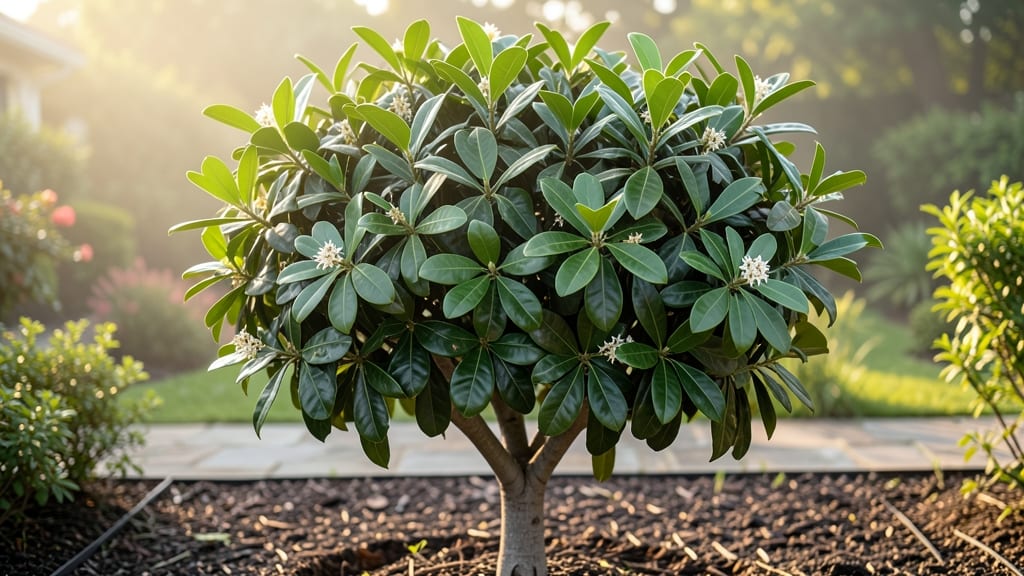
A full-grown curry leaf tree 🌿 can transform your kitchen garden into a fragrant spice source—but knowing when and how to care for it makes all the difference.
Imagine plucking fresh, fragrant curry leaves straight from your backyard—no grocery store required. But how long does it take for a curry leaf tree to reach full maturity and start producing those coveted leaves?
The answer depends on your climate, soil, and care routine, but with the right approach, you could be harvesting within 12–18 months.
This fast-growing tropical tree thrives in zones 10–12 and loves full sun, making it perfect for warm climates. Whether you're growing it in pots or the ground, proper pruning and feeding will keep it lush and productive year-round.
Below, I’ll walk you through the timeline from seedling to harvest, plus the essential care tips to ensure your curry leaf tree stays healthy and keeps delivering those aromatic leaves for years.
How long until a curry leaf tree produces harvestable leaves?
Growing a curry leaf tree (Murraya koenigii) from seed or sapling is exciting, but many gardeners wonder: how long until I can harvest those aromatic leaves? The answer depends on your growing conditions, but with ideal care, you can expect harvestable leaves within 12–18 months—even sooner in optimal climates.
Let’s break down the timeline from seedling to leaf production so you can plan your harvest like a pro.
Your curry leaf tree’s growth timeline typically spans 1.5–3 years to reach full maturity, but the key milestone is when those fragrant, harvestable leaves first appear. Container-grown trees often mature faster (12–18 months) because they’re more manageable and can be moved to ideal conditions.
In-ground trees may take slightly longer (2–3 years) due to soil variability and environmental factors.
Climate plays a huge role in how quickly your tree grows. In USDA Zones 10–12 (tropical/subtropical), curry leaf trees thrive year-round and may produce leaves in as little as 10–12 months. In cooler zones (9 or below), growth slows in winter, extending the timeline to 2–3 years for full leaf production. If you’re in a marginal zone, consider growing your tree in a large container so you can move it indoors during cold snaps.
| Stage | Age | Height | Leaf Production | Care Tips |
|---|---|---|---|---|
| Seedling | 0–3 months | 0–1 ft | None (tiny sprouts) | Keep soil moist, provide bright light |
| Juvenile | 3–12 months | 1–3 ft | Small, tender leaves | Prune lightly to encourage bushiness |
| Early Maturity | 12–18 months | 3–6 ft | Harvestable leaves | Harvest sparingly; fertilize monthly |
| Full Maturity | 2–3 years | 10–30 ft | Abundant leaves | Prune annually; monitor pests |
If you’re growing your curry leaf tree from seed, expect a longer wait—18–24 months—because seeds take time to germinate and establish. Start with a sapling or grafted tree if you’re eager for faster results; these can produce leaves in as little as 10–12 months under ideal conditions.
I’ve seen gardeners in Florida and Hawaii harvest leaves within a year when they use fast-draining soil and 6+ hours of sunlight daily.
Soil quality is another critical factor in speeding up leaf production. Curry leaf trees thrive in well-draining, slightly acidic soil (pH 6.0–7.5). If your soil is heavy clay or alkaline, amend it with compost or coconut coir to improve drainage and nutrient availability.
I once had a slow-growing tree in compacted soil—after amending it, it doubled its leaf production within 3 months!
Watering habits also impact growth speed. While curry leaf trees are drought-tolerant once established, young trees need consistent moisture to develop strong roots. Overwatering, however, can stunt growth by causing root rot. Aim for a deep watering every 5–7 days (or daily
Essential care tips for faster growth & leaf production
To coax your curry leaf tree (Murraya koenigii) into reaching maturity faster and producing abundant leaves, focus on its core needs. I’ve learned that 6+ hours of direct sunlight daily is non-negotiable—this tropical tree thrives under bright conditions, mimicking its native habitat.
Without enough light, growth stalls, and leaves become sparse. Pair this with well-draining, slightly acidic soil (pH 6.0–7.5), and you’ll set the stage for rapid development.
Consistent watering is key, but deep, infrequent soaks work better than shallow, frequent watering. I water mine every 5–7 days during warm months, ensuring the top 2 inches of soil dry out between sessions.
Overwatering leads to root rot, which can kill your tree before it matures. Mulching around the base helps retain moisture while keeping roots cool—just avoid piling mulch against the trunk.
🌿 5 Proven Tips for Faster Growth
- 1. Sunlight: Place in full sun (6+ hours/day) for dense foliage. Use grow lights indoors if natural light is limited.
- 2. Soil pH: Maintain 6.0–7.5 pH with compost or peat moss. Test annually for accuracy.
- 3. Watering: Water deeply every 5–7 days. Let soil dry slightly between waterings to prevent rot.
- 4. Pruning: Trim 1/3 of new growth annually to encourage bushier, leafier branches. Prune after flowering.
- 5. Fertilizing: Feed with balanced 10-10-10 fertilizer every 4–6 weeks during growing season (spring–fall).
Pruning is where many gardeners miss the mark, but it’s critical for leaf density. I prune my curry leaf tree once a year in late winter or early spring, cutting back one-third of the new growth to stimulate branching.
Avoid heavy pruning in fall—this can stress the tree before winter. Always use sterilized pruners to prevent disease spread, and dispose of infected branches immediately if you spot any.
Seasonal adjustments are often overlooked but make a huge difference. In summer, increase watering frequency to every 3–5 days if temperatures exceed 90°F, and provide afternoon shade to prevent leaf scorch. During winter, reduce watering to bi-weekly and protect potted trees from drafts.
In USDA Zones 9–11, curry leaf trees can grow year-round outdoors, while colder zones may need container cultivation for winter.
Finally, don’t underestimate the power of organic matter. Amend your soil with compost or well-rotted manure before planting, and top-dress annually with a 2-inch layer of compost to replenish nutrients. My trees respond beautifully to this—darker green leaves and faster growth within weeks.
Pair this with a light monthly foliar spray of seaweed extract, and you’ll see a noticeable boost in vigor.
With these techniques, your full-grown curry leaf tree can reach harvestable size 12–18 months faster than average. The secret? Consistency. Stick to the routine, and you’ll enjoy a bountiful supply of fresh leaves for your favorite dishes—straight from your garden! 🌱