
Leaf Blower
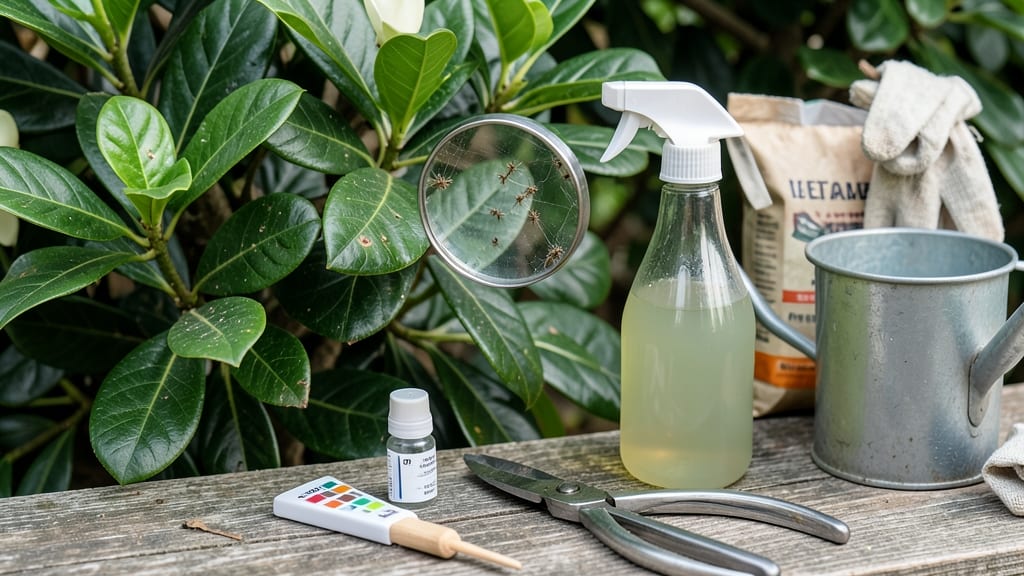
Your gardenia’s glossy leaves are turning into a sad, spotted mess—and I’ve seen the exact gardenia leaf problems ruin perfectly healthy plants. 🌿 The good news? Copper spray isn’t just a cure; it’s a game-changer for fungal diseases like leaf spot, which cause those ugly brown patches and yellowing edges.
Most gardeners panic when they spot the first signs, but the fix is simpler than you’d think. Start by pruning away the worst-affected leaves (sterilize your shears with rubbing alcohol first), then apply a copper fungicide spray every 7-10 days until new growth appears.
The key is consistency—skipping treatments lets the fungus win. Within 2-3 weeks, you’ll see fresh, vibrant leaves pushing through, and the plant will bounce back stronger than before. The copper works by disrupting the fungus’s cell walls, so it stops spreading while your gardenia recovers.
For serious cases, combine the spray with neem oil (mix 1 tsp per quart of water) to tackle stubborn infections. Prevention is easy: water at the base, avoid overhead sprinklers, and prune for airflow—your gardenia will thank you with bold, fragrant blooms all season.
Root Causes Of Leaf Stress
Gardenia leaves develop problems when their delicate balance of care is disrupted. Understanding the science behind these issues helps you address them effectively. Below, we break down the key culprits—from environmental stressors to biological threats—and explain why they trigger leaf damage.
Gardenia thrives in warm, humid conditions (65–75°F / 18–24°C), but deviations throw its systems into chaos. When temperatures drop below 50°F (10°C) or spike above 90°F (32°C), the plant’s metabolic processes slow or overheat, leading to:
- Chlorosis (yellowing): Cold stress disrupts chlorophyll production, causing leaves to bleach. Why? Low temps damage cell membranes in mesophyll tissues, where photosynthesis occurs.
- Leaf scorch (brown edges): Heat stress triggers oxidative damage in leaf cells, breaking down pigments and proteins. Why? High temps increase ethylene production, a plant hormone that accelerates cell death.
- Wilting without drought: Extreme humidity swings (e.g., dry air from AC or heaters) force stomata (pores) to close, halting water uptake. Why? The plant’s transpiration rate crashes, causing temporary dehydration.
Pro Tip: 🌡️ Use a hygrometer to monitor humidity—ideal levels are 50–70%. Group gardenias together to create a microclimate, or use a pebble tray with water to boost humidity.
Gardenia roots are sensitive to waterlogging because they require aerated soil to breathe. When soil stays soggy, three problems emerge:
- Root rot (Phytophthora): Fungal pathogens thrive in waterlogged soil, clogging root cells and blocking nutrient uptake. Why? Anaerobic conditions (no oxygen) trigger ethylene accumulation, signaling the plant to shed leaves.
- Nutrient leaching: Excess water washes away magnesium, calcium, and potassium—key minerals for leaf structure. Why? These cations are positively charged and bind loosely to soil, making them vulnerable to runoff.
- Edema (blistered leaves): When roots absorb water faster than leaves can transpire, cells swell abnormally. Why? The plant’s osmotic balance is disrupted, causing turgor pressure to build up in leaf tissues.
Pro Tip: ✨ Use a well-draining mix (50% peat/perlite, 30% pine bark, 20% sand) and terracotta pots to prevent water pooling. Water only when the top 1–2 inches of soil are dry—stick your finger in to test!
Gardenia leaves are a buffet for pathogens when conditions are right. The two most common offenders are:
| Pathogen | Why It Attacks | Leaf Symptoms |
|---|---|---|
| Anthracnose (Colletotrichum) | Thrives in warm (75–85°F), humid (80%+) conditions. Spores land on leaves and penetrate via stomata or wounds. | Dark, sunken spots with yellow halos; leaves may drop prematurely. |
| Bacterial Leaf Spot (Xanthomonas) | Spreads via water splashes or contaminated tools. Bacteria clog xylem vessels, starving leaves of water. | Water-soaked lesions that turn brown and crinkly; ooze when wet. |
| Powdery Mildew (Oidium) | Loves low light + high humidity. Fungal hyphae smother stomata, blocking gas exchange. | White, powdery coating on upper leaves; yellowing underneath. |
Pro Tip: 💡 Prevent spread by:
- Removing infected leaves immediately (don’t compost them!).
- Spraying leaves with neem oil (2%) weekly in humid seasons.
- Avoiding overhead watering—use drip irrigation instead.
Gardenia leaves scream for help when their diet is off. The most critical imbalances are:
- Magnesium deficiency: Causes interveinal chlorosis (yellowing between veins). Why? Magnesium is the center of chlorophyll molecules—without it, photosynthesis grinds to a halt.
- Iron deficiency: Leads to yellowing new growth (even veins). Why? Iron is needed to produce cytochromes, enzymes that transfer energy during photosynthesis.
- Excess salt (from tap water or fertilizers): Causes leaf tip burn. Why? High sodium/cloride levels displace calcium in cell walls, leading to osmotic stress.
Pro Tip: 📊 Test soil pH (ideal: 5.5–6.5). Gardenias need chelated iron if soil is alkaline—try Epsom salt (1 tsp/gallon) for magnesium fixes. Flush soil every 3 months to prevent salt buildup.
Sap-sucking pests like spider mites, scale, and aphids don’t just feed—they inject toxins and block stomata, causing:
- Stippling (tiny white/yellow dots): Spider mites pierce cells, releasing saliva that triggers oxidative stress.
- Sticky honeydew + sooty mold: Aphids excrete honeydew, a sugar-rich film that ferments on leaves, creating a black fungal layer blocking light.
- Curling or puckering: Scale insects anchor to leaf undersides, disrupting water transport and causing phytohormone imbalances.
Pro Tip: 🔥 Blast pests off with a strong spray of water (mites hate humidity!). For severe cases, use insecticidal soap (1 tsp per quart of water) or horticultural oil in dormant seasons.
Quick Fixes for Healthy Gardenia Leaves
Reviving your gardenia’s lush foliage starts with targeted care—whether it’s battling fungal infections, pests, or nutrient deficiencies. Below, we break down practical solutions for each common issue, from immediate fixes to long-term prevention. Follow these steps to restore your plant’s vibrancy without guesswork.
Problem: Brown spots, yellowing, or crusty patches on leaves? Fungal diseases thrive in damp, humid conditions and can spread fast if ignored.
1️⃣ Clean Up the Damage 🧹
- Remove affected leaves with sterilized pruners (wipe with rubbing alcohol between cuts).
- Dispose of debris in the trash—not your compost bin—to prevent reinfection.
- Pro tip: 💡 Water the soil, not the leaves, to reduce moisture on foliage.
2️⃣ Apply a Fungicide 🍄
Copper-based sprays (like copper fungicide or homemade versions with copper sulfate) are the gold standard for gardenias.
Follow label instructions for dilution. - Neem oil spray (1 tsp neem oil + 1 quart water + a drop of dish soap) is a natural alternative. Spray early morning to avoid burning leaves in sunlight. - Reapply every 7–10 days until new growth appears.
3️⃣ Improve Airflow & Light 🌬️☀️
- Prune overcrowded branches to enhance airflow.
- Move to brighter light (gardenia loves morning sun + afternoon shade).
- Space plants 3–4 feet apart if growing multiple gardenias.
🔥 Prevention Tips:
- Water at the base (avoid overhead watering).
- Avoid wetting leaves during rain or irrigation.
- Mulch around the base (2–3 inches of organic mulch) to regulate soil moisture.
Problem: Sticky leaves, tiny webs, or white cottony clusters? Pests weaken gardenias by sucking sap and spreading diseases.
1️⃣ Isolate & Inspect 🔍
- Check the undersides of leaves (pests love hiding there).
- Quarantine affected plants to prevent spreading to others.
2️⃣ Blast Off Pests 💦
- Spider mites? Spray with water to knock them off, then apply insecticidal soap (1 tbsp per quart of water).
- Mealybugs/scale? Wipe off with a cotton swab dipped in rubbing alcohol (70% isopropyl).
For heavy infestations, use horticultural oil (follow package directions). - Pro tip: 🌡️ Increase humidity (mist leaves daily) to deter spider mites—these pests thrive in dry air.
3️⃣ Encourage Natural Predators 🐞
- Ladybugs and lacewings eat aphids and mites. Buy them online or attract them with dill or fennel plants nearby.
- Release beneficial nematodes (for soil-dwelling pests) if you suspect root issues.
✨ Prevention Tips:
- Inspect new plants before bringing them home.
- Avoid over-fertilizing (weak plants attract pests).
- Use reflective mulch (like aluminum foil) to deter crawling insects.
Problem: Pale, yellowing leaves or stunted growth? Your gardenia might be hungry—or thirsty.
1️⃣ Test Your Soil 📊 - pH matters! Gardenias love acidic soil (5.0–6.5).
Test with a soil kit or send a sample to a local extension office. - Amend soil if needed: - Too alkaline? Mix in sphagnum peat moss or pine needles. - Too acidic? Add lime (calcium carbonate) sparingly.
2️⃣ Feed the Right Way 🍽️
- Use a balanced fertilizer (like 6-6-6 or 10-10-10) diluted to half strength every 4–6 weeks in spring/summer.
- For iron deficiency (yellow leaves with green veins)? Use chelated iron or Epsom salt (1 tbsp per gallon of water, spray on leaves).
- Pro tip: 💪 Avoid high-nitrogen fertilizers in winter—they promote leafy growth but weaken blooms.
3️⃣ Check Watering Habits 💧
- Overwatering? Let the top 1–2 inches of soil dry out between waterings.
- Underwatering? Yellow edges on leaves? Water deeply until it drains from the bottom.
- Use well-draining soil (mix garden soil + perlite + peat moss).
🎯 Prevention Tips:
- Mulch annually to retain moisture and nutrients.
- Fertilize lightly in fall to prepare for next year’s blooms.
- Monitor leaves—early yellowing is easier to fix than severe deficiency!
If more than 50% of leaves are affected:
- Prune back severely to encourage new growth.
- Repot in fresh, sterile soil if root rot or pests are suspected.
- Move to a shaded, humid spot while it recovers.
- Avoid fertilizing until the plant shows new, healthy leaves.
Remember: Consistency is key! Gardenias bounce back faster with regular checks and proactive care. Once you spot the early signs, act quickly—your plant will thank you with glossy leaves and fragrant blooms in no time. 🌸
Frequently asked questions about gardenia leaf problems
Why are my gardenia leaves turning yellow with green veins?
This classic sign usually means iron deficiency. Gardenias need acidic soil (pH 5.5-6.5) to absorb iron properly. Try spraying chelated iron or Epsom salt solution (1 tbsp per gallon of water) directly on leaves every 2 weeks. Test your soil pH—if it's too alkaline, amend with peat moss.
What causes those ugly brown spots with yellow edges on my gardenia leaves?
Those are likely fungal leaf spots (like anthracnose) thriving in humid conditions. Prune affected leaves immediately with sterilized shears, then apply copper fungicide every 7-10 days until new growth appears. Avoid overhead watering and improve airflow by spacing plants 3-4 feet apart.
My gardenia leaves are curling and sticky—what's attacking it?
Sticky leaves mean aphids or scale insects are sucking sap and leaving honeydew. Wipe pests off with a damp cloth dipped in rubbing alcohol, then spray with insecticidal soap (1 tbsp per quart of water). For stubborn cases, use horticultural oil in dormant seasons. Increase humidity by misting leaves daily to deter spider mites.
Can I save my gardenia if half its leaves are completely brown and crispy?
Yes, but act fast! Prune back all dead leaves with clean shears, then repot in fresh, sterile soil to prevent root rot. Move to a shaded, humid spot while it recovers, and avoid fertilizing until you see new growth. The plant will focus energy on regrowing leaves rather than blooms during recovery.
How often should I fertilize my gardenia to prevent leaf problems?
Feed with a balanced fertilizer (6-6-6 or 10-10-10) diluted to half strength every 4-6 weeks during spring/summer only. In fall, switch to a low-nitrogen fertilizer to encourage blooms. Over-fertilizing causes leaf burn and attracts pests—always water thoroughly after applying fertilizer to prevent salt buildup.