
Size
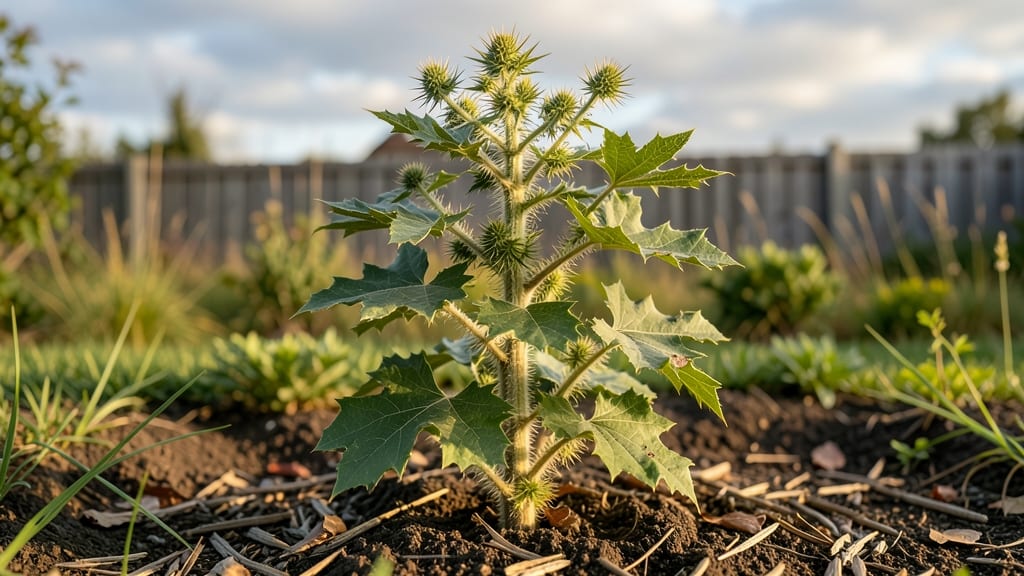
Those giant broadleaf weeds stealing your garden's spotlight? 🌱 I've battled dock, plantain, and bindweed for years, and I'll show you how to reclaim your space without resorting to harsh chemicals.
The key difference between these invaders and your prized plants starts with their leaves—dock has arrow-shaped blades, plantain forms a rosette, and bindweed twines aggressively. Most store-bought weed killers fail because they don't reach the deep roots these giants develop.
I've found that a combination of manual removal, targeted sprays, and smothering techniques works best—especially when you catch them early. Grab your gloves and let's tackle this head-on before they crowd out your tomatoes and peppers. You'll end up with a garden where your intended plants thrive, not just survive.
The secret lies in understanding each weed's growth cycle and attacking at the right moment—whether that's pulling young shoots or cutting mature stems at ground level. Prevention becomes easier once you know their habits. Works for vegetable gardens, flower beds, and even lawn edges.
Let's get those weeds under control for good!
Understanding Root Causes
If your garden is overrun by tenacious broadleaf invaders, the first step to reclaiming it is understanding why these weeds thrive in the first place. These plants don’t just appear—they exploit specific conditions in your soil, climate, and landscape.
Below, we break down the key reasons these weeds take over, so you can address the problem at its source.
Giant broadleaf weeds often flourish in nutrient-rich, disturbed, or compacted soil. Here’s why:
- Excess nitrogen: Weeds like dandelions, creeping Charlie, and broadleaf plantains thrive in soils high in nitrogen—often a result of over-fertilizing lawns or using synthetic fertilizers. While your grass may grow lush, these weeds get a head start.
- Lack of competition: If your lawn or garden has bare patches (from drought, foot traffic, or poor seeding), weeds fill the gaps quickly. They germinate faster than grass seeds and outcompete slower-growing plants.
- Compacted soil: Heavy foot traffic, machinery, or clay-heavy soils prevent water and air from reaching grass roots. Weeds, with their shallow but aggressive root systems, dominate instead.
Actionable fix: Conduct a soil test to check pH and nutrient levels. Amend soil with organic matter (compost, peat moss) to improve structure and reduce compaction. Overseed thin areas with a dense, competitive grass variety to starve out weeds.
Watering too much, too little, or at the wrong times creates the perfect conditions for broadleaf weeds. Here’s how:
- Overwatering: Weeds like henbit and chickweed love moisture. Frequent, shallow watering keeps the topsoil damp, encouraging weed seeds to germinate. Unlike grass, which has deeper roots, many weeds thrive in saturated surface layers.
- Underwatering: Drought-stressed grass weakens, leaving gaps for weeds to invade. Some broadleaf species (like purslane) are drought-tolerant and actually prefer dry conditions once established.
- Late-day watering: Watering after sunset keeps foliage wet overnight, increasing the risk of fungal diseases in grass while giving weeds a survival advantage.
Actionable fix:
- Water deeply but infrequently (1–1.5 inches per week) to encourage deep grass roots.
- Use drip irrigation or soaker hoses to target grass roots, not weeds.
- Water early morning (4–8 AM) to allow foliage to dry before evening.
Broadleaf weeds are opportunistic sunlight lovers. They exploit areas where grass struggles to grow:
- Too much shade: Thick tree canopies or dense shrubbery block sunlight, weakening grass. Weeds like ground ivy (Glechoma hederacea) and clover thrive in low-light conditions where grass can’t survive.
- Partial shade: Areas under dappled sunlight (e.g., near fences or young trees) create microclimates where weeds germinate while grass remains stunted.
- Edge effects: The transition zones between lawns, driveways, and flower beds often receive uneven light, giving weeds like bindweed a competitive edge.
Actionable fix:
- Select shade-tolerant grass varieties (e.g., fine fescue) for low-light areas.
- Thin out overgrown shrubs or trees to improve airflow and sunlight penetration.
- Apply pre-emergent herbicides in early spring to prevent weed seeds from germinating in high-risk zones.
Neglecting basic lawn care creates an open invitation for broadleaf weeds. Common oversights include:
- Infrequent mowing: Tall grass shades the soil, keeping it cool and moist—ideal for weed seeds. Mowing too short (below 2–3 inches) stresses grass, making it vulnerable.
- Skipping aeration: Compacted soil prevents grass roots from accessing nutrients and water. Weeds exploit these gaps with shallow, aggressive roots.
- Ignoring thatch buildup: A thatch layer thicker than ½ inch blocks water and air, smothering grass while creating a cozy environment for weed seeds.
- No overseeding: Thin or bare patches allow weeds to establish before grass can fill in.
Actionable fix:
- Mow at 3–4 inches to shade out weeds and encourage deep roots.
- Aerate and overseed in early fall to repair thin areas.
- Dethatch annually if the layer exceeds ½ inch.
- Apply a slow-release, organic fertilizer in spring and fall to promote dense grass growth.
By addressing these root causes—soil health, watering habits, light exposure, and maintenance—you’ll create an environment where grass outcompetes weeds naturally. The key is consistency: small, proactive steps yield long-term results.
How to Fix Stubborn Overgrowth
Tackling giant broadleaf weeds requires a mix of precision, persistence, and the right tools. Whether they’re crowding out your garden, choking your lawn, or making your yard look unkempt, these invasive plants won’t surrender without a fight.
But with the right approach, you can reclaim your space—without resorting to harsh chemicals or backbreaking labor. Below, we break down solutions by cause, so you can target the root of the problem (literally) and keep these weeds from staging a comeback.
If your lawn is a battleground of broadleaf invaders, the key is to starve them out while giving grass a fighting chance. These methods work best for established weeds with deep roots.
🔥 Step 1: Identify and Isolate
- Pull weeds early in the morning when soil is moist (but not muddy).
- Use a dandelion weeder or a sturdy fork to dig out the entire root—breakage = regrowth.
- Pro tip: Wear gloves! Giant broadleaf weeds (like dandelions or plantain) often have sap that irritates skin. 🧤
🍳 Step 2: Mulch or Smother
- Cardboard + Mulch: Lay down wet cardboard (ink-free!) over bare spots, then top with 2–3 inches of mulch. This blocks sunlight and kills weeds in 4–6 weeks. 📄🌿
- Landscape Fabric: For larger areas, use a breathable fabric to suppress weeds while letting grass breathe. Secure edges with rocks or soil.
- Heavy-Duty Plastic: For extreme cases, cover the area with clear plastic for 4–8 weeks in hot sun. (Check local rules—some areas restrict this.)
👨🍳 Step 3: Feed Your Grass
- After clearing weeds, overseed bare patches with dense, competitive grass (like tall fescue or perennial ryegrass).
- Fertilize lightly with high-nitrogen fertilizer to encourage grass growth—thick turf = fewer weed gaps. 🌱✨
Garden beds demand a gentler touch—you don’t want to harm your prized plants while battling weeds. These methods focus on selective removal and preventive barriers.
🔪 Step 1: Hand-Pull with Care
- Use a hula hoe or weeding knife to slice weeds at the base (great for lamb’s quarters or purslane).
- For deep-rooted weeds (like bindweed), dig in a 12-inch radius to avoid regrowth.
- Pro tip: Add a drop of vinegar + dish soap to a spray bottle for a natural weed killer on young shoots. 🍶🌡️
🏗️ Step 2: Install Physical Barriers
- Straw or Wood Chips: Apply a 3-inch layer around plants to block sunlight and deter weeds.
- Landscape Edging: Use metal or plastic edging to contain mulch and keep weeds from creeping in.
- Living Mulch: Plant creeping thyme or clover between garden rows—they suppress weeds naturally while adding beauty. 🌿🎯
⏰ Step 3: Stay Ahead with Regular Maintenance
- Weekly Weeding: Spend 10–15 minutes weekly pulling weeds before they seed.
- Boiled Water Treatment: Pour boiling water directly on weed roots (avoid desired plants!). Works best for small weeds in cracks. ☕🔥
- Corn Gluten Meal: Sprinkle this organic pre-emergent in early spring to prevent weed seeds from germinating. 🌾
Concrete and pavement provide the perfect home for weeds to crack through. Here’s how to seal the deal and keep them out.
🛠️ Step 1: Fill and Seal Gaps
- Use crack filler or concrete patch to seal small cracks before weeds take root.
- For larger gaps, consider expanding foam or asphalt emulsion for a long-term fix. 🛠️💥
🔥 Step 2: Apply Herbicide Strategically
- Spot-Treat with Glyphosate: For stubborn weeds like nutsedge, use a targeted application of glyphosate (follow label instructions carefully).
- Vinegar + Salt Spray: Mix 1 gallon vinegar + 1 cup salt + 1 tbsp dish soap for a non-selective weed killer (use sparingly—it kills plants too!). 🧂🍶
- Warning: Avoid salt near plants—it can damage soil over time.
🛡️ Step 3: Prevent Future Growth
- Driveway Sealant: Apply a polyurethane sealant every 2–3 years to create a weed-proof barrier.
- Gravel or Rubber Mulch: Replace soil in cracks with coarse gravel or rubber mulch to deter weeds. 🪨🔄
- Pre-Emergent Granules: Sprinkle pendimethalin-based granules in spring to stop weed seeds before they sprout.
An ounce of prevention is worth a pound of weeding. These habits will make your yard weed-resistant over time:
- Mulch religiously: A 3-inch layer of mulch (wood chips, straw, or pine needles) blocks 80% of weed growth. Refresh annually. 🌲
- Water deeply but infrequently: Shallow watering encourages weed seeds to germinate. Aim for 1 inch per week to promote deep grass roots. 💦
- Encourage beneficial insects: Ladybugs and ground beetles eat weed seeds. Plant marigolds or clover to attract them. 🐞✨
- Test your soil: Weeds thrive in poor soil. Add compost or worm castings to improve health and outcompete invaders. 🌱📊
- Mow high: Keep lawns at 3–4 inches—taller grass shades out weed seeds. 🌾
With these targeted strategies, you’ll not only eliminate giant broadleaf weeds but also prevent them from making a comeback. The key? Consistency. Weeds don’t give up easily—neither should you! 💪
Frequently asked questions
How can I tell if my giant broadleaf weed is dock, plantain, or bindweed?
Check the leaf shape and growth pattern: dock has arrow-shaped leaves with jagged edges, plantain forms a low rosette with broad, oval leaves, and bindweed has heart-shaped leaves that twine aggressively around other plants. Dock leaves also have a slightly waxy texture, while plantain leaves feel smooth.
Will vinegar kill giant broadleaf weeds permanently?
Vinegar works best on young weeds, but it’s rarely permanent for mature giant broadleaf species. For a 90% acetic acid vinegar solution, mix equal parts vinegar and water with a drop of dish soap. Reapply every 3-5 days for stubborn weeds like dock. For deeper roots, combine with manual removal for best results.
Can I use corn gluten meal to prevent these weeds from coming back?
Apply 20 pounds per 1,000 sq ft in early spring before weeds germinate. It won’t kill existing weeds but prevents new seeds from sprouting. Reapply every 3 months for continuous protection. Works best in garden beds where you want to avoid chemicals.
Why do my giant broadleaf weeds keep growing back after pulling?
You likely missed part of the root system. For weeds like dock or plantain, dig down 6-8 inches deep to ensure complete removal. If you see regrowth, treat the area with a boiling water solution or targeted herbicide. Breakage = regrowth—always pull when soil is moist for easier extraction.
Are there any natural predators that can help control these weeds?
Yes! Ladybugs and ground beetles eat weed seeds, while certain caterpillars target broadleaf plants. Plant marigolds or clover to attract these beneficial insects. For dock specifically, some beetles feed on its leaves. Create a diverse garden ecosystem to encourage natural weed control.