
Pruning
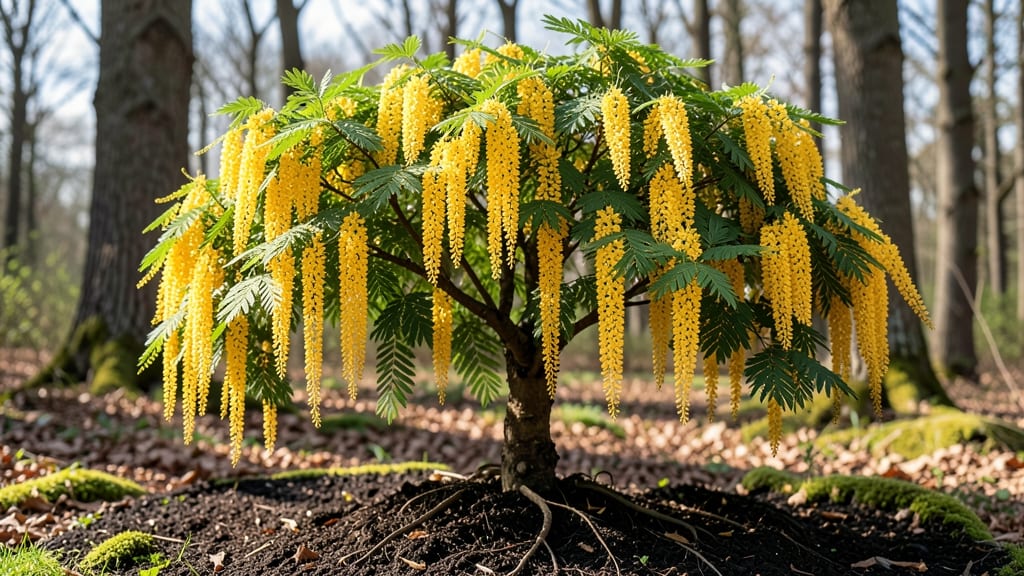
Pruning a gold leaf tree transforms it from a simple shrub into a year-round showstopper with cascading golden foliage. 🌿 I learned the hard way that aggressive pruning early on can strip away its natural charm—now I focus on strategic cuts that encourage dense, vibrant growth while keeping the tree's graceful shape.
The key is timing: prune lightly after flowering to shape, and do a light cleanup in late winter to remove dead branches before new growth begins.
You'll need basic tools: sharp pruning shears for clean cuts, gloves to protect from thorns (if growing Laburnum), and a ladder if your tree is taller than 6 feet.
The goal is to open up the center for airflow and sunlight while maintaining an upright, slightly weeping silhouette that catches light beautifully. Most gardeners avoid heavy pruning—just a 10-15% annual reduction keeps the tree healthy without sacrificing its signature golden hue.
What you end up with is a tree that glows like liquid gold in every season—spring blooms, summer foliage, and autumn's fiery tones. The pruning creates airy branches that let light filter through, making it perfect for garden focal points or as a striking contrast against dark evergreens.
My tree now gets compliments year-round, and the minimal maintenance makes it a low-stress beauty for busy gardeners.
Works equally well in containers (for patios) or as a specimen plant in sunny borders. The same principles apply whether you're shaping a young tree or refreshing an older one—just adjust the intensity based on age and growth rate.
Here's how to get those precision trims right without losing the magic.
📚 In This Guide
- What you need
- Instructions
- Tips and common mistakes
- Wrapping up and next steps
What you need
- ● Before you dive into sculpting your gold leaf tree into a stunning year-round masterpiece, gather these essentials to ensure a smooth and successful pruning session:
Step-by-step guide to pruning your gold leaf tree for year-round drama
Here's how I keep my gold leaf tree's foliage vibrant and structured—no guesswork, just precise cuts.
✂️ Step 1: Clean Your Tools and Assess the Tree
Start by sterilizing your pruning shears with rubbing alcohol to prevent spreading disease. I always do this before touching any plant—it's a habit that saves trees. Examine your gold leaf tree for dead, diseased, or crossing branches. These are your first targets. You'll notice dead branches easily—they're brown, brittle, and snap instead of bending.
Look for branches growing inward or rubbing against others. These create wounds that invite pests and disease. Mark them with a small piece of tape if you're unsure which to remove first. The goal here is to open up the canopy so light reaches all the golden foliage. I like to step back and photograph the tree before I start—it helps visualize the final shape.
✂️ Step 2: Remove Dead and Problem Branches First
Make your first cuts at a 45-degree angle about ¼ inch above an outward-facing bud or lateral branch. This angle helps water run off the cut instead of pooling. For larger branches over ½ inch thick, use loppers and cut just outside the branch collar—the swollen area where the branch meets the trunk. Never leave stubs; they rot and attract pests.
If a branch is diseased, cut back to 6 inches below the last healthy leaf. Bag and dispose of infected material immediately. You'll see fresh green tissue where healthy growth begins—this is your guide for where to stop cutting. For crossing branches, remove the weaker one at its base. The stronger branch will have thicker growth and more vibrant foliage.
✂️ Step 3: Shape for Balance and Light Penetration
Now focus on shaping. Step back and imagine the tree as a pyramid or vase shape, depending on its natural growth habit. Gold leaf trees respond well to gradual shaping, so remove no more than 25% of the foliage in one session. Start at the bottom and work upward—this prevents over-pruning and maintains the tree's structure.
Cut back overgrown branches to just above a leaf node where new growth will emerge. You'll see small buds or leaf scars—these are your target points. For long, leggy branches, shorten them by ⅓ to encourage bushier growth. Avoid cutting into old wood; new growth comes from current-season wood. After each cut, wipe your shears with alcohol to keep them sterile.
✂️ Step 4: Thin Out Dense Areas for Airflow
Look for areas where branches are too dense. These spots block airflow and light, leading to fungal issues. Thin out by removing every other branch in crowded areas, starting with the smallest ones. You're aiming for a balanced silhouette where sunlight reaches all parts of the tree. This is where your initial photograph comes in handy—compare your progress to the vision you sketched out.
Pay special attention to the inner canopy. Gold leaf trees often develop sparse growth in shaded areas. By thinning, you'll encourage new shoots to fill these gaps. After thinning, the tree should look like it has open, airy layers rather than a solid wall of foliage. This step is crucial for maintaining the tree's health and the vibrant golden color of its leaves.
🌿 Step 5: Finish with Light Trims and Cleanup
Make final adjustments by trimming any branches that disrupt the overall shape. Use your shears to nip off the tips of branches that are growing too long or out of place. These small cuts encourage the tree to branch out more densely. Avoid heavy pruning in late summer or fall—this can stimulate tender new growth that won't harden off before winter.
Clean up all fallen debris and dispose of it properly. Rake up leaves and small branches, and compost them if they're disease-free. Wipe down your tools with alcohol one last time and store them in a dry place. Your gold leaf tree should now have a balanced, open structure that allows light to penetrate and air to circulate freely. This sets the stage for lush, golden foliage all year round.
Tips & tricks for perfect gold leaf tree pruning
These precision-focused tips will help you transform your gold leaf tree into a showstopping centerpiece with professional-level results.
Branch Angle Precision: When making cuts at a 45-degree angle in Step 2, visualize the cut as a small roof that naturally channels water away from the wound. For branches thicker than ½ inch, use loppers to cut just outside the branch collar—the swollen ridge where the branch meets the trunk. This precise cut prevents unsightly stubs that can trap moisture and invite disease. I've seen too many trees develop rot from improper cuts, so take your time here.
Seasonal Timing Strategy: Late winter or early spring is ideal for pruning your gold leaf tree, right before new growth begins. This timing allows the tree to heal before summer heat stress. Avoid heavy pruning in late summer or fall as it can stimulate tender new growth that won't harden off before winter. For minor shaping, you can do light trims throughout the growing season, but never remove more than 25% of foliage in any single session.
Visualization Technique: Before making any cuts, step back and photograph your tree from multiple angles. This pre-pruning documentation becomes your reference point during the process. Look for symmetry and imagine how light will penetrate after thinning. I've found that trees pruned with this visual approach maintain their golden foliage vibrancy for months longer than those pruned randomly.
Disease Prevention: Always sterilize your tools between cuts using rubbing alcohol, especially when dealing with diseased branches. For infected material, bag and dispose of it immediately rather than composting. The golden leaves of your tree are its most valuable feature—protecting against disease ensures that vibrant color stays intact year-round. I've had to replace trees that were compromised by improper disposal of infected branches.
Pro Tips for Gold Leaf Tree
- These precision-focused tips will help you transform your gold leaf tree into a showstopping centerpiece with professional-level results.
- Branch Angle Precision: When making cuts at a 45-degree angle in Step 2, visualize the cut as a small roof that naturally channels water away from the wound.
- Seasonal Timing Strategy: Late winter or early spring is ideal for pruning your gold leaf tree, right before new growth begins.
Frequently asked questions
Got questions about keeping your gold leaf tree (Laburnum anagyroides) looking its best? You’re in the right place! Here are answers to the most common queries—from pruning timing to troubleshooting—so you can master the art of year-round drama with your tree.
When is the best time to prune a gold leaf tree?
Prune your gold leaf tree right after flowering (late spring to early summer) to encourage fresh growth and vibrant foliage. Avoid heavy pruning in fall or winter, as it can stress the tree. Light shaping in late winter (before buds swell) is fine, but never prune during dormancy—it risks dieback. Pro tip: If you must prune later, do so sparingly to avoid sacrificing next year’s blooms!
How much can I trim back a gold leaf tree without harming it?
You can safely remove up to 25-30% of the tree’s foliage in one session, but avoid over-pruning. Gold leaf trees are resilient but respond best to gradual shaping. Focus on dead, diseased, or crossing branches first, then thin out crowded areas. Never remove more than 1/3 of the canopy—this can weaken the tree or reduce flowering. For dramatic changes, spread pruning over 2-3 years!
Why is my gold leaf tree dropping leaves unexpectedly?
Sudden leaf drop is often a sign of stress, which could stem from over-pruning, underwatering, or pests like spider mites. Check for yellowing leaves (nutrient deficiency) or sticky residue (aphids). If pruning was recent, the tree may be recovering—give it time. Water deeply and mulch to retain moisture. If pests are the culprit, treat with neem oil or insecticidal soap. Act fast: Healthy soil and consistent care prevent most issues!
Are there alternatives to gold leaf trees with similar golden foliage?
If you love the golden drama but want low-maintenance options, consider these stunning alternatives:
- Golden Rain Tree (Koelreuteria paniculata): Fast-growing with golden fall foliage and fragrant blooms.
- Forsythia (Forsythia × intermedia): Early spring yellow blooms, easy to prune.
- Golden Privet (Ligustrum × vicaryi ‘Aureum’): Dense, glossy golden leaves, great for hedges.
- Japanese Maple (Acer palmatum ‘Aureum’): Delicate lace-like leaves with golden hues.
Can I prune a gold leaf tree in hot or cold weather?
Avoid pruning during extreme temperatures—both heatwaves and hard frosts stress the tree. Ideal conditions are cool, overcast days (60–75°F). Pruning in direct sun or freezing temps can shock the tree, slow healing, or invite disease. If you must prune in summer, do it early morning or late evening to minimize stress. Winter pruning? Only light maintenance—never heavy cuts!
Wrapping up and next steps
The gold leaf tree is a stunning addition to any landscape, and with the right pruning techniques, you can keep its vibrant foliage thriving year-round! Remember, timing, tools, and technique are your best friends—whether you're shaping for aesthetics, encouraging bushier growth, or maintaining health. 🌿
Now that you’re armed with expert tips, grab those shears and get pruning! Start small, observe your tree’s response, and adjust as needed. Happy trimming—your gold leaf tree will thank you with show-stopping drama all season long. 🌟