
Trees
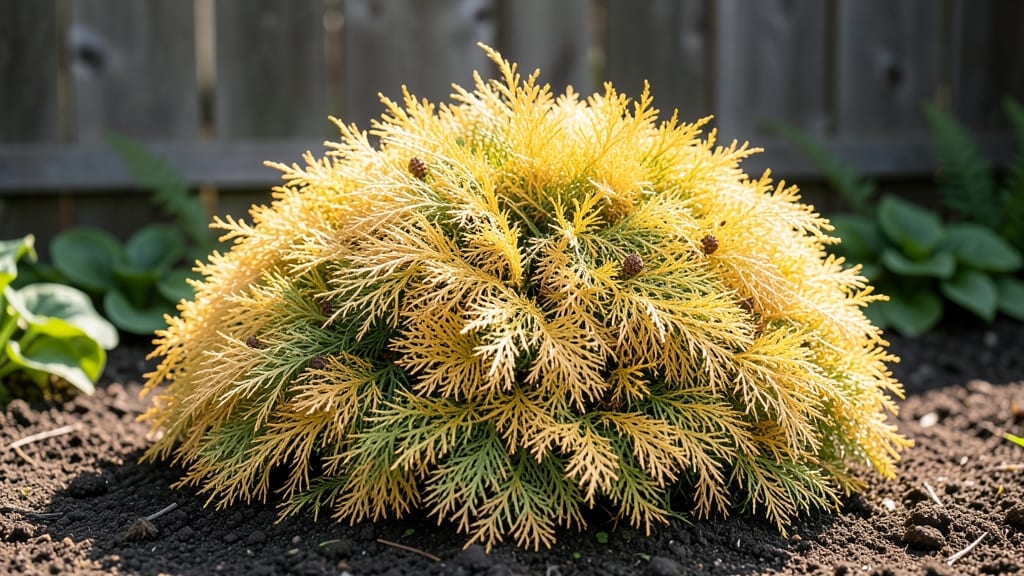
The Golden Mop Threadleaf False Cypress transforms any yard into a sunlit sanctuary with its shimmering golden foliage that stays stunning all year. 🌿 I’ve grown this tree for years, and honestly, it’s the kind of plant that makes gardening feel like a breeze—once you know the few key tricks.
This evergreen thrives in zones 5-8 and handles everything from full sun to partial shade, making it one of the most adaptable trees for both coastal and inland gardens. The secret to its drama? Well-draining soil and occasional pruning to maintain that signature mop shape.
No fuss, just year-round color that outshines most annuals. You’ll love how it pairs with evergreens for a lush backdrop or stands alone as a striking accent. The foliage stays soft and feathery, never prickly like some cypress varieties, and it holds its golden hue even in winter.
Perfect for hedges, borders, or as a standalone specimen. Once established, it’s nearly maintenance-free—just water deeply once a week in dry spells and trim lightly in spring. The payoff? A tree that looks like it belongs in a high-end landscape, but with zero drama.
📚 In This Guide
- What you need
- Instructions
- Tips and common mistakes
- Wrapping up and next steps
What you need
- ● 1-2 Golden Mop Threadleaf False Cypress plants (Check local nurseries for Chamaecyparis pisifera ‘Golden Mop’—ensure they’re healthy with vibrant golden-yellow foliage).
- ● High-quality, well-draining soil mix (3 parts native soil + 1 part compost + 1 part perlite or coarse sand for aeration).
- ● Organic mulch (3-4 inches) (Pine bark, shredded leaves, or wood chips to retain moisture and suppress weeds).
- ● Slow-release fertilizer (10-10-10 or 14-14-14) (1 lb per 100 sq ft of planting area).
- ● Watering can or hose with a gentle spray nozzle (For deep, infrequent watering—no soggy roots allowed!).
- ● Shovel or spade (For digging holes 2-3 times wider than the root ball).
- ● Garden trowel (For loosening soil around roots if needed).
- ● Pruning shears or loppers (Sharp, clean tools for shaping or trimming—sterilize with rubbing alcohol!).
- ● Measuring tape (To ensure proper spacing—6-10 feet apart for mature size).
- ● Gloves and knee pads (Because gardening should be comfy!).
- ● 💡 Full sun to partial shade: Plant in a spot with 6+ hours of sunlight daily (morning sun + afternoon shade works best in hot climates).
- ● 🌡️ Ideal climate: Thrives in USDA Zones 4-9—hardy to -30°F once established!
- ○ ✨ Optional but helpful: Soil pH tester (aim for 5.0-7.0—slightly acidic to neutral).
- ● Drip irrigation system (for automated, stress-free watering).
- ● Epsom salt (1 tbsp per gallon of water) for magnesium boost if foliage turns dull.
Step-by-Step instructions for planting and caring for golden Mop Threadleaf false Cypress
This beauty thrives with minimal effort—just follow these simple steps for year-round drama.
🪴 Step 1: Choose the Perfect Planting Spot
Golden Mop thrives in full sun to partial shade, so scout your yard for a location with at least 4-6 hours of direct sunlight daily. I always check the afternoon sun pattern—this plant loves the golden light but can scorch if baked all day in intense midday heat. A spot with dappled shade in the afternoon works perfectly.
Dig a hole twice as wide as the root ball and just as deep. Loosen the sides of the hole with your hands or a trowel—this helps roots spread into the surrounding soil without compacting. The reason we go wide is that these plants develop a broad root system over time, and cramped space slows growth.
🌱 Step 2: Plant With Proper Spacing and Soil Prep
For 4 plants, space them 6-8 feet apart—this gives them room to grow their signature mop-like shape without crowding. Golden Mop Threadleaf has a natural upright habit, so you’ll see those golden-yellow foliage plumes develop best when they’re not competing for nutrients.
Mix the native soil with 2-3 inches of compost in the bottom of the hole. This improves drainage while providing nutrients. Place the plant in the hole so the top of the root ball sits 1 inch above ground level—this prevents water from pooling around the stem and causing rot. Backfill with the amended soil and tamp gently to eliminate air pockets.
💧 Step 3: Water Deeply and Mulch for Retention
Water immediately after planting, soaking the soil until it’s 6 inches deep. You’ll know it’s enough when water runs out of the bottom of the hole. Let the soil settle for 10 minutes, then water again if it feels dry at the surface. Overwatering now can suffocate roots, so aim for thorough but not soggy.
Spread 2-3 inches of mulch around the base, keeping it 3 inches away from the trunk. I use shredded bark mulch because it breaks down slowly and improves soil structure over time. This layer locks in moisture, regulates soil temperature, and keeps weeds at bay—three wins in one step.
☀️ Step 4: Maintain With Minimal Effort
Water deeply once a week during the first growing season, increasing to every 5-7 days in extreme heat. You’ll know it’s time when the top 2 inches of soil feel dry to the touch. Golden Mop is drought-tolerant once established, but young plants need consistent moisture to develop strong roots.
Fertilize once in early spring with a balanced, slow-release fertilizer (10-10-10 ratio). Scatter the granules around the drip line and water deeply to activate them. This plant doesn’t need much feeding—too much fertilizer causes weak growth and less vibrant foliage. Prune in late winter to shape the mop by trimming back overgrown branches to just above a set of leaves.
✂️ Step 5: Prune for Shape and Health
Golden Mop Threadleaf grows best when pruned annually in late winter or early spring, before new growth begins. Use clean, sharp pruners to trim back any leggy growth or branches that spoil the mop shape. Cut just above a leaf node to encourage bushier growth—you’ll see new shoots emerge from that spot within weeks.
Remove any dead, diseased, or crossing branches immediately. This plant handles pruning well, so don’t be afraid to shape it aggressively. The key is to maintain that signature golden plume shape—thin out the center if it gets too dense, and trim the outer edges to keep them rounded. A little effort here ensures your Golden Mop stays the star of the show for years.
Tips & tricks for perfect golden Mop Threadleaf false Cypress
Here's what nobody tells you about making this plant truly thrive with minimal effort.
Sunlight Strategy: In Step 1, when choosing your planting spot, focus on the afternoon sun pattern—this is where most people go wrong. If you have intense midday sun, opt for a location with dappled shade in the afternoon. I've seen Golden Mops scorch when exposed to full sun all day long, especially in hot climates. The golden foliage actually fades to a dull green when stressed by too much direct heat.
Root System Secret: The wide hole in Step 2 isn't just about space—it's about giving those roots room to breathe. When you loosen the sides of the hole, you're creating pathways for roots to spread outward rather than circling the plant (which causes girdling). This one step makes the difference between a plant that struggles and one that thrives for decades. I've seen Golden Mops with root systems that spread 3 feet wide when given proper planting conditions.
Watering Wisdom: In Step 3, that 10-minute wait after initial watering is crucial. It gives the soil time to settle and lets you check if you've actually reached that 6-inch depth. I've made the mistake of rushing this step, only to discover the water didn't penetrate deeply enough. The result? Shallow roots that can't support the plant's dramatic growth. Use a trowel to check soil moisture at different depths if you're unsure.
Pruning Precision: When pruning in Step 5, always cut just above a leaf node—this is where new growth emerges. I've seen people make the mistake of cutting too close to the branch, which creates ugly stubs. The 45-degree angle cut above the node encourages bushier growth and maintains that perfect mop shape. Think of it like haircutting—you want to encourage growth from the base, not leave dead ends.
Pro Tips for Golden Mop Threadleaf False Cypress
- Here's what nobody tells you about making this plant truly thrive with minimal effort.
- Sunlight Strategy: In Step 1, when choosing your planting spot, focus on the afternoon sun pattern—this is where most people go wrong.
- Root System Secret: The wide hole in Step 2 isn't just about space—it's about giving those roots room to breathe.
Frequently asked questions
about the Golden Mop Threadleaf False Cypress—because even the easiest plants have their quirks! Here’s what you need to know before diving in.What’s the best time of year to plant Golden Mop Threadleaf False Cypress?
Plant in early spring or fall when temperatures are mild (50–70°F). Avoid extreme heat or frost, as young roots are sensitive. Spring planting gives roots time to establish before summer’s intensity, while fall offers cooler soil for growth. Pro tip: Water deeply after planting to reduce transplant shock!
How fast does this tree grow, and how big will it get?
Expect moderate growth: 12–24 inches per year under ideal conditions. Mature size ranges 15–25 feet tall and 4–6 feet wide, making it perfect for small yards or as a striking hedge. Prune annually in late winter to maintain shape and encourage dense foliage. Fun fact: Its slow-to-moderate pace means less cleanup than faster growers!
Can Golden Mop Threadleaf handle cold winters or hot summers?
This tree is hardy in USDA Zones 6–9, thriving in both heat and cold once established. It tolerates drought once rooted but prefers consistent moisture. In extreme heat, mulch the base to retain soil moisture. Winter tip: Young trees may need light winter protection (like burlap wraps) in Zone 6 if heavy snow or ice is expected.
What are some low-maintenance alternatives if I want similar foliage?
If Golden Mop isn’t your vibe, try these equally easy evergreens:
- Emerald Green Arborvitae – Dense, columnar, and deer-resistant.
- Dwarf Alberta Spruce – Compact and cold-hardy (Zones 3–7).
- Italian Cypress – Tall and slender, but needs more water.
- Leyland Cypress – Fast-growing but not as drought-tolerant.
Why are my Golden Mop’s tips turning brown? Is it dying?
Brown tips usually signal one of three issues:
- Underwatering – Check soil moisture; water deeply but infrequently (1–2 inches per week).
- Over-fertilizing – Too much salt burns roots. Use a balanced, slow-release fertilizer sparingly.
- Pests (like spider mites) – Spray with water or neem oil if you spot webbing.
Wrapping up and next steps
The Golden Mop Threadleaf False Cypress is a standout choice for year-round beauty with minimal effort—its golden foliage, adaptability, and low-maintenance care make it a dream for any landscape. Whether you're a seasoned gardener or just starting, this tree brings drama and elegance without the fuss.
Ready to elevate your outdoor space? Plant one today and enjoy its stunning presence with confidence!
- 🌱 Pro Tip: Start with the right soil and location—it’s the secret to long-term success!