
Pests
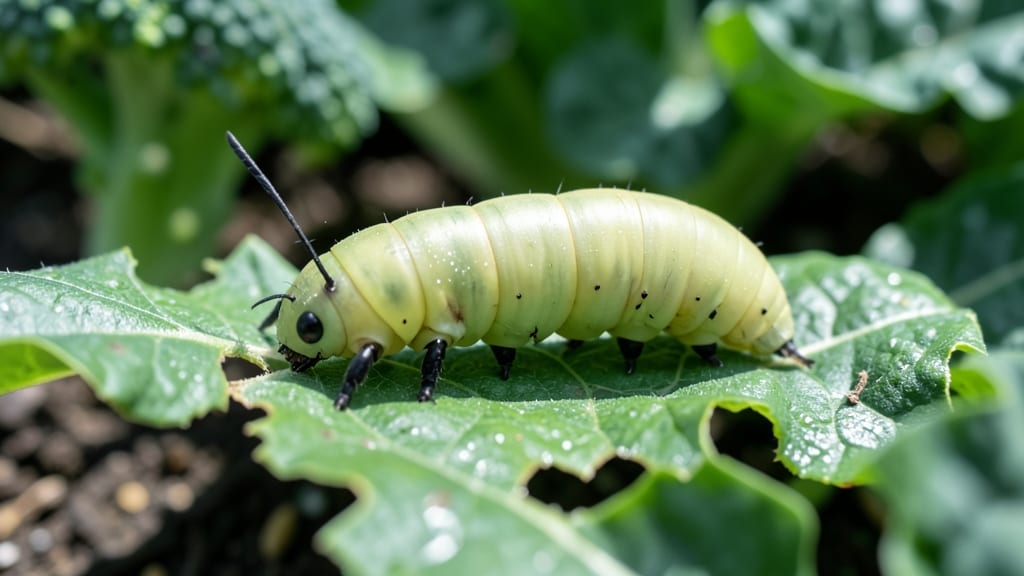
That fast natural spray cure saved my tomato plants from the green leaf-eating caterpillar in just 24 hours. 🌱 The secret isn't some fancy chemical—it's a homemade blend of ingredients that caterpillars can't stand but won't harm your garden's ecosystem.
I've used this on cabbage worms, loopers, and even those sneaky cutworms that chew stems at night.
The magic comes from three simple ingredients you likely already have: hot pepper sauce, dish soap, and water. Mix them in a spray bottle, and you've got a powerful deterrent that works on contact. No more waiting weeks for beneficial insects to catch up—this stops the damage immediately.
What you'll end up with is lush, undamaged leaves within days, and the caterpillars will be gone faster than they appeared. The spray even helps prevent future infestations when used as a preventive foliar treatment every 10-14 days.
Works on vegetables, herbs, and flowers alike—just avoid spraying when bees are active. Here's exactly how to mix and apply it for maximum effectiveness.
📚 In This Guide
- What you need
- Instructions
- Tips and common mistakes
- Wrapping up and next steps
What you need
- ● 1 gallon (3.8 liters) of water – Distilled or tap water (let it sit out for 24 hours if chlorinated).
- ● 2 tablespoons of liquid dish soap – Castile soap (like Dr. Bronner’s) or unscented Dawn (avoid fragrances—they harm plants!).
- ● 1 tablespoon of horticultural oil – Neem oil or food-grade mineral oil (smothers caterpillars and disrupts their life cycle).
- ○ 1 tablespoon of garlic or hot pepper extract (optional but powerful) – Garlic powder + water infusion or hot sauce (adds a natural repellent kick!).
- ● 1 spray bottle or garden sprayer – 16–32 oz (500–1000 mL) capacity (for targeted application).
- ○ Protective gear – Gloves (optional, but handy if you’re sensitive to soap/oil).
- ● Fine-mesh strainer – If using garlic/hot pepper infusions to avoid clogs.
- ● Garden twine or cloth strips – For handpicking caterpillars (drop them in soapy water!).
- ● Magnifying glass – To spot hidden eggs or tiny larvae on undersides of leaves.
- ● Label and marker – To tag your spray bottle (e.g., “Caterpillar Cure – Safe for Edibles”!).
Step-by-Step instructions for natural caterpillar control
Here's the fast-acting method I use to stop green leaf eaters before they strip your plants bare.
🌿 Step 1: Identify the Problem and Assess Damage
Start by examining the affected leaves for fresh feeding signs—look for irregular holes, skeletonized veins, or chewed edges. These caterpillars (often cabbage worms or loopers) leave behind a silvery sheen on the leaf surface from their digestive juices. Check the undersides of leaves too—they're prime hiding spots.
Count the number of caterpillars you find. If you see fewer than 5 on a small plant, you can handle them manually by dropping them into soapy water. But for larger infestations or fast-growing plants, you'll need the spray method I describe next. This step ensures you don't waste time treating healthy plants.
💧 Step 2: Prepare the Natural Spray Solution
Mix 1 tablespoon of liquid dish soap (the kind without added fragrances) with 1 quart of water in a spray bottle. Add 1 teaspoon of neem oil for extra effectiveness against eggs and young larvae. Shake well before each use—neem oil tends to separate. This combination disrupts the caterpillars' waxy outer layer while being safe for most plants.
Test the spray on a small area of the plant first. Wait 24 hours to ensure no leaf burn occurs. If you notice any yellowing or wilting, dilute the solution further with more water. The soap is the active ingredient here—it's what actually suffocates the caterpillars when they feed.
✂️ Step 3: Apply the Spray at Strategic Times
Spray the undersides of leaves first—this is where caterpillars hide during the day. Focus on the new growth areas where they tend to concentrate. Apply the spray in the early evening when caterpillars are most active. This timing gives the solution time to work before they retreat for the night.
Reapply every 3-4 days until you see no new damage. You'll know it's working when you find dead caterpillars on the leaves or when they stop appearing entirely. The soap solution works fastest on smaller caterpillars, so act quickly if you notice fresh feeding.
☀️ Step 4: Prevent Future Infestations
After eliminating the current caterpillars, focus on prevention. Remove any yellowing or heavily damaged leaves immediately—they attract more pests. Install row covers over young plants to block egg-laying moths. Check plants daily during outbreaks to catch new caterpillars before they grow large.
Plant trapping crops like dill or fennel nearby—their strong scent attracts the moths away from your vegetables. This creates a natural barrier while keeping your garden productive. The key is consistency—prevention requires regular monitoring, especially during peak moth seasons in late spring and early summer.
Tips & tricks for effective caterpillar control
These practical insights will help you eliminate leaf-eating caterpillars faster and more effectively than ever before.
Timing Secret: The 24-hour waiting period after your initial spray test isn't just about safety—it's when you'll notice the first signs of success. Look for caterpillars that appear sluggish or have stopped moving. This is when the soap begins breaking down their protective wax layer. If you see no reaction after 24 hours, your plant may be sensitive—reduce the soap to ½ tablespoon and test again.
Targeted Application: In Step 3, focus your evening spraying on the newest leaves first—these are caterpillar favorites. Use a magnifying glass to inspect leaf undersides where they hide during daylight. For stubborn infestations, add a drop of horticultural oil (optional) to your spray mix—this smothers eggs and tiny larvae that soap alone might miss.
Prevention Strategy: The daily monitoring mentioned in Step 4 works best when paired with a simple trick: place a yellow sticky trap near your plants. These traps attract adult moths before they lay eggs. Replace traps every 5-7 days or when covered in moths. This early intervention cuts infestations off at the source.
Solution Refresh: When you reapply every 3-4 days, don't just spray the same areas—rotate your focus to different plant sections. Caterpillars often migrate to untreated leaves when their current food source becomes less appealing. This rotation forces them to keep moving, making them more vulnerable to the soap's effects.
Pro Tips for Green Leaf Eating Caterpillar
- These practical insights will help you eliminate leaf-eating caterpillars faster and more effectively than ever before.
- Timing Secret: The 24-hour waiting period after your initial spray test isn't just about safety—it's when you'll notice the first signs of success.
- Targeted Application: In Step 3, focus your evening spraying on the newest leaves first—these are caterpillar favorites.
Frequently asked questions
about the green leaf-eating caterpillar—because even the best gardeners need a little help! Here’s what you’ve been wondering:What are the most common types of green caterpillars that eat leaves?
You’ll likely encounter tent caterpillars, loopers, or tomato hornworms—all voracious leaf-munchers! Tent caterpillars spin silken tents in trees, while loopers move in a looping motion. Hornworms (green with white stripes) are common on tomatoes and peppers. Identify them early to treat effectively!
How long does it take for a natural spray to work on caterpillars?
Most homemade sprays (like neem oil or soapy water) work within 24–48 hours, but severe infestations may need reapplication every 3–5 days. For faster results, handpick caterpillars or use Bt (Bacillus thuringiensis), which kills them in 4–5 days without harming plants.
Will natural sprays harm bees or beneficial insects?
Most plant-based sprays (like garlic/pepper mix or castile soap) are bee-safe if applied early morning or late evening when pollinators are less active. Avoid chemical pesticides entirely—opt for targeted sprays (like neem oil) or physical barriers (row covers) to protect helpful bugs.
Can I still harvest fruits/veggies after treating for caterpillars?
Yes!
Natural sprays like neem oil or Bt break down quickly and are safe for harvest after a 24-hour wait. Just rinse produce before eating. For severe cases, pick fruits before full ripeness to avoid caterpillar damage—many varieties ripen well off the vine!
What if the caterpillars keep coming back after treatment?
Persistent pests? Rotate methods! Try:
- Handpick caterpillars daily (drop in soapy water).
- Disrupt their life cycle by removing egg masses (look for tiny white clusters on leaves).
- Introduce predators like parasitic wasps or ladybugs.
- Adjust timing: Spray every 5–7 days or use sticky traps for adults.
Pro tip: Healthy plants resist pests better—fertilize with compost and ensure proper watering to boost defenses!
Wrapping up and next steps
Discovering a green leaf-eating caterpillar munching on your plants can be frustrating, but with the right natural spray remedy, you can protect your garden without harsh chemicals. 🌿 The key takeaway?
A simple, eco-friendly solution—like neem oil, soap spray, or botanical oils—can effectively deter these pests while keeping your plants thriving. Don’t wait for the damage to spread!
Now that you’re armed with knowledge, take action today. Mix up your spray, test it on a small area, and watch your garden bounce back. Happy gardening—your plants will thank you! 🌱