
Vegetables
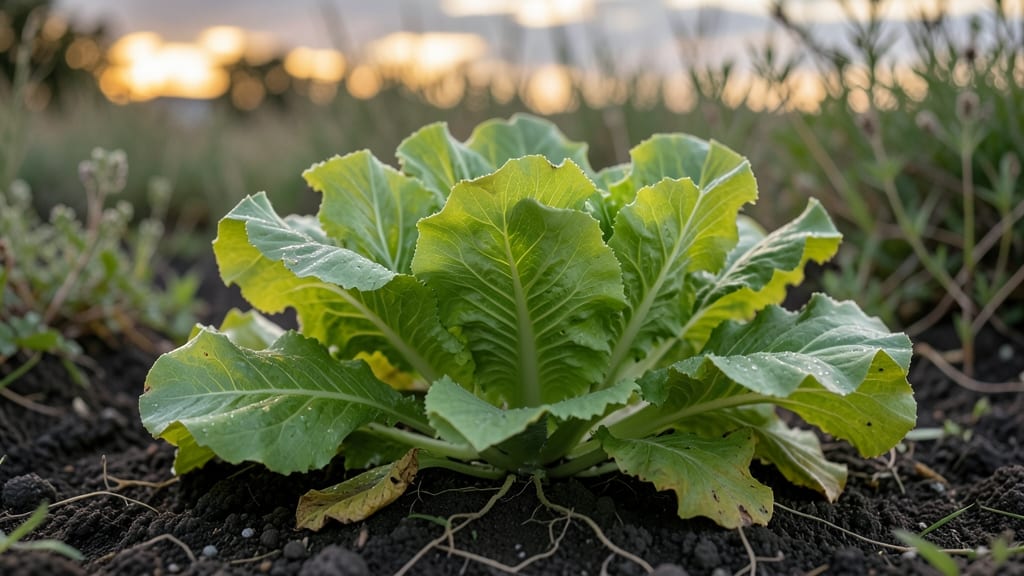
Growing crisp green leaf lettuce from seed is the fastest way to turn your windowsill or garden into a salad bar. 🌱 I learned the hard way that patience and proper care beat store-bought greens every time—my first batch went from seed to salad bowl in just 35 days, and the flavor was shockingly fresh.
The secret starts with loose, well-draining soil and consistent moisture—lettuce hates soggy roots but won’t tolerate dry spells. Plant seeds ¼-inch deep, spaced 12 inches apart, and keep them in partial shade until they sprout.
Once they’re up, give them 4-6 hours of sunlight daily, and water at the base to avoid wetting the leaves. You’ll know it’s ready to harvest when the outer leaves reach 4-6 inches tall—snip the largest leaves first, and the plant will keep producing for weeks.
The key to avoiding bitterness? Keep the soil moist and harvest regularly, especially in hot weather. This method works for both spring and fall planting, and even container growers can succeed with the right setup. Let’s get those seeds sprouting!
📚 In This Guide
- What you need
- Instructions
- Tips and common mistakes
- Wrapping up and next steps
What you need
- ● Seeds: High-quality green leaf lettuce seeds (e.g., 'Black Seeded Simpson,' 'Salad Bowl,' or 'Buttercrunch'). Aim for 1–2 oz (30–60g) per 100 sq ft.
- ● Growing Containers or Garden Bed: Containers: 6–12" deep pots with drainage holes (minimum 1 plant per 6" pot).
- ● Garden Bed: Well-draining soil in a sunny spot (6+ hours of sunlight daily).
- ● Potting Mix: 10–20 lbs (4.5–9 kg) of organic, seed-starting mix or garden soil amended with compost.
- ● Water: Access to a watering can, hose, or drip irrigation system.
- ○ Fertilizer (Optional but Recommended): Balanced organic fertilizer (e.g., 5-5-5 or fish emulsion) or compost tea.
- ● Slow-release granules (e.g., 1 tbsp per sq ft at planting).
- ● Planting Tools: Hand trowel or small shovel for transplanting.
- ● Seedling trays or biodegradable pots (if starting indoors).
- ○ Protective Gear (Optional): Gloves (to avoid soil-borne diseases).
- ● Row covers or shade cloth (30–50% shade) for hot climates.
- ● Prerequisites: Patience! Lettuce grows best in cool weather (50–75°F / 10–24°C).
- ● Consistent moisture—lettuce hates drying out!
- ● Mulch (straw or grass clippings) to retain moisture.
- ● Epsom salt (1 tbsp per gallon of water) for magnesium boosts.
- ● Pest deterrents: Neem oil or companion plants (e.g., marigolds).
Step-by-step instructions for growing green leaf lettuce
Here's how I grow crisp, ready-to-harvest lettuce in just a few weeks—no fancy tools required.
🌱 Step 1: Prepare Your Planting Site
Lettuce thrives in loose, well-draining soil with plenty of organic matter. Work the 1 cubic yard of garden soil to a depth of 12 inches, breaking up any clumps and removing rocks. I like to add a 2-inch layer of compost to enrich the soil—this ensures tender leaves and prevents bitterness.
Choose a location that gets 4-6 hours of sunlight daily. Lettuce tolerates partial shade, but too much heat will cause it to bolt (go to seed). If your summers are hot, plant in early spring or late summer for the best results. Test the soil pH—lettuce prefers 6.0-7.0. If yours is off, add lime to raise or sulfur to lower the pH before planting.
🌱 Step 2: Sow Seeds at the Right Depth and Spacing
Scatter the 1 ounce of lettuce seeds (about 1,000 seeds) thinly over the prepared soil. Press them lightly into the surface—no need to bury them deeply. Lettuce seeds are tiny, so I use a seed spreader or simply sprinkle them by hand. Cover with a ¼-inch layer of fine soil or compost to protect them from drying out.
Space rows 12 inches apart if you're planting in rows, or scatter seeds 6 inches apart for a more natural, loose-leaf appearance. Water gently with a fine mist or drip irrigation to avoid washing away the seeds. Keep the soil consistently moist until germination, which typically takes 7-14 days. You'll know it's working when you see tiny green sprouts peeking through the soil.
💧 Step 3: Maintain Moisture and Thin Seedlings
Once seedlings emerge, water them 1 inch per week, either through rainfall or irrigation. Lettuce roots are shallow, so keep the soil evenly moist—never soggy. I use drip irrigation or a soaker hose to deliver water directly to the roots without disturbing the plants. Avoid overhead watering, especially in the evening, to prevent fungal diseases like downy mildew.
When seedlings are 2 inches tall and have their first true leaves, thin them to stand 6-8 inches apart. Use scissors to snip unwanted seedlings at soil level—this prevents disturbing the roots of the remaining plants. Thinning ensures each plant gets enough nutrients and space to grow into crisp, healthy leaves. Harvest the thinned seedlings and add them to salads for a bonus harvest!
☀️ Step 4: Protect From Heat and Pests
Lettuce bolts (goes to seed) quickly in hot weather, so provide shade cloth if temperatures rise above 75°F. I use a lightweight shade cloth to filter sunlight and keep the soil cool. Mulch with 1 inch of straw or shredded leaves to retain moisture and suppress weeds. This also keeps the soil temperature stable, which is key for preventing bolting.
Watch for pests like aphids, slugs, and snails. I handpick slugs in the evening and use a strong spray of water to dislodge aphids. For slugs, I place beer traps (a shallow dish filled with beer) near the plants—slugs are drawn to it and drown. If you notice holes in the leaves, it’s likely slugs or rabbits. A quick check at dawn or dusk will help you catch them early.
✂️ Step 5: Harvest for Continuous Yield
You can start harvesting outer leaves when the plants are 4-6 inches tall. Use clean scissors or a knife to cut leaves just above a leaf node—this encourages regrowth. For a full head of lettuce, wait until the plants are 8-10 inches tall and fully formed. Harvest in the morning when leaves are crispest and most flavorful.
To extend your harvest, cut the entire head at the base if you prefer a cleaner look. After harvesting, water the base and keep the soil moist to encourage new growth. With proper care, lettuce can produce multiple harvests over 4-6 weeks. If the plant starts to bolt (sends up a tall flower stalk), harvest all remaining leaves quickly—they’ll become bitter as the plant focuses on seed production.
Tips & tricks for perfect green leaf lettuce
These simple strategies will help you grow the crispest, most flavorful lettuce heads with minimal effort.
Soil Preparation Secret: Don't just till the garden soil—break it down into fine crumbs to create the perfect loose texture. I like to mix in a handful of sand or perlite with the compost to improve drainage, which prevents those bitter flavors that develop in compacted soil. The 2-inch compost layer should be fluffy and well-mixed throughout the 12-inch depth.
Seed Spacing Hack: For that restaurant-quality loose-leaf appearance, scatter seeds every 6 inches instead of planting in rows. This mimics natural growth patterns and eliminates the need for thinning. Just remember: those tiny seeds need gentle watering—they'll wash away if you're too heavy-handed with the hose.
Heat Protection Strategy: When temperatures climb above 75°F, cover your plants with shade cloth for 2-3 hours during peak afternoon sun. I've found that even lightweight 30% shade cloth makes a noticeable difference in preventing bolting. Check for wilting leaves in the afternoon—this is your first sign that heat stress is setting in.
Harvesting Extension: The 4-6 week harvest window can stretch to 8 weeks if you practice succession planting. Sow a second batch of seeds every 2 weeks after your first planting. This staggered approach ensures you always have fresh, crisp lettuce without the risk of bolting from summer heat.
Pro Tips for Green Leaf Lettice
- These simple strategies will help you grow the crispest, most flavorful lettuce heads with minimal effort.
- Soil Preparation Secret: Don't just till the garden soil—break it down into fine crumbs to create the perfect loose texture.
- Seed Spacing Hack: For that restaurant-quality loose-leaf appearance, scatter seeds every 6 inches instead of planting in rows.
Frequently asked questions
Got questions about growing or using green leaf lettuce? You’re not alone!
Here are the most common queries—plus quick, practical answers to help you grow crisp, delicious heads every time.
How long does it take for green leaf lettuce to grow from seed?
Green leaf lettuce is one of the fastest-growing greens! From seed to harvest, expect 30–50 days, depending on the variety and growing conditions. For baby leaves, you can even harvest in as little as 25 days. Check the seed packet for exact timelines—some "cut-and-come-again" types mature faster than full-head varieties.
Why is my green leaf lettuce turning bitter or bolting early?
Bitter taste or premature bolting (flowering) usually means your lettuce is stressed. Common culprits:
- Heat stress: Lettuce hates temperatures above 80°F (27°C). Use shade cloth or grow in cooler seasons.
- Overmaturity: Harvest before heads tighten—young leaves are sweeter!
- Poor soil: Ensure well-draining, nutrient-rich soil with balanced nitrogen.
Pro tip: Sow seeds in partial shade or succession-plant every 2 weeks for a steady harvest.
Can I eat green leaf lettuce straight from the garden?
Green leaf lettuce is ready to eat as soon as it’s big enough—no waiting for full maturity. Rinse leaves thoroughly under cool water to remove dirt, then:
- Use whole leaves for wraps or cups.
- Chop for salads, sandwiches, or tacos.
- Store in a damp paper towel in the fridge for up to 5–7 days.
Bonus: For extra crispness, harvest in the morning and store unwashed until use.
What’s the best alternative if I can’t grow green leaf lettuce?
If space, time, or climate is an issue, try these low-maintenance greens:
- Butter lettuce: Similar texture, slightly sweeter, and bolt-resistant.
- Spinach: Cold-hardy and packed with nutrients (great for cooked dishes!).
- Microgreens (like pea shoots or radish): Fast-growing (7–14 days!) and packed with flavor.
- Pre-washed salad mixes: Convenient for quick salads—just check for organic or pesticide-free labels.
Pro move: Mix varieties in your garden for continuous harvests!
How often should I water green leaf lettuce?
Keep soil consistently moist but not soggy—lettuce has shallow roots! Water:
- Daily in hot/dry weather (early morning is best to prevent fungal issues).
- Every 2–3 days in cooler, humid conditions.
Watch for: Wilting (underwatering) or yellowing leaves (overwatering). Mulch with straw to retain moisture and suppress weeds.
Wrapping up and next steps
Growing green leaf lettuce from seed to salad bowl is a rewarding journey that brings fresh, crisp greens right to your kitchen—without the hassle of store-bought alternatives.
Whether you're a beginner gardener or a seasoned green thumb, this versatile leafy green offers endless possibilities, from quick salads to creative cooking. With the right knowledge and a little patience, you’ll enjoy homegrown goodness that’s nutritious, sustainable, and delicious!
Ready to dive deeper? Start small—plant a few seeds this week and watch your garden thrive! For more tips, explore seasonal planting guides or experiment with companion plants to maximize your harvest. Happy growing! 🌱