
Vegetables
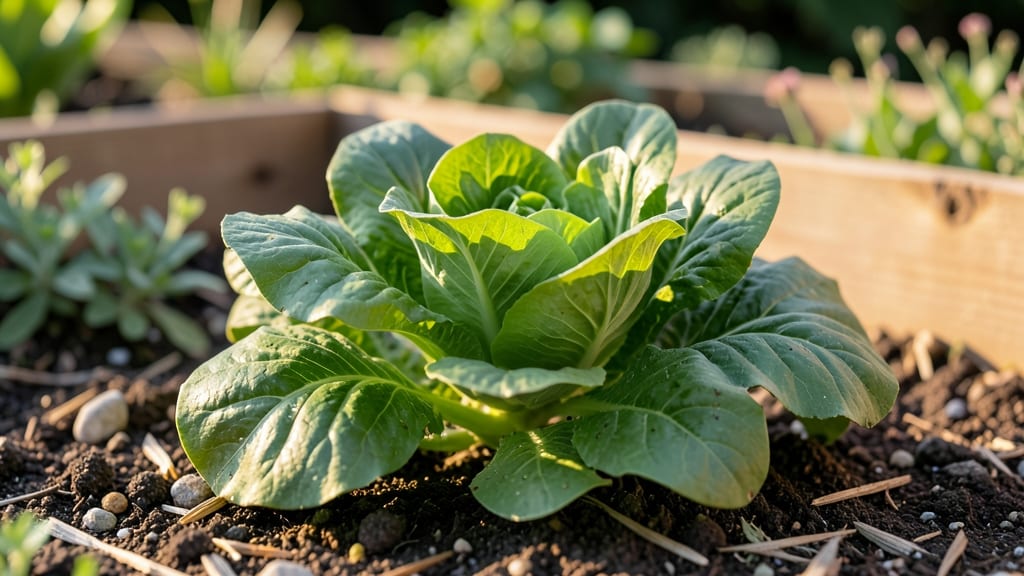
Growing green leaf lettuce that stays crisp and sweet through summer heat is the ultimate gardening win. ✨ I’ve learned the hard way that most varieties bolt the second temperatures creep above 75°F—but this one thrives when others fail, delivering tender leaves for weeks longer than store-bought bags.
The secret lies in shade, consistent moisture, and quick harvests. Plant in partial shade (morning sun, afternoon relief) and keep soil damp like a wrung-out sponge. Direct sow seeds every two weeks for a nonstop supply, or transplant seedlings with roots still intact to avoid shock.
You’ll harvest your first leaves in 3-4 weeks, and with proper care, the plants keep producing until fall. The flavor? Crisp, slightly peppery, and far more satisfying than anything from the grocery store. Works in containers, raised beds, or in-ground plots—even on balconies with the right setup.
Here’s how to keep it growing strong.
📚 In This Guide
- What you need
- Instructions
- Tips and common mistakes
- Wrapping up and next steps
What you need
- ● Green leaf lettuce seeds: Choose heat-tolerant varieties like Black Seeded Simpson, Jericho, or Oakleaf (1–2 oz packet, ~500–1,000 seeds).
- ● Well-draining potting mix: 5–10 gallons of organic, peat-free soil (or a blend of 60% compost, 30% coconut coir, 10% perlite).
- ● Containers or garden bed: Containers: 6–12-inch deep pots (3–5 plants per 12-inch pot) or shallow trays with drainage holes.
- ● Garden bed: Raised bed or in-ground plot with partial shade (dappled sunlight or 4–6 hours of morning sun).
- ○ Shade cloth (optional but recommended): 30–50% shade fabric to protect from intense afternoon sun (10’ x 10’ sheet or clips for containers).
- ● Organic mulch: Straw or shredded leaves (1–2 inches) to retain moisture and regulate soil temp.
- ● Hand trowel or transplanting tool for seeding/transplanting.
- ● Watering can or drip irrigation system (gentle watering to avoid disturbing seedlings).
- ● Spray bottle for misting seeds during germination.
- ○ Garden gloves (optional, for handling soil or prickly lettuce varieties).
- ○ pH test kit (optional): Ideal soil pH is 6.0–7.0.
- ● Fertilizer: Balanced organic fertilizer (e.g., 5-5-5) or compost tea (diluted to half-strength).
How to grow green leaf lettuce for heat-resistant crispness
Here's my foolproof method for growing tender, bolt-resistant green leaf lettuce even when temperatures climb.
🌱 Step 1: Choose the Right Variety and Prepare Your Growing Space
Green leaf lettuce thrives in 50-70°F ranges, but I've found heat-tolerant varieties like 'Black Seeded Simpson' or 'Jericho' stay crisp even when temps hit 80°F. Start with a 4-inch-deep container or direct-sow in well-draining soil enriched with 2 inches of compost. Avoid garden beds that stay soggy—lettuce roots rot faster than you can say "wilted salad".
If growing in containers, use 6-inch pots per plant for the crispest leaves. I always plant mine in partial shade (morning sun, afternoon shade) during summer months. The key is preventing the soil from drying out completely—lettuce hates drought stress. Water the area thoroughly 24 hours before planting to settle the soil and create an ideal seedbed.
🌿 Step 2: Sow Seeds at the Perfect Depth and Spacing
Sow seeds ¼ inch deep—any deeper and they'll struggle to push through. Space them 1 inch apart in rows 12 inches apart for direct sowing, or 2-3 seeds per 6-inch pot. I like to use a seed starter kit for containers because it keeps things organized and prevents overcrowding.
Keep the soil evenly moist (not soggy) until germination, which takes 5-10 days at 65-75°F. You'll know it's working when you see tiny green sprouts breaking through the soil. Once they emerge, thin to 4 inches apart—this gives leaves room to grow broad and crisp. Use scissors to snip unwanted seedlings at soil level to avoid disturbing roots.
💧 Step 3: Master Watering for Crispness Without Bolting
Lettuce bolts (goes to seed) when stressed by heat or dryness. The secret is consistent moisture—water deeply every 2-3 days so the top 1-2 inches of soil stay damp. I use a drip irrigation system or water early morning to reduce evaporation. Avoid overhead watering, which can spread disease and make leaves bitter.
Here's the trick: mulch with 1 inch of straw right after planting. It keeps soil cool, retains moisture, and suppresses weeds. You'll notice leaves stay tender and crisp instead of turning tough or bitter. If your lettuce starts looking wilted in the heat, give it a shallow watering—just enough to revive the soil surface.
☀️ Step 4: Manage Light and Heat for Optimal Growth
Green leaf lettuce handles partial shade better than full sun in hot climates. If growing in summer, provide 4-6 hours of morning sun and afternoon shade (use shade cloth if needed). You'll see the difference in leaf quality—plants in full sun often bolt or develop tough, bitter leaves.
Watch for yellowing leaves—this usually means too much sun or heat stress. If this happens, move plants to a shadier spot immediately. For container growers, rotate pots quarter-turn daily so all sides get even light. Harvest outer leaves first to encourage continuous growth—this prevents the plant from bolting prematurely.
✂️ Step 5: Harvest for Maximum Crispness and Encourage Regrowth
Start harvesting outer leaves when they reach 4-6 inches tall. Use clean scissors or fingers to pluck leaves at the base—this encourages the plant to produce more. You'll get continuous harvests for 4-6 weeks if you keep the soil moist and shaded properly. The inner leaves stay tender and crisp, perfect for salads.
If your lettuce starts to bolt (tall stems with yellow flowers), don't panic—just harvest the leaves you can use. The plant will still produce edible (though less tender) leaves. To prevent bolting next time, try shorter-day varieties or grow in fall/winter when temps are cooler. With the right care, you'll enjoy bold, crisp green leaf lettuce all season long.
Tips & tricks for perfect green leaf lettuce
Common pitfalls—and how to sidestep every one when growing crisp lettuce in hot weather.
Variety Selection: The heat-tolerant varieties like 'Black Seeded Simpson' or 'Jericho' are your best bet for summer growing. These varieties can handle temps up to 80°F without bolting, while regular green leaf types often turn bitter or go to seed when temperatures climb. I've found that even in 75°F conditions, these varieties maintain their crisp texture and sweet flavor—something standard varieties struggle with.
Soil Preparation Strategy: In Step 1, when preparing your growing space, focus on creating a loose, well-draining environment. Lettuce roots are shallow and sensitive to compaction, which can lead to poor nutrient uptake and make plants more susceptible to heat stress. After mixing in the 2 inches of compost, gently fluff the soil with a fork or your hands—this creates air pockets that help roots breathe. The 24-hour pre-watering isn't just about settling soil; it's about ensuring the roots have immediate access to moisture when they first emerge.
Thinning Technique: When you thin seedlings to 4 inches apart in Step 2, resist the urge to pull them by hand—this can damage neighboring roots. Instead, use clean scissors to snip at soil level. This might seem like a small detail, but it makes a big difference in how quickly your plants recover and start growing vigorously. I've seen lettuce that was thinned carefully bounce back in just 3-4 days, while roughly pulled plants often take twice as long to recover.
Heat Management: For Step 4's light management, consider using lightweight shade cloth (30-50% shade) during the hottest part of the day. This creates a buffer zone that prevents sudden temperature spikes while still allowing enough light for photosynthesis. I've had great success with a simple DIY setup using white bedsheets draped over hoops—it's free and just as effective as commercial shade cloth. The goal is to keep leaf temperatures below 80°F to maintain that crisp texture we're all after.
Pro Tips for Green Leaf Letuce
- Common pitfalls—and how to sidestep every one when growing crisp lettuce in hot weather.
- Variety Selection: The heat-tolerant varieties like 'Black Seeded Simpson' or 'Jericho' are your best bet for summer growing.
- Soil Preparation Strategy: In Step 1, when preparing your growing space, focus on creating a loose, well-draining environment.
Frequently asked questions
Can green leaf lettuce survive in hot weather?
Unlike delicate varieties, green leaf lettuce is heat-tolerant and bolting-resistant when given the right conditions. Plant in partial shade (especially in peak summer) and keep soil moist but well-draining. Mulch with straw to retain coolness and prevent wilting. Pro tip: Start seeds indoors 4–6 weeks before the last frost for a head start.
How long does it take to harvest green leaf lettuce?
Green leaf lettuce is a fast grower—ready in just 30–45 days from seed! For baby leaves, harvest in 25–30 days by snipping outer leaves. For full-size heads, wait until leaves are 4–6 inches tall. Bonus: Cut-and-come-again harvesting extends your harvest by 3–4 weeks!
What’s the best alternative if green leaf lettuce bolts?
If your lettuce bolts (sends up a flower stalk), try these heat-resistant swaps:
- Romaine lettuce (e.g., ‘Parris Island’)
- Buttercrunch (e.g., ‘Deer Tongue’)
- Swiss chard (thrives in heat and partial shade)
- Kale (e.g., ‘Red Russian’—sweetens in cold or heat!)
Why are my green leaf lettuce leaves turning yellow?
Yellowing leaves usually signal overwatering, nutrient deficiency, or pests. Check these fixes:
- Watering: Let soil dry slightly between waterings—soggy roots cause rot.
- Nutrients: Feed with balanced fertilizer (10-10-10) or compost tea every 3–4 weeks.
- Pests: Inspect for aphids or slugs; blast off pests with water or use neem oil.
How should I store green leaf lettuce to keep it crisp?
Store lettuce unwashed in a perforated plastic bag with a paper towel to absorb moisture. Keep it in the crisper drawer (40–45°F) for up to 7–10 days. For longer storage, freeze dried leaves in ice cube trays with water or olive oil for soups later!
Wrapping up and next steps
Green leaf lettuce is your perfect hot-weather ally—crisp, flavorful, and resilient when grown with the right care. By choosing the ideal variety, prepping your soil, and mastering shade-cloth tricks, you’ll enjoy bold, fresh greens all season long without the frustration of bolting.
Whether you’re a backyard gardener or urban balcony grower, these tips make success simple and satisfying.
Ready to crunch into success? Grab your seeds, set up that shade, and watch your garden thrive! 🌱 Start planting today—your crispy, heat-proof lettuce awaits!