
Planting
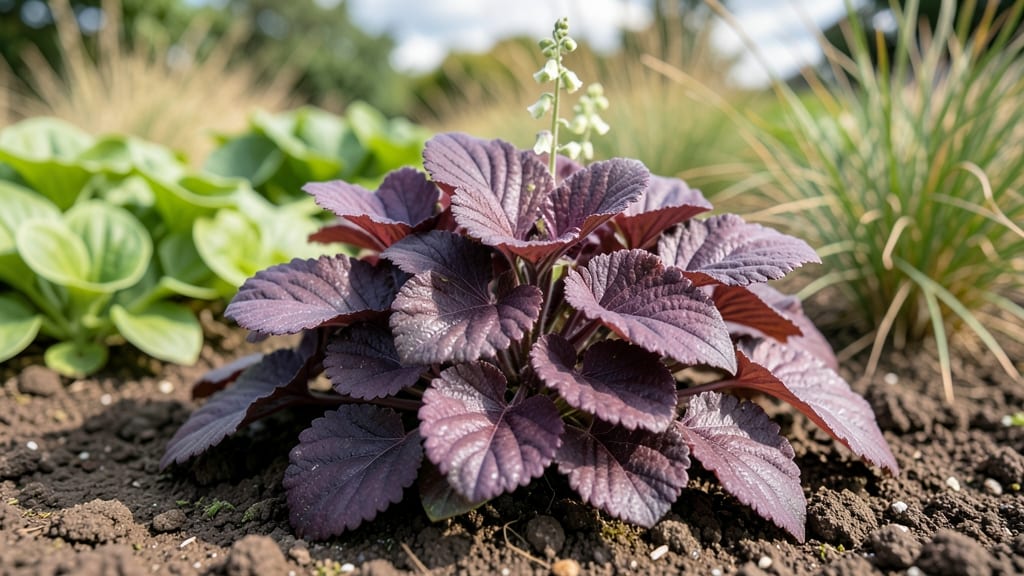
That heart-shaped leaf plant identification could be one of a dozen stunning plants—each with its own personality. 🌿 From the velvety foliage of a Philodendron to the fiery hues of Coleus, these leaves tell a story about where they thrive (indoors or out) and what care they crave.
The trick is peeling back layers: leaf size (tiny Heuchera vs. massive Gynura), texture (smooth begonia or fuzzy Lamium), and growth habit (trailing Pothos or bushy Fatsia). A quick check of the stem, underside, and whether the leaves grow in clusters or solo narrows it down fast.
You’ll spot the subtle differences that turn a "maybe" into a "that’s definitely my Hoya with its waxy leaves!" or "oh, it’s a Sweetheart Hellebore—perfect for shade." Most of these beauties are easy to find (or grow), so you’ll know exactly what to do next.
No botanist degree needed—just a keen eye and this guide. Let’s match that leaf to its plant family!
Common Causes Behind Leaf Shape Shifts
Heart-shaped leaves are a stunning natural trait in many plants, but sometimes they develop unexpectedly—or fail to appear at all. If you’re growing a plant that should have heart-shaped foliage but isn’t, or if you’re seeing odd distortions, here’s why it might be happening.
Not all plants follow the same growth script. Even within the same species, genetic quirks can lead to leaf shape differences. For example:
- Seed source matters: If you bought seeds from a different climate or region, the resulting plant might inherit subtle genetic traits that alter leaf shape. Some Philodendron hederaceum (heartleaf philodendron) varieties, for instance, naturally produce slightly lobed or asymmetrical leaves.
- Hybrid vigor: Crossbreeding plants can produce offspring with unpredictable traits. A hybrid between a heart-leafed Ficus and a lobed Monstera might yield leaves that are neither perfectly round nor deeply split.
- Juvenile vs. mature phases: Many plants, like Monstera deliciosa, start with simple heart-shaped leaves before developing fenestrations (holes) as they mature. If your plant is young, its leaves may still look "basic."
💡 Pro Tip: If you’re unsure about your plant’s genetics, check its botanical name and compare it to reference images. Some nurseries sell "sport" varieties—plants with naturally occurring mutations—that may have unique leaf shapes.
Water—too much or too little—can warp a plant’s growth patterns, including leaf shape. Here’s how:
- Underwatering: When roots struggle to absorb moisture, the plant prioritizes survival over ideal leaf development. This can cause leaves to:
- Grow smaller and thicker (a trait called succulence)
- Develop irregular edges (like scalloped or wavy margins)
- Appear "puckered" or unevenly shaped
- Turn yellow or brown at the edges
- Grow asymmetrically due to uneven nutrient distribution
- Develop "cupping" or curling, altering their heart shape
🌡️ Quick Fix: Check the soil moisture by sticking your finger 1–2 inches deep. If it’s dry, water thoroughly; if it’s soggy, let it dry out and repot if roots are circling.
Light and temperature aren’t just about leaf color—they directly influence cell growth and shape. Here’s how improper conditions can throw off heart-shaped leaves:
- Low light: Plants like Philodendron or Syngonium may produce smaller, darker, or elongated leaves in dim conditions. The heart shape can become stretched or pointed, resembling an arrowhead instead.
- Direct sunlight: Intense rays can cause:
- Bleaching or crispy edges (affecting symmetry)
- Leaves to "bake," leading to uneven growth patterns
- Sunburnt patches that distort the natural shape
- Thicker, waxy leaves (a protective response)
- Stunted growth with irregular lobes
- In tropical plants (e.g., Alocasia), cold stress can cause leaves to develop jagged or serrated edges instead of smooth hearts.
🎯 Ideal Light Guide:
Plant Type
Light Needs
Signs of Stress
Philodendron, Syngonium
Bright, indirect light (50–75% shade)
Leggy growth or pale leaves
Monstera, Ficus
Medium to bright indirect (30–60% shade)
Brown patches or yellowing
Hoya, Alocasia
Low to medium indirect light
Stunted leaves or crispy tips
Leaves are like canvases—what you "feed" them (literally) determines their final artwork. Nutrient imbalances can turn a perfect heart into a misshapen mess:
- Nitrogen (N) deficiency: Leaves may turn yellow (chlorosis) and grow smaller, losing their defined heart shape. Older leaves are often the first to show signs.
- Magnesium (Mg) or Iron (Fe) deficiency: Causes interveinal chlorosis (yellowing between veins), which can make leaves appear uneven or "lacy" instead of solid.
- Over-fertilization: Too much salt or fertilizer burns roots, leading to:
- Brown, crunchy leaf edges
- Stunted growth with distorted shapes
- Leaves that curl or twist unnaturally
🔥 Fertilizer Fix: Use a balanced liquid fertilizer (e.g., 10-10-10) every 4–6 weeks during growing season. For deficiencies, target-specific amendments:
- Epsom salt (magnesium)
- Iron chelate (for chlorosis)
- Lime (to adjust pH for calcium uptake)
Always water thoroughly after fertilizing to prevent root burn!
Quick Fixes for Common Heart-Leaf Issues
If your heart-shaped leaf plant is struggling, don’t panic—most problems have simple, actionable solutions. Below, we’ve mapped common issues to their fixes, so you can revive your plant with confidence. Prevention tips are included to keep your green friend thriving long-term!
Cause: Soggy soil or compacted roots from excess water. Fix It:
- 🔥 Let the soil dry out between waterings—stick your finger 1–2 inches deep; if damp, wait.
- 🍳 Repot in well-draining soil (mix potting soil with perlite or sand for aeration).
- 👨🍳 Check the pot—if it lacks drainage holes, transfer to one with them or add a layer of pebbles at the bottom.
💡 Prevention Tip: Water only when the top inch of soil feels dry, and avoid saucers that trap excess moisture.
Cause: Dry air or inconsistent watering stresses the plant. Fix It:
- 🥘 Increase humidity by placing the pot on a tray of pebbles with water (ensure the pot isn’t sitting in water).
- 🔥 Water deeply but less often—soak the soil until water drains from the bottom, then wait until the top 1–2 inches dry.
- 🌡️ Mist leaves 2–3 times a week if your home is very dry (ideal humidity: 40–60%).
✨ Pro Tip: Group heart-leaf plants together to create a microclimate with shared humidity.
Cause: Roots are either too dry or cramped. Fix It:
- ⏰ Check the soil moisture—if dry, water thoroughly. If soggy, let it dry out before watering again.
- 🔪 Gently remove the plant from its pot and inspect the roots. If they’re circling tightly, 👨🍳 repot into a slightly larger container with fresh soil.
- 🌱 Trim any mushy or black roots (signs of rot) with clean scissors before repotting.
🎯 Prevention Tip: Repot every 1–2 years or when roots emerge from drainage holes.
Cause: Dry conditions or weak plants attract pests. Fix It:
- 🔥 Isolate the plant to prevent spreading.
- 🌿 Wipe leaves with a damp cloth to remove pests, then spray with neem oil solution (1 tsp neem oil + 1 quart water + a drop of dish soap).
- 🍃 Repeat every 5–7 days until pests vanish. For severe cases, use insecticidal soap.
💡 Prevention Tip: Keep humidity up and inspect new plants before bringing them home.
Cause: Stretching toward light means it’s not getting enough. Fix It:
- 🔥 Move to brighter indirect light (east or north-facing windows are ideal).
- 🌱 Rotate the plant weekly so all sides get even light.
- 💡 Supplement with a grow light if natural light is insufficient (12–14 hours/day).
✨ Pro Tip: If leaves lose their vibrant color, it’s a sign to adjust light exposure gradually.
Cause: Overwatering or poor airflow. Fix It:
- 🔪 Prune affected leaves with clean scissors, then dispose of them.
- 🌿 Improve airflow by spacing plants apart or using a small fan on low setting.
- 🍳 Treat with fungicide (copper-based or baking soda spray: 1 tsp baking soda + 1 quart water + a drop of soap).
- 👨🍳 Repot if root rot is suspected—trim black roots and use sterile, well-draining soil.
🎯 Prevention Tip: Water in the morning so leaves dry quickly, reducing fungal growth.
🌟 Final Reminder: Most heart-leaf plants (like philodendrons or coleus) are resilient—address issues early, and they’ll bounce back! For stubborn problems, snap a photo and consult a local nursery for tailored advice. Happy gardening! 🌿
Frequently asked questions
What's the most common indoor plant with heart-shaped leaves?
The Philodendron hederaceum (heartleaf philodendron) is the classic indoor heart-leaf plant. Its glossy, deep green leaves grow in a trailing vine, making it perfect for hanging baskets or shelves. Look for the classic arrowhead shape with pointed tips—it’s the gold standard for beginners!
How can I tell if my heart-shaped leaves are from a toxic plant?
Check the plant's family! Many heart-leafed plants like Philodendron, Monstera, and Dieffenbachia are toxic if ingested. Look for white sap (common in Dieffenbachia) or smooth, waxy leaves (Monstera). Keep these away from pets and kids—opt for non-toxic alternatives like Alocasia or Syngonium if safety is a concern.
Why do some heart-shaped leaves have holes or splits?
That’s often a sign of maturity or stress! In plants like Monstera deliciosa, holes (fenestrations) develop as the plant ages. But if you see sudden splits or tears, check for overwatering, nutrient deficiencies, or sudden temperature changes. Smaller heart-leaf plants like Coleus rarely split—those holes are a sure sign of a growing Monstera!
Can I grow heart-shaped leaf plants outdoors in cold climates?
Most tropical heart-leaf plants (like Philodendron or Syngonium) need USDA zones 10-12 year-round. For colder areas, grow them as annuals in pots and bring them indoors before 50°F temperatures. Hardy alternatives like Heuchera (coral bells) or Lamium thrive outdoors in zones 4-9—their heart-shaped leaves add winter interest!
How do I propagate a heart-shaped leaf plant?
Most heart-leaf plants propagate easily from stem cuttings! Take a 4-6 inch section with at least 2-3 nodes, dip in rooting hormone (optional), and place in water or moist soil. Keep in bright, indirect light and maintain 70-75°F temperatures. New roots appear in 2-4 weeks—perfect for expanding your collection!