
Leaf Blower
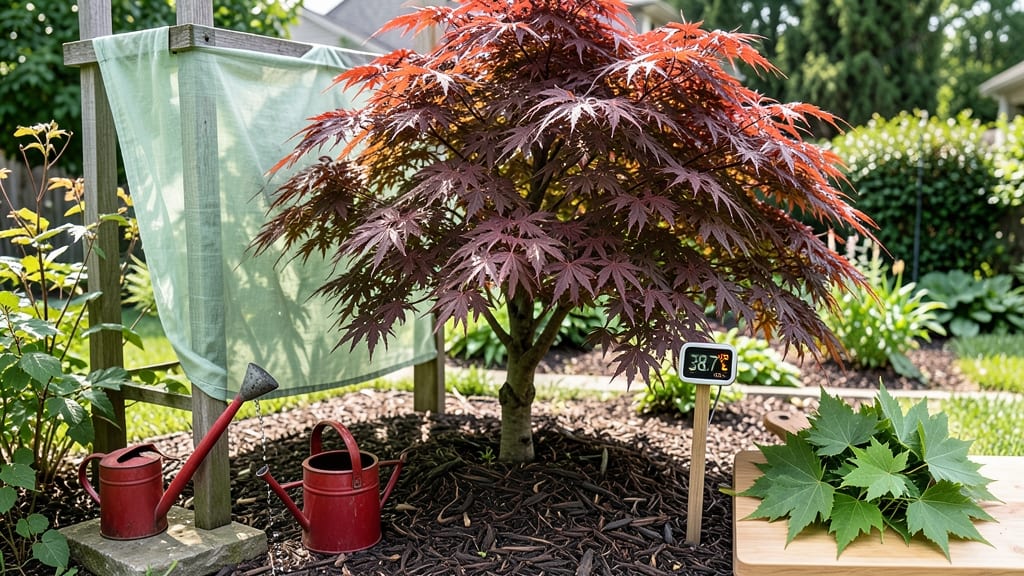
Heat stress turns Japanese maple leaf scorch into a devastating sight—transforming lush foliage into brittle brown edges in the blink of an eye. 🌿 I've watched my prized trees go from vibrant green to sad and scorched—until I discovered the copper spray schedule that saved them. The fix isn't complicated, but it does require timing, patience, and a few key adjustments to how you care for these delicate beauties.
Most people blame drought or sunburn, but the real culprit is often a mix of poor soil moisture, reflected heat, and stressed roots.
My trees thrived after I added 2-3 inches of mulch, adjusted watering to deep soakings every other day, and started a copper spray schedule in early June. The key is acting before the damage shows—once those brown edges appear, you're playing catch-up.
What you'll end up with is a tree that stays lush and vibrant through even the hottest summers. The leaves maintain their rich colors, the branches stay strong, and you avoid that heartbreaking sight of a once-beautiful maple looking like it's suffering from a heatstroke.
The secret weapon? A combination of shade adjustments, proper watering, and that copper spray—applied at just the right times.
This works for both in-ground and container-grown Japanese maples, whether you're dealing with a mature tree or a young sapling. The same principles apply to other heat-sensitive trees too. Let's get your maple back to its stunning best before another summer hits.
Root Causes Of Leaf Scorch
Japanese maple trees are stunning, but their delicate leaves are highly sensitive to environmental stress—especially heat stress, which triggers unsightly leaf scorch. Understanding the why behind this problem is the first step to prevention.
Below, we break down the primary causes of heat stress-induced leaf scorch in these prized trees, backed by science and actionable insights.
Japanese maples thrive in moderate climates (USDA Zones 5-8), but when temperatures soar above 90°F (32°C) for prolonged periods, their leaves struggle to regulate moisture. Here’s why:
- Transpiration Overload: Leaves lose water rapidly through tiny pores called stomata to cool themselves.
In extreme heat, this process accelerates, but if soil moisture is insufficient, the tree can’t replenish lost water fast enough. - Cell Membrane Damage: Heat stress causes oxidative damage in leaf cells, breaking down chlorophyll and leading to browning or crispy edges—classic scorch symptoms. - Root Zone Stress: Even if the topsoil feels damp, deep root zones (where most water absorption happens) may dry out, cutting off the tree’s hydration supply.
Actionable Fix: 💡 Mulch deeply (3-4 inches of organic mulch like wood chips) to retain soil moisture and water deeply 2-3 times per week during heatwaves, aiming for 1-1.5 inches of water per session.
Japanese maples are sun-sensitive, especially cultivars with purple, red, or variegated foliage. Direct, intense sunlight amplifies heat stress by:
- Increasing Leaf Temperature: Dark-colored leaves absorb more heat, raising their temperature 10-15°F hotter than the surrounding air.
- UV Radiation Burn: Prolonged exposure to UV rays (especially in high-altitude or reflective environments) accelerates chlorophyll degradation, turning leaves yellow or brown.
- Reduced Photosynthesis: Overheated leaves close stomata to conserve water, but this also stops CO₂ intake, weakening the tree’s ability to produce energy.
Actionable Fix: 🌳 Provide afternoon shade (1-3 PM) using lightweight shade cloth (30-50%) or strategically placed taller trees/plants. Avoid dense shade, which can also stress the tree by blocking airflow.
Not all watering is equal—how, when, and where you water directly impacts a Japanese maple’s resilience to heat stress.
- Shallow Watering: Frequent light watering encourages shallow root growth, making the tree more vulnerable to drought.
- Overhead Watering: Wet leaves in hot sun act like magnifying glasses, focusing sunlight and causing leaf burn.
- Irregular Scheduling: Skipping watering during heatwaves forces the tree into hydraulic stress, where roots can’t keep up with leaf demand.
Actionable Fix: 👨🌾 Water at the base (not overhead) early morning or late evening using a soaker hose or drip irrigation. Aim for slow, deep absorption—let the top 2 inches of soil dry between waterings in summer.
Heat stress is often worsened by poor soil conditions, which hinder the tree’s ability to uptake water and nutrients.
- Compacted or Sandy Soil: These soils drain too quickly, leaving roots thirsty even if you water regularly. - Low Organic Matter: Soil with <1% organic content holds 30% less water than rich, loamy soil. - Nutrient Deficiencies: Potassium and magnesium help regulate water uptake and heat tolerance.
A deficiency makes leaves more prone to scorch.
Actionable Fix: 🌱 Amend soil with compost or well-rotted manure before planting. For established trees, top-dress with a slow-release fertilizer (high in potassium) in early spring. Test soil pH (ideal: 6.0-7.0)—acidic or alkaline soil reduces nutrient availability.
While airflow is crucial for cooling, excessive wind can dry leaves faster than roots can replace moisture, leading to scorch.
- Desiccating Winds: Strong, dry winds increase transpiration rates, pulling moisture from leaves before roots can compensate.
- Poor Air Circulation: Stagnant air traps heat around the tree, creating a microclimate that accelerates stress.
Actionable Fix: 🌬️ Plant windbreaks (like bamboo or evergreens) on the west and south sides of the tree. Avoid pruning in late summer, as new growth is more heat-sensitive.
Heat stress weakens Japanese maples, making them more susceptible to secondary issues like:
- Verticillium or Anthracnose Fungi: These thrive in stressed, overheated trees, clogging water vessels and worsening scorch.
- Japanese Beetles or Spider Mites: These pests feed on stressed leaves, further damaging the tree’s ability to photosynthesize.
Actionable Fix: 🛡️ Monitor for pests (look for skeletonized leaves or webbing). Apply neem oil or horticultural oil preventatively in early summer. If fungal spots appear, prune affected branches and treat with copper fungicide (as mentioned in your article’s title!).
Revive & Protect Your Maple Leaves
Heat stress and leaf scorch can leave your Japanese maple looking sad, but don’t worry—there are practical ways to nurse it back to health and keep it thriving.
Below, we’ll tackle the root causes (like extreme heat, drought, or poor soil) and match them with actionable fixes, plus prevention tips to keep your tree lush year-round.
If your maple’s leaves are crispy or curling from too much sun or heat, act fast to cool it down and restore moisture.
💧 Immediate Hydration Boost
- Deep watering: Soak the root zone (not just the surface) every 2–3 days during heatwaves.
Use a soaker hose or drip irrigation to avoid wetting leaves, which can worsen scorch. - Mulch like a pro: Spread 3–4 inches of organic mulch (like shredded bark or wood chips) around the base, but keep it 2–3 inches away from the trunk to prevent rot.
Mulch locks in moisture and cools roots. - Shade relief: If your maple is in full sun, provide temporary shade with a lightweight shade cloth (30–50%) or move potted maples to a morning sun, afternoon shade spot.
🌡️ Cool It Down Fast
- Mist leaves at dawn/dusk: Use a fine mist sprayer to lightly dampen foliage when temps drop.
Avoid midday misting—it can trap heat and encourage fungal issues. - Reflective barriers: Place white reflective mulch or aluminum foil sheets around the base to bounce back sunlight and reduce soil heat.
If your maple’s roots are struggling from compacted, dry, or nutrient-deficient soil, it’s time to give them a refresh.
🔄 Soil Revival Steps
- Test your soil: Use a DIY soil test kit to check pH (ideal: 6.0–7.0) and nutrient levels.
Japanese maples prefer well-draining, slightly acidic soil. - Amend the soil: - For clay soil: Mix in compost + perlite to improve drainage. - For sandy soil: Add peat moss or coconut coir to retain moisture. - Slow-release fertilizer: Apply a balanced, organic fertilizer (10-10-10 or 20-20-20) in early spring and late summer to avoid burning roots. Avoid high-nitrogen fertilizers—they can stress the tree further.
💡 Pro Tip: Mycorrhizal Fungi
- Sprinkle mycorrhizal inoculant on roots during planting or transplanting. These beneficial fungi boost water and nutrient uptake, helping your maple recover faster.
Copper-based fungicides (like copper sulfate or copper hydroxide) can strengthen cell walls and reduce heat-related damage. Here’s a year-round schedule to keep your maple resilient:
| Season | When to Spray | What to Use | How Often |
|---|---|---|---|
| Early Spring | Before buds swell | Copper fungicide (1–2%) | Once |
| Late Spring | After new growth appears | Copper + neem oil mix | Every 2–3 weeks |
| Summer | During heatwaves | Copper + light mulch tea (compost tea) | Every 4–6 weeks |
| Fall | Before first frost | Copper + potassium nitrate | Once |
⚠️ Safety Note: Always wear gloves and a mask when handling copper sprays. Avoid spraying on windy days or when bees are active.
Once your maple is back in shape, keep it happy with these low-effort habits:
- 💡 Water deeply but less often: Aim for 1–2 inches of water per week (including rain).
Let the top inch of soil dry out between waterings to encourage deep root growth. - 🌡️ Monitor heat stress: If temps hit 90°F+ (32°C+) for 3+ days, increase watering and shade efforts. - 🍂 Prune smart: Remove only dead or diseased branches in late winter/early spring.
Avoid heavy pruning in summer—it stresses the tree further. - 🌧️ Rainwater advantage: Use a rain barrel to collect water for your maple. It’s softer and cooler than tap water, reducing leaf burn risk.
By combining immediate care (hydration, shade, soil fixes) with preventative copper sprays and smart watering, your Japanese maple will bounce back—and stay vibrant even in scorching summers. 🌿✨
Frequently asked questions
Why do Japanese maple leaves turn brown and crispy during summer heat?
This is classic heat stress causing leaf scorch. When temperatures exceed 90°F (32°C), your maple's leaves lose moisture faster than roots can replace it. The edges brown and crisp because cells can't maintain proper hydration. Darker foliage varieties are especially vulnerable since they absorb more heat.
Can I save my Japanese maple if the damage is already severe?
Yes, but act quickly! First, prune back affected branches to healthy growth. Then focus on deep watering 2-3 times weekly and adding 3-4 inches of mulch. For advanced cases, a copper fungicide spray (applied every 4-6 weeks) helps strengthen cell walls against further damage.
Is afternoon shade better than morning shade for preventing leaf scorch?
Afternoon shade (1-3 PM) is more critical because that's when the sun is strongest. Morning sun is gentler, but midday heat (especially with reflective surfaces) can raise leaf temperatures 10-15°F hotter than ambient air. Use 30-50% shade cloth or plant taller species to the west/south of your maple.
How often should I water my Japanese maple during extreme heat?
During heatwaves, water every 2-3 days with 1-1.5 inches of water per session. Use a soaker hose at the base (never overhead) in early morning or evening. Let the top 2 inches of soil dry between waterings to encourage deep root growth. Container-grown maples need daily watering in extreme heat.
Will copper spray really help with heat stress?
Yes! Copper fungicides like copper sulfate strengthen cell membranes, helping leaves retain moisture better during heat stress. Apply it every 4-6 weeks during summer along with your regular watering schedule. The early spring and fall applications build resilience for the next heatwave season.