
Leaf Blower
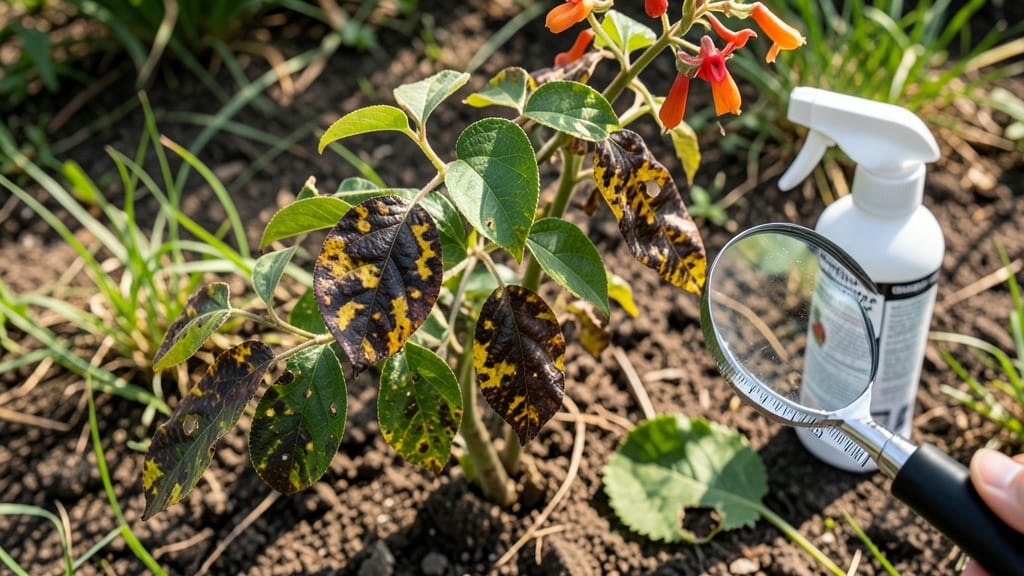
When your honeysuckle leaves develop dark, greasy spots that spread like ink on wet paper, you're dealing with leaf blight—and copper spray is your fastest cure. 🌿 I’ve watched this fungus turn lush vines into skeletal shadows, but with the right approach, you can revive your plants in just a few weeks.
The key is acting early, before the spots merge and the leaves drop entirely.
This fungal nightmare thrives in damp, shady conditions, often caused by Alternaria or Septoria pathogens. Overhead watering, poor air circulation, and thick foliage create the perfect breeding ground. The good news? Copper spray disrupts fungal spores on contact, giving your honeysuckle a fighting chance without harsh chemicals.
You’ll need to apply it every 7–10 days until new growth appears, but the results are worth the effort.
By the time you finish your second treatment, you’ll see fresh leaves unfurling—vibrant green and disease-free. The plants regain their vigor, and the vines stop looking like they’ve been attacked by a shadow.
Prevention is just as critical: prune for airflow, water at the base, and avoid wetting foliage. With these steps, your honeysuckle will bounce back stronger than ever.
This method works for all honeysuckle varieties, from climbing vines to shrub types. Even if you’ve lost a few leaves, early intervention keeps the rest of the plant alive. Let’s get those vines thriving again—your garden’s fragrance and beauty depend on it.
The Hidden Triggers Behind Fungal Spread
Fungal infections like honeysuckle leaf blight don’t just appear out of nowhere—they thrive when specific conditions align. Understanding these triggers is the first step to preventing and managing the issue before it takes hold. Let’s break down the key factors that turn your lush vines into a fungal buffet.
The fungus responsible for leaf blight—often Alternaria or Septoria—loves moisture. When leaves stay damp for prolonged periods, spores germinate and spread rapidly. Here’s why it’s a problem:
- Prolonged leaf wetness: Rain, dew, or overhead watering keeps leaves saturated for more than 6–12 hours, creating the perfect breeding ground. Alternaria, for example, can infect within 24 hours of continuous moisture.
- Tight plant spacing: Honeysuckle vines grown too closely restrict airflow, trapping humidity near the foliage. Fungal spores circulate and reinfect leaves instead of drying out.
- Shady or dense canopies: Areas with little sunlight and poor ventilation (like thick hedges or under trees) slow evaporation, prolonging damp conditions.
Actionable fix: Prune for airflow, water at the base (not overhead), and avoid planting honeysuckle in overly shaded spots.
Fungal spores are picky—they only activate within a specific temperature and humidity range. For honeysuckle leaf blight, these are the danger zones:
| Factor | Ideal for Fungus | Your Goal |
|---|---|---|
| Temperature | 60–80°F (15–27°C) with high humidity | Encourage airflow to drop humidity below 70% |
| Humidity | Above 80% for >24 hours | Use dehumidifiers in greenhouses or prune to reduce density |
| Rainfall | Frequent light rains (spores splash onto leaves) | Water deeply but infrequently to avoid surface wetness |
Pro tip:🌡️ Monitor your local microclimate—some areas hit these fungal-friendly conditions more often than others.
Healthy plants resist disease better. When honeysuckle is stressed—whether from nutrient imbalances, compacted soil, or root damage—it becomes an easy target. Here’s how overdoing it helps the fungus:
- Excess nitrogen: Lush, soft new growth is tender and more susceptible to fungal penetration. A soil test showing high nitrogen (N) levels without balanced phosphorus (P) and potassium (K) weakens defenses.
- Compacted or waterlogged soil: Poor drainage leads to root rot, which stresses the plant and reduces its ability to fight off pathogens.
- Sudden environmental changes: Moving potted honeysuckle to a shady spot or drastically altering watering schedules shocks the plant, making it vulnerable.
Actionable fix: Use a balanced 10-10-10 fertilizer in early spring, and amend soil with compost to improve drainage.
Fungal spores are like tiny stowaways—they travel on wind, water, tools, or even your shoes. If nearby plants (especially roses, tomatoes, or other honeysuckles) are infected, your vines are at risk. Here’s how it spreads:
- Windborne spores: Alternaria spores can travel up to 50 feet in windy conditions, landing on healthy leaves.
- Contaminated tools/gloves: Pruning shears or hands moving from an infected plant to a healthy one transfer spores.
- Splashing water: Rain or irrigation splashes spores from infected leaves onto lower, healthy foliage.
Actionable fix:🧼 Sterilize tools with 70% isopropyl alcohol between plants, and isolate new honeysuckle purchases for 2 weeks to monitor for symptoms.
By addressing these triggers—moisture, temperature, plant stress, and spore spread—you’ll disrupt the fungus’s party before it even starts. Stay tuned for how copper spray can be your secret weapon in the fight! 🛡️
Quick Fixes for Fungal Foliage Foes
If your honeysuckle’s leaves are turning into a sad, spotted mess, don’t panic—there’s a battle plan to revive them! The key is acting fast and targeting the root causes (literally and figuratively).
Below are practical, step-by-step solutions tailored to the most common triggers of leaf blight, plus prevention tips to keep your vines thriving. Think of this as your emergency manual for honey-suckle happiness! 🌿💦
When roots suffocate in soggy soil, fungi throw a party. Here’s how to dry things out:
- 🌧️ Drainage First Aid: Dig a trench around the base of the plant to improve airflow and water runoff. Add a 2-inch layer of gravel or coarse sand to the soil surface to boost drainage.
- 💧 Water Smarter: Only water when the top 1–2 inches of soil are dry. Use a moisture meter or the "finger test" to avoid guesswork. Early morning is best—watering at night keeps leaves damp too long.
- 🌱 Mulch Like a Pro: Spread 2–3 inches of organic mulch (like wood chips or straw) around the plant, but keep it away from the stem to prevent rot.
💡 Pro Tip: If your soil is clay-heavy, mix in compost or peat moss to lighten it up. Aim for soil that crumbles like a cookie—not a brick!
Copper is the O.G. fungal fighter and the star of this article. It disrupts the cell walls of pathogens without harming your plant (or the planet, when used responsibly). Here’s how to wield it like a pro:
- 🛡️ Choose Your Weapon:
- Liquid copper fungicide (e.g., Copper Sulfate or Bordeaux Mixture)
- Ready-to-use sprays (like Bonide Copper Fungicide)
- 👨🍳 Mix It Right:
- For Copper Sulfate: Mix 1 tbsp per gallon of water (follow label instructions!).
- For Bordeaux Mixture: Combine 1 tbsp copper sulfate + 1 tbsp hydrated lime per gallon (lime neutralizes acidity).
- 🌿 Spray Like a Boss:
- Apply evenly to both sides of leaves, stems, and soil around the base.
- Do this every 7–14 days until symptoms fade, then monthly for prevention.
- Timing matters: Spray in the early morning or late afternoon to avoid burning leaves in direct sun.
⚠️ Safety First: Wear gloves and avoid spraying on windy days. Copper can stain surfaces—test on a small area first!
Give your honeysuckle a nutrient boost to fight off future infections. These DIY treatments are gentle but effective:
| Remedy | How to Use | Frequency |
|---|---|---|
| Neem Oil Spray | Mix 1 tbsp neem oil + 1 tsp mild soap + 1 quart water. Shake well and spray. | Every 2 weeks (rotates well with copper) |
| Baking Soda Solution | Dissolve 1 tsp baking soda + 1 tbsp vegetable oil + 1 quart water. Spray on leaves. | Weekly (great for early-stage blight) |
| Compost Tea | Steep 1 cup compost in 5 gallons water for 24–48 hours, strain, and water the base. | Monthly (feeds beneficial microbes) |
🌱 Bonus: Prune away heavily infected leaves and dispose of them in the trash (not compost)—fungi love recycling!
An ounce of prevention is worth a pound of copper spray. Lock in these habits to keep your honeysuckle blight-free:
- ✨ Space It Out: Ensure plants have 3–4 feet of airflow between them. Crowding = fungus paradise.
- 🌡️ Monitor Humidity: Aim for 40–60% humidity. Use a dehumidifier in greenhouses or add gravel trays under pots.
- 🔄 Rotate Fungicides: Alternate between copper, neem, and sulfur-based sprays to prevent resistance.
- 🌿 Clean Up Debris: Remove fallen leaves, dead flowers, and weeds regularly—they’re fungal hiding spots.
- 🌱 Soil Test: Check your soil’s pH (6.0–7.0 is ideal for honeysuckle). Adjust with lime (to raise pH) or sulfur (to lower it).
💡 Ultimate Hack: Plant marigolds or garlic nearby—they repel pests and fungi naturally! It’s like giving your honeysuckle a bodyguard squad.
Frequently asked questions
What do honeysuckle leaf blight spots look like at first?
Early signs appear as tiny, dark brown or black spots—often with a greasy, velvety texture—that spread outward like watercolor bleeding. These spots may develop concentric rings or yellow halos as the fungus matures. Check the undersides of leaves first, where spores often cluster.
Can I use copper spray on flowering honeysuckle?
Yes, but time it carefully! Apply copper fungicide after flowering (when pollinators are less active) to avoid harming bees. For blooming plants, use neem oil or baking soda spray instead—these are gentler and won’t disrupt pollination.
How long until I see improvement after treating?
With consistent copper treatments (every 7–10 days), you’ll typically see new growth in 2–3 weeks. Existing spots may darken before fading, but fresh leaves should emerge disease-free. Stop treatment once 3–4 inches of healthy growth appears.
Will pruning alone stop leaf blight?
Pruning helps, but it’s not enough by itself! Remove only severely infected leaves (dispose in trash, not compost), but always pair it with copper spray or fungicide. Without chemical control, spores on remaining foliage will reinfect new growth within weeks.
Can honeysuckle recover from total leaf loss?
If the stems remain healthy, your honeysuckle can regrow from buds at the base. Prune back 1/3 of the plant to redirect energy, then apply copper spray weekly. New leaves may appear in 4–6 weeks—just keep the soil moist (not soggy) during recovery.