
Trees
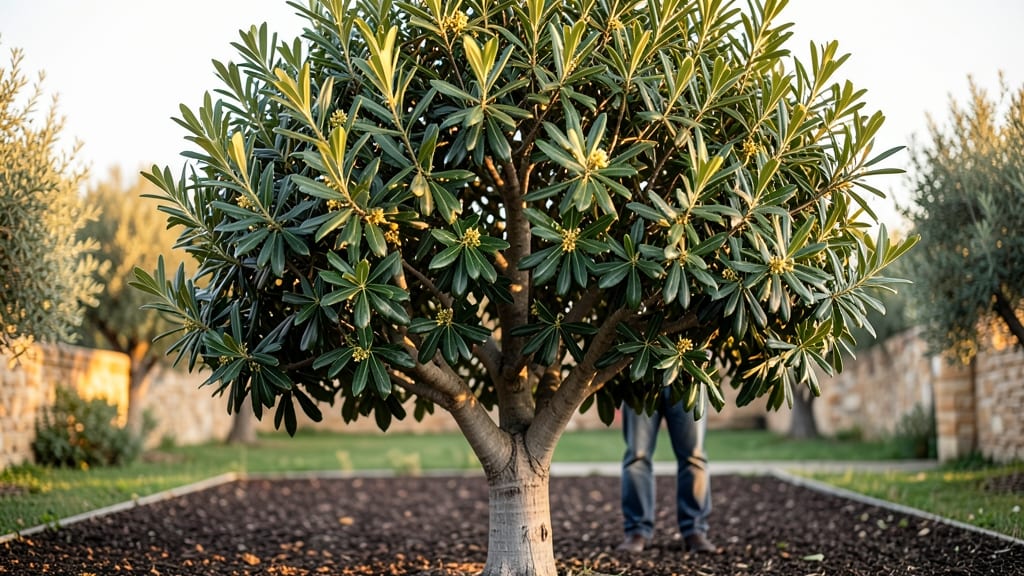
A bay leaf tree grows anywhere from 10 to 40 feet tall at maturity, depending on its variety and growing conditions — and if you’re planning to add one to your garden, size matters more than you might think.
Picture this: a towering Sweet Bay 🌿 reaching for the sky in your backyard, or a compact California Bay thriving in a large pot on your patio.
The difference isn’t just aesthetics—it’s about how you’ll prune, space, and even harvest those fragrant leaves. Some varieties stay manageable, while others demand serious real estate.
If you’re working with limited space, you’ll want to know which types stay under 15 feet or how often to trim to keep growth in check. And if you’re growing one indoors, the size shifts dramatically—think 6-foot ceiling limits instead of sky-high branches.
In this guide, I’ll break down the exact height ranges by variety, how fast they grow, and the simple tricks to control their size—whether you’re dreaming of a lush garden tree or a potted kitchen companion.


Bay leaf tree height by variety: compact vs. large-growing types
The bay leaf tree (Laurus nobilis) comes in stunning varieties, but their mature height can vary dramatically—from a manageable shrub to a towering small tree. If you're planning your garden layout, knowing these differences is key to giving your bay tree the perfect home.
Some varieties stay under 10 feet, while others can reach 40 feet in ideal conditions.
For gardeners with limited space, the Sweet Bay Laurel (classic culinary variety) is often the go-to, but its growth habits depend heavily on pruning and growing conditions.
Meanwhile, the California Bay Laurel and Texas Bay Laurel offer unique aromas and growth patterns that might better suit your climate or aesthetic needs.
Here’s how the most popular bay leaf varieties compare in terms of height, spread, and growth rate, so you can choose the perfect fit for your garden:
| Variety | Mature Height | Mature Spread | Growth Rate | Ideal Spacing | Best For |
|---|---|---|---|---|---|
| Sweet Bay Laurel (Laurus nobilis) | 10–25 ft | 10–15 ft | Moderate (1–2 ft/year) | 15–20 ft apart | Culinary use, hedges |
| California Bay Laurel (Umbellularia californica) | 30–60 ft | 20–30 ft | Fast (2–3 ft/year) | 30–40 ft apart | Shade trees, large gardens |
| Texas Bay Laurel (Ampelopsis arborea) | 15–25 ft | 10–15 ft | Moderate (1–2 ft/year) | 15–20 ft apart | Drought-tolerant areas, wildlife |
| Dwarf Bay Laurel (Laurus nobilis 'Angustifolia') | 6–10 ft | 4–6 ft | Slow (6–12 in/year) | 8–10 ft apart | Containers, small gardens |
The Sweet Bay Laurel is the most common variety for home gardens, especially if you’re growing it for culinary bay leaves. With proper pruning, you can keep it at a manageable 10–15 feet, making it perfect for backyard kitchens or herb gardens.
However, if left unpruned, it can easily reach 25 feet or taller, so plan accordingly.
If you live in USDA Zones 7–10 and want a fast-growing, aromatic tree for shade, the California Bay Laurel is a stunning choice—but its 30–60 feet height means it’s best suited for large properties.
This variety thrives in coastal climates and can even grow into a small forest if given enough space!
For gardeners in drier climates, the Texas Bay Laurel is a fantastic alternative. It grows at a moderate pace and stays slightly smaller than its California cousin, making it ideal for southern gardens. Plus, its leaves are just as fragrant and perfect for cooking.
If space is limited, consider the Dwarf Bay Laurel, a pruned cultivar that tops out at 6–10 feet. This variety is perfect for container gardening or small urban yards. Just be sure to prune it regularly to maintain its compact shape and encourage bushier growth.
When planting any bay leaf tree, remember that ideal spacing is crucial for healthy growth. Give your tree at least 15 feet of clearance from structures or other plants to prevent root competition and allow for proper airflow.
This reduces the risk of fungal diseases and ensures your tree has room to thrive.
For container-grown bay trees, choose a pot that’s at least 24 inches in diameter for dwarf varieties, and 36 inches or larger for standard types. Regular pruning will help control height, but expect even dwarf varieties to reach 6–8 feet in containers over time.
No matter which variety you choose, your bay leaf tree will reward you with fragrant foliage and year-round interest. Just remember: the more you prune, the smaller and bushier it stays—so grab those shears and get shaping!
How fast does a bay leaf tree grow? Annual growth rates explained
Bay leaf trees (Laurus nobilis) are slow to moderate growers, but their growth rate depends heavily on your climate, soil quality, and care routine. In ideal conditions, these evergreen trees can add 12-24 inches per year during their most vigorous years.
However, growth slows dramatically after reaching maturity, which typically occurs between 10-20 years depending on the variety.
Understanding your bay tree’s growth timeline helps you plan pruning and space management. For example, a standard Sweet Bay might reach 10 feet tall in 5 years but won’t hit its 40-foot mature height for decades. Meanwhile, dwarf varieties like ‘Angustifolia’ stay under 8 feet even after 10 years.
🌱 Bay Leaf Tree Growth Timeline
- 🌱 Year 1: 2-4 ft (focus on root establishment)
- 🌿 Year 2-3: 6-12 ft (fastest growth phase)
- 🪴 Year 4-5: 12-18 ft (slower growth begins)
- 🌳 Year 10+: 20-40 ft (mature height varies by variety)
Note: Growth rates double in warm climates (Zones 8-10) with full sun.
Your local climate plays a huge role in growth speed. Bay trees thrive in USDA Zones 7-10 and grow 30-50% faster in coastal or Mediterranean climates where winters are mild. In colder zones (like Zone 6), growth may stall during winter months, adding 1-2 years to reach the same height.
Soil conditions also impact growth rates. Bay trees prefer well-draining, slightly acidic soil (pH 5.5-6.5). Compacted or waterlogged soil can slow growth by up to 50%. Amending your soil with compost or sand before planting gives young trees a 2-3 inch growth boost annually.
Pruning is the easiest way to control growth. Regular late-winter pruning (before new growth starts) keeps bay trees 30-50% smaller than their natural height. For container-grown trees, prune back by 1/3 each year to maintain compact size. Never prune in fall—this stimulates tender new growth that won’t survive winter.
Seasonal growth patterns matter too. Bay trees grow most actively from April through September, with 80% of annual growth occurring in these months. In containers, this seasonal growth can be slowed by 20-30% due to root restriction.
To maximize growth, fertilize with a balanced 10-10-10 in spring and summer only.
For container gardening, expect 50% slower growth than in-ground trees. A 5-gallon pot limits height to 6-8 feet, while a 15-gallon pot allows 10-12 feet. Always use pots with drainage holes and repot every 2-3 years to accommodate root growth.