
Trees
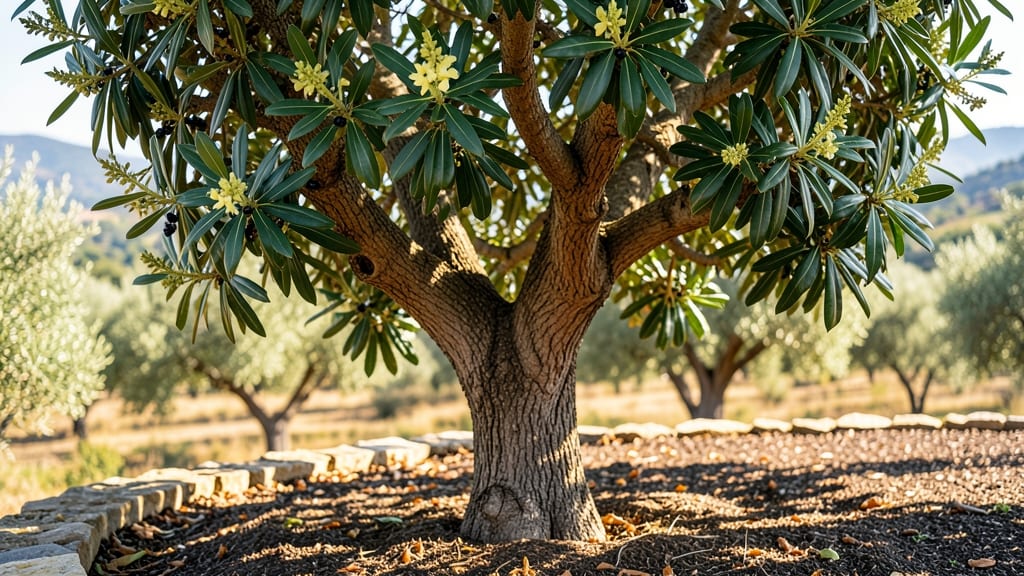
Bay leaf trees grow between 10 and 40 feet tall—depending on whether you're cultivating them indoors or outdoors 🌿. Wondering if your bay leaf tree will soon tower over your kitchen or sprawl across your backyard? Understanding its growth potential is key to keeping it happy—indoors or out.
Outdoor bay leaf trees, given enough space and sunlight, can reach their full height of 20 to 40 feet, making them a striking addition to gardens or landscapes. But indoors, their growth is naturally stunted, typically staying between 6 and 12 feet unless pruned aggressively.
Light exposure, container size, and pruning habits all play a role in controlling their height. With the right care, you can keep a bay leaf tree compact enough for indoor use while still enjoying its fragrant leaves for cooking.
Below, I’ll break down how to manage their growth—whether you want a kitchen-sized shrub or a backyard giant—plus the best pruning tips to keep them at your desired height.


Bay leaf tree height: indoor vs outdoor growth comparison
If you're growing Laurus nobilis—the bay leaf tree—you'll quickly notice its growth habits differ dramatically between indoor containers and outdoor gardens. In nature, these evergreens can reach 20-40 feet tall with proper conditions, but your kitchen countertop or patio will tell a very different story.
Let's break down the numbers and what they mean for your space planning.
The key difference lies in root space and light exposure. Outdoor bay trees have unrestricted root growth, allowing them to develop strong trunks and towering canopies. Indoors, however, container size becomes the limiting factor.
A 5-gallon pot might keep your bay leaf tree at 4-6 feet tall for years, while the same tree in the ground could hit 10 feet in just 5 years.
| Growth Factor | Indoor (Container) | Outdoor (In-Ground) |
|---|---|---|
| Mature Height Range | 4–8 ft (5-gallon pot) 8–12 ft (15-gallon pot) |
15–40 ft (standard varieties) 8–12 ft (dwarf cultivars) |
| Annual Growth Rate | 6–12 inches/year | 2–4 feet/year (young trees) |
| Pruning Impact | Essential for shape; limits height naturally | Encourages bushiness; minimal height restriction |
| Light Requirements | Bright indirect light (4–6 hrs/day) | Full sun to partial shade (6+ hrs/day) |
| Root Space Needed | 15–30 gallons minimum | Unrestricted (spreading roots) |
Your container size directly correlates to height control. A 5-gallon pot will keep your bay leaf tree under 6 feet tall, while upgrading to a 15-gallon container could push it toward 8–12 feet over 5 years.
The secret? Root-bound stress naturally limits vertical growth. When roots fill the pot, the tree focuses energy on leaf production rather than height.
Outdoor bay leaf trees follow a predictable growth curve: 3–5 feet in year 1, 6–10 feet by year 2, and 15+ feet by year 5 if unpruned. The Angustifolia variety, for example, grows 20% faster than standard types when given full sun.
That's why Mediterranean climates see 40-foot giants—they're not just lucky, they're giving their trees the space to thrive.
Pruning plays a dual role in height management. Indoors, regular trimming (every 3–4 months) keeps your tree compact while encouraging bushier foliage. Outdoors, pruning is more about shape control—removing 1/3 of new growth annually can reduce height gain by 30–50% without stunting the tree.
The key is timing: prune right after harvest (late summer) to redirect energy toward lateral branches.
Light exposure is another game-changer. Indoor bay trees need bright indirect light (like an east-facing window) to grow at all. Without enough light, they'll grow leggy and sparse, reaching for sunlight with weak stems.
Outdoors, full sun exposure accelerates growth by 50–100%, turning a 5-year-old tree into a 12-footer instead of a 6-footer. That's why gardeners in USDA Zone 8+ see the most dramatic height differences.
If you're dreaming of a culinary bay leaf tree that stays manageable, consider dwarf varieties like 'Angustifolia' or 'Tiny Tower'. These stay under 8–12 feet tall even outdoors, making them perfect for small yards or large containers.
For indoor growers, rotating your pot every few months ensures even growth and prevents lopsided height spikes toward the light source.
Remember: height isn't everything. A well-pruned bay leaf tree—whether indoors or out—produces more flavorful leaves than an unmanaged giant. Focus on healthy foliage first, and the height will follow your space constraints naturally. Start small, monitor growth, and adjust your pruning schedule as needed.
🌿
Factors that control bay leaf tree height: light, space, and care
Your bay leaf tree (Laurus nobilis) can grow anywhere from 8 feet indoors to a towering 40 feet outdoors, but its height isn't set in stone. The key to controlling its size lies in understanding how light exposure, available space, and regular care interact.
These three factors work together to determine whether your tree stays compact or stretches toward the sky.
Outdoor bay leaf trees thrive with full sun exposure, which naturally encourages rapid vertical growth. Without enough sunlight, your tree may grow leggy and weak, reaching for light but never achieving its full potential.
Meanwhile, container-grown trees face entirely different challenges—root-bound conditions and limited nutrients can stunt growth, keeping them smaller but often healthier for indoor use.
Here’s how each factor directly influences your bay leaf tree’s height:
- 🌞 Sunlight Exposure: 6+ hours daily = 20-40 ft outdoors; 4-6 hours = 8-12 ft indoors
- 🪴 Container Size: 10-gallon pot = 6-10 ft max; 20+ gallon pot = 12-15 ft potential
- ✂️ Pruning Frequency: Annual pruning = controlled height; No pruning = unrestrained growth
- 💧 Watering Consistency: Deep weekly watering = steady growth; Inconsistent water = stunted or leggy
- 🌱 Soil Quality: Well-draining, nutrient-rich = faster, healthier growth; Poor soil = slower, weaker
If you're growing your bay leaf tree indoors, light is your most powerful tool. Place it near an east-facing window for gentle morning sun or use a grow light to supplement natural light.
Without enough light, your tree will stretch toward the nearest window, creating a weak, spindly structure. Rotate the pot every few weeks to ensure even growth and prevent leaning.
For outdoor trees, space planning is critical. Bay leaf trees have aggressive root systems and can spread up to 20 feet wide at maturity. Plant yours at least 15 feet away from structures or other plants to avoid root competition.
If space is limited, consider a dwarf cultivar like 'Angustifolia,' which typically stays under 12 feet tall.
Regular pruning is the secret weapon for controlling height. Prune in late winter or early spring before new growth begins. Cut back 1/3 of the new growth each year to maintain shape and encourage bushier foliage.
Avoid heavy pruning in fall, as this can stimulate tender new growth that won’t survive winter frosts.
Remember, your bay leaf tree’s height is a direct reflection of the care you provide.
With the right balance of light, space, and maintenance, you can grow a tree that fits perfectly in your home or garden—whether you prefer a compact indoor shrub or a towering outdoor specimen. 🌿