
How To
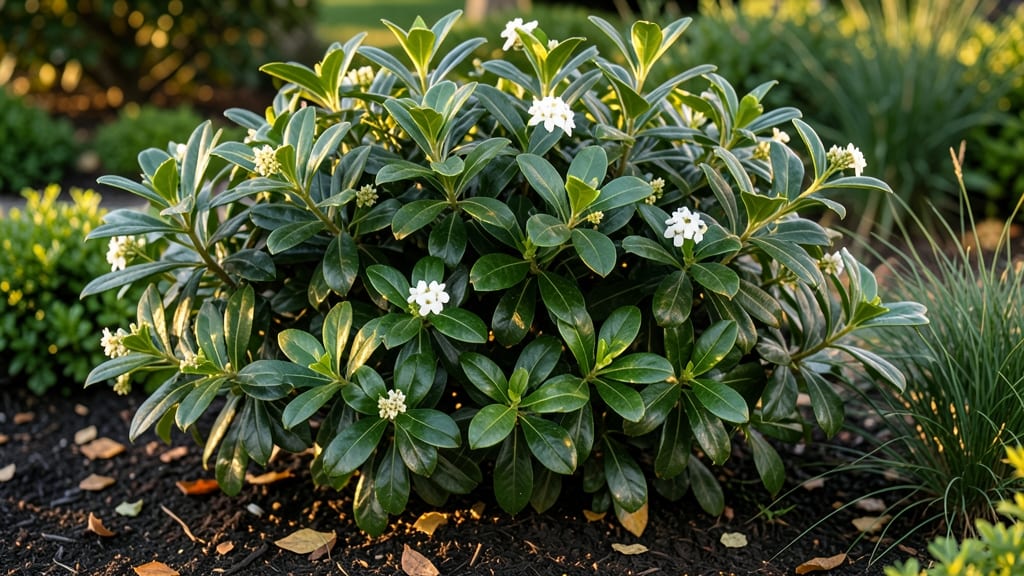
Wax leaf ligustrum grows to 6 to 15 feet tall depending on variety and care, making it a versatile choice for hedges, privacy screens, or even small trees.
If you’re planning to add wax leaf ligustrum (Ligustrum sinense) to your landscape, knowing its growth potential is key—whether you want a dense hedge or a controlled shrub. This fast-growing evergreen can reach surprising heights, but pruning and variety play a huge role in shaping its final size.
For example, unpruned varieties can tower up to 15 feet, while dwarf types stay compact at 3 to 6 feet. The right pruning techniques can also keep it at your desired height, whether that’s a 6-foot hedge or a 10-foot specimen plant.
Below, we’ll cover how to manage its growth, the best conditions for healthy development, and tips to fit wax leaf ligustrum into any garden design—no matter your space or style.


Wax leaf ligustrum height by variety: pruned vs. unpruned growth charts
Wax leaf ligustrum (Ligustrum sinense) is a versatile evergreen shrub that thrives in USDA zones 6-9, but its mature height varies dramatically by variety and pruning habits. Without regular maintenance, some cultivars can tower over your landscape, while others stay compact enough for small gardens.
The key to controlling height lies in understanding each variety’s genetic growth potential and how pruning techniques influence its structure.
For example, the 'Super Excelsa' variety is a popular choice for hedges because it responds well to shearing, but left unpruned, it can reach 12-15 feet tall. Meanwhile, 'Little Lime', a dwarf cultivar, rarely exceeds 3-4 feet even without pruning.
Below, I’ve compiled a growth comparison chart to help you visualize how each variety performs under different conditions.
| Variety | Unpruned Height (ft) | Pruned Hedge Height (ft) | Growth Rate (ft/year) | Best For |
|---|---|---|---|---|
| 'Super Excelsa' | 12-15 | 4-6 (sheared) | 2-3 | Hedges, privacy screens |
| 'Little Lime' | 3-4 | 2-3 (light trim) | 1-1.5 | Borders, containers |
| 'Variegatum' | 8-10 | 3-5 (structured) | 1.5-2.5 | Accent plants, specimen shrubs |
| 'Regal' | 10-12 | 5-7 (formal hedge) | 2-3 | Formal gardens, tall barriers |
| 'Golden Impact' | 6-8 | 3-4 (light pruning) | 1-2 | Foundation plantings, mixed borders |
As you can see, 'Super Excelsa' and 'Regal' are the tallest varieties, making them ideal for privacy screens or tall hedges if you’re willing to invest in regular pruning. On the other hand, 'Little Lime' is perfect for small spaces or container gardening because it stays naturally compact.
The 'Variegatum' variety strikes a balance, offering variegated foliage while remaining manageable at 3-5 feet when pruned.
Pruning isn’t just about height control—it also shapes the density and form of your ligustrum. For example, shearing 'Super Excelsa' into a hedge at 4-6 feet will encourage bushier growth, while selective pruning can create a more natural, layered look.
I recommend pruning in late winter or early spring to avoid stressing the plant during its active growing season.
If you’re planting wax leaf ligustrum for wildlife benefits, like providing cover for birds, you might opt for a taller, unpruned variety. However, if your goal is a manicured landscape, regular pruning will keep the shrub at your desired height while maintaining its evergreen appeal year-round.
Just remember: the earlier you prune, the easier it is to control the plant’s ultimate size.
For container gardening, choose dwarf varieties like 'Little Lime' or 'Golden Impact', as they thrive in 5-gallon pots or larger. These compact types grow well in partial shade, making them versatile for patios or balconies.
Just ensure the container has drainage holes to prevent root rot, which can stunt growth.
One common mistake gardeners make is underestimating the plant’s growth rate. Wax leaf ligustrum can grow 2-3 feet per year under ideal conditions, so if you’re aiming for a 6-foot hedge, start with a 2-year-old plant rather than a young sapling.
This gives you a head start on achieving
How pruning affects wax leaf ligustrum height: when and how to trim
Pruning is the single most effective way to control the height of wax leaf ligustrum. Without regular trimming, this shrub can grow 10-15 feet tall, but strategic pruning keeps it at your desired size while maintaining its dense, lush appearance.
The key is timing—prune at the right season and using the right techniques to avoid stressing the plant.
Wax leaf ligustrum responds best to late winter or early spring pruning, just before new growth begins. This timing encourages vigorous, healthy growth while shaping the shrub.
For hedges, you can also do light trimming throughout the growing season, but avoid heavy pruning in late summer or fall, as this can stimulate tender new growth that may not survive winter.
- 1 Choose the right tools: Use sharp bypass pruners for small branches and hedge shears for larger trims. Sterilize tools with rubbing alcohol to prevent disease spread.
- 2 Assess the shape: Remove dead or crossing branches first. Look for a natural growth pattern—follow the plant’s dominant stems to maintain structure.
- 3 Trim for height control: Cut back 1/3 of the current year’s growth to encourage bushier growth. For hedges, use shears to create clean, even lines at your desired height.
- 4 Shape selectively: Avoid shearing too close to old wood—leave at least 1/4 inch of growth. For a natural look, use hand pruners to trim individual stems.
- 5 Clean up: Remove all clippings from the base of the plant to prevent disease buildup. Apply a balanced fertilizer after pruning to support new growth.
For dwarf varieties like 'Little Lime', prune lightly to maintain their 3-6 foot height. Standard varieties can be kept at 6-10 feet with regular trimming, while unpruned plants will naturally reach their full 10-15 foot potential.
Always prune just above a leaf node or bud to encourage outward growth rather than leggy stems.
If you’re shaping a hedge or formal border, use hedge shears for even cuts and prune every 4-6 weeks during the growing season. For a more natural look, opt for selective pruning to open up the center and allow light to reach inner branches.
This method keeps the shrub healthy and dense while controlling height organically.
Remember, wax leaf ligustrum is highly adaptable, so don’t be afraid to experiment with shapes. Just avoid over-pruning—never remove more than 1/3 of the plant’s foliage in a single session. With the right approach, you’ll have a well-shaped, healthy shrub that fits perfectly in your landscape design. ✂️🌿