
How To
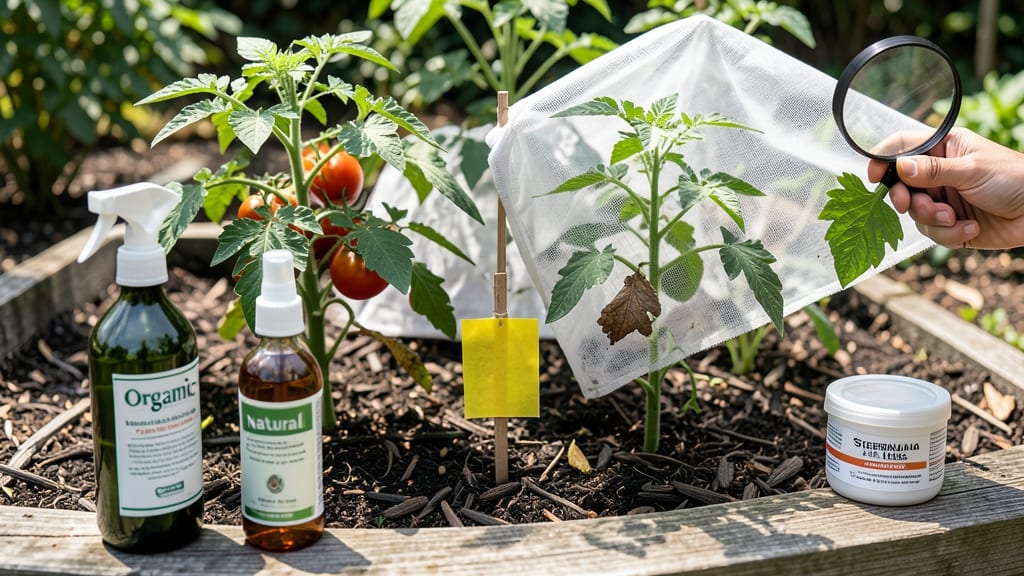
How to get rid of leaf miners naturally—those sneaky pests that turn your lush foliage into skeletal shadows. 🌿 I’ve battled these pests for years, and the neem oil-soap spray combo finally gave me back my thriving plants—without harsh chemicals. The key is acting fast, before the damage spreads beyond repair.
These tiny worms tunnel through leaves, creating winding trails that weaken plants. But here’s the good news: you don’t need toxic sprays. A homemade mix of neem oil, insecticidal soap, and water smothers larvae on contact while preventing new eggs from hatching.
I’ve seen complete recovery in just two weeks of consistent treatment.
The real secret? Healthy plants resist attacks better. Proper spacing, regular pruning, and releasing parasitic wasps (nature’s pest control) keeps miners at bay. Once you spot the first signs—those telltale white squiggles—you’ll know exactly what to do.
This method works for tomatoes, peppers, basil, and more, and it’s safe for kids and pets. Let’s get your garden back to full, green glory—naturally.
The Hidden Culprits Behind Leaf Miners
Leaf miners are tiny but mighty pests that can turn your lush garden into a skeleton of chewed foliage. But why do they strike in the first place?
Understanding their behavior—and the conditions that invite them—is the first step to reclaiming your plants naturally. Let’s break down the science behind these sneaky invaders.
Leaf miners aren’t actually "mining" for gold—they’re the larval stage of small flies or moths (like the serpentine leaf miner, Liriomyza trifolii, or the apple leaf miner, Phyllonorycter blancardella). Here’s how it works:
- Egg Stage: Adult flies lay eggs on the underside of leaves. These eggs are nearly invisible (about 0.5mm wide) and hatch in 3–7 days, depending on warmth.
- Larval Stage (The Damage Phase): Once hatched, the larvae burrow into leaf tissue, creating serpentine or blotchy mines as they feed. This is the stage you see—and the stage that ruins your plants.
- Pupation & Emergence: After 1–2 weeks of feasting, larvae drop to the soil, pupate, and emerge as adult flies ready to repeat the cycle.
Why it matters: Warm, humid conditions speed up their life cycle, leading to multiple generations per season. If left unchecked, a single female can lay 100+ eggs, turning your garden into an all-you-can-eat buffet.
Leaf miners target stressed or weakened plants. Here’s what makes your garden a prime dining spot:
- Poor Nutrition: Plants deficient in nitrogen, phosphorus, or potassium are more susceptible. Yellowing leaves or stunted growth? That’s a red flag (literally).
- Overcrowding: Dense foliage traps humidity and warmth, creating the perfect nursery for leaf miner eggs. Poor airflow also makes it harder for natural predators to patrol.
- Recent Pruning or Damage: Fresh cuts or wounds attract adult flies, who mistake them for soft, tender leaves. Think of it like a "Welcome Mat" for pests.
- Overwatering: Soggy soil weakens roots, while excess moisture on leaves makes them stickier—ideal for egg-laying flies.
Pro Tip: 💡 Healthy plants are 50% of the battle. Regular feeding with balanced fertilizer and proper spacing can make your plants less appealing to leaf miners.
Leaf miners thrive in specific conditions. If your garden matches these, you’re basically rolling out the welcome mat:
- Warm Springs & Summers: Temperatures between 60–85°F (15–30°C) accelerate their life cycle. No winter? No problem—they’ll keep multiplying.
- High Humidity: Moist air helps eggs survive longer and larvae grow faster. Dewy mornings = leaf miner heaven.
- Drought Stress: While overwatering is bad, drought-stressed plants also attract miners because their compromised defenses make them easier targets.
Regional Note: 🌍 Leaf miners are worst in subtropical and temperate zones (e.g., California, Florida, the UK, and Australia). If you’re in these areas, proactive monitoring is key.
In a balanced ecosystem, leaf miners face dozens of natural enemies. But if these predators are missing, the miners take over:
- Birds & Lizards: They snack on adult flies and pupae.
- Parasitic Wasps: Tiny braconid wasps lay eggs inside leaf miner larvae, killing them from within.
- Ground Beetles & Spiders: They hunt larvae and eggs.
- Beneficial Nematodes: Microscopic soil-dwellers that attack pupae.
Why it’s a problem: 🎯 Pesticides, habitat loss, or monoculture gardening can wipe out these allies, leaving your plants defenseless. Encouraging biodiversity (like planting flowers for wasps) is a game-changer.
Now that you know why leaf miners crash your garden parties, the next step is flipping the script—and turning your plants into a fortress instead of a feast. Stay tuned!
Natural Fixes for Leaf Miner Damage
Now that you understand the causes behind leaf miners, it’s time to tackle them with effective, chemical-free solutions. These methods focus on disrupting the larvae’s life cycle, strengthening your plants, and preventing future infestations.
Below, we’ve mapped out practical fixes based on the most common causes—so you can choose what works best for your garden.
Cause: Larvae tunneling under leaves weaken plants and spread. Solution:
- 🔪 Snip and toss heavily damaged leaves (where you see visible mines) into a sealed trash bag—do not compost them! Larvae can survive and reinfest.
- 🌱 Prune strategically: Focus on new growth or lower leaves where miners love to hide. Avoid over-pruning, as stressed plants attract more pests.
- 💡 Pro Tip: Check the undersides of leaves first—miners often start there before moving upward.
Prevention:
- 🌡️ Monitor weekly: Inspect plants every 5–7 days during peak miner season (spring/summer). Early removal stops larvae from pupating.
- ✨ Keep plants healthy: Stronger plants resist pests better. Water consistently (but avoid soggy soil) and fertilize with balanced organic options like compost tea.
Cause: Eggs hatch into larvae that feed on leaf tissue. Solution:
- 🍳 Mix your spray:
- 1 tbsp 100% cold-pressed neem oil
- 1 tsp horticultural oil (or mild dish soap)
- 1 quart water
- Optional: Add 1 tsp cayenne pepper (for extra repellent power).
- 👨🍳 Apply at dusk (to avoid harming bees) and reapply every 5–7 days until no new mines appear.
- 🌿 Cover the undersides thoroughly—larvae hide there!
Prevention:
- 🔥 Rotate treatments: Use neem oil alternately with insecticidal soap (below) to prevent resistance.
- 🌱 Plant companions: Interplant with basil, marigolds, or dill—their scents deter leaf miners naturally.
Cause: Larvae are soft-bodied and vulnerable to suffocation. Solution:
- 🥘 Blend this:
- 1 tbsp liquid Castile soap (or mild dish soap like Dawn)
- 1 quart water
- Optional: 1 tsp rubbing alcohol (enhances effectiveness).
- 💦 Spray directly on mines (focus on tunnels) and reapply every 3–4 days until infestation clears.
- ⚠️ Test first: Spray a small leaf to ensure it doesn’t cause browning.
Prevention:
- 🎯 Target young larvae: Soap works best within 24 hours of hatching. Check plants after rain (eggs hatch faster when wet).
- 🌡️ Boost plant resilience: Mulch with straw or wood chips to retain moisture and reduce stress.
Cause: Eggs laid in soil hatch into larvae that migrate to leaves. Solution:
- 🔥 Apply beneficial nematodes** (Steinernema feltiae) to soil:
- Mix
- Water soil lightly the day before and again after application (nematodes need moisture to move).
- ⏰ Best time: Early morning or late evening (avoid direct sunlight).
Prevention:
- 🌿 Rotate crops: Avoid planting susceptible plants (e.g., basil, beans) in the same spot yearly.
- 🌡️ Solarize soil: In hot climates, cover soil with clear plastic for 4–6 weeks to bake out eggs and larvae.
Cause: Adult flies lay eggs on leaves, starting the cycle. Solution:
- 🌿 Use floating row covers (lightweight fabric) over young plants to block adult flies.
- 🔄 Remove covers when plants flower (to allow pollination).
- 💡 For potted plants: Place fine mesh screens over pots until harvest.
Prevention:
- 🌱 Choose resistant varieties: Some plants (e.g., Swiss chard, kale, or collard greens) tolerate miners better than others like basil or parsley.
- 🌡️ Encourage predators: Ladybugs and lacewings eat leaf miner eggs. Attract them with dill, fennel, or yarrow in your garden.
Cause: Adult flies emerge and lay eggs before you notice damage. Solution:
- 🍎 Hang yellow sticky traps near plants to catch adult miners.
- 🔄 Check traps daily and replace every 1–2 weeks.
- 💡 Place traps 2–3 feet above ground (where flies hover).
Prevention:
- 🌿 Clean up debris: Remove fallen leaves and weeds where flies lay eggs.
- 🌡️ Avoid overwatering: Wet foliage attracts flies. Water at the base in the morning.
The best defense? A thriving ecosystem that doesn’t invite pests. - 🌱 Diversify plants: Monocultures attract miners. Mix herbs, flowers, and veggies. - 💪 Boost soil health: Healthy soil = strong plants.
Add compost or worm castings seasonally. - 🌿 Practice crop rotation: Move susceptible plants to new beds each year.
Remember: Consistency is key! Leaf miners take 2–4 weeks to fully clear with natural methods. Stick with your chosen treatments, and your plants will bounce back—mine-free and lush!** 🌿💚
Frequently asked questions
How do I know if my plants have leaf miners?
Look for white or brown squiggly trails on leaves—these are the larvae feeding inside. Check the undersides of leaves first, as that’s where adult flies lay eggs. You might also see tiny black specks (frass, or waste) along the tunnels.
Can I use neem oil on edible plants like basil or tomatoes?
Yes! Neem oil is safe for edible plants when used correctly. Just wait 24 hours after spraying before harvesting. Always use 100% cold-pressed neem oil (no additives) and apply at dusk to protect bees.
What if my plants are already heavily damaged?
Remove severely damaged leaves immediately to stop the spread. For moderate cases, focus on neem oil or insecticidal soap. If 50%+ of leaves are affected, consider replacing the plant—some varieties (like basil) may not recover fully.
How often should I reapply natural sprays?
For neem oil, spray every 5–7 days until no new mines appear. Insecticidal soap needs 3–4 day reapplication. Rain washes off sprays, so reapply after heavy rain. Consistency is key—leaf miners reproduce quickly!
Will parasitic wasps actually work in my garden?
These tiny wasps are nature’s pest control. Release them in the morning when they’re most active. They target larvae without harming plants or beneficial insects. For best results, use them alongside neem oil for a 1-2-1 punch.