
How To
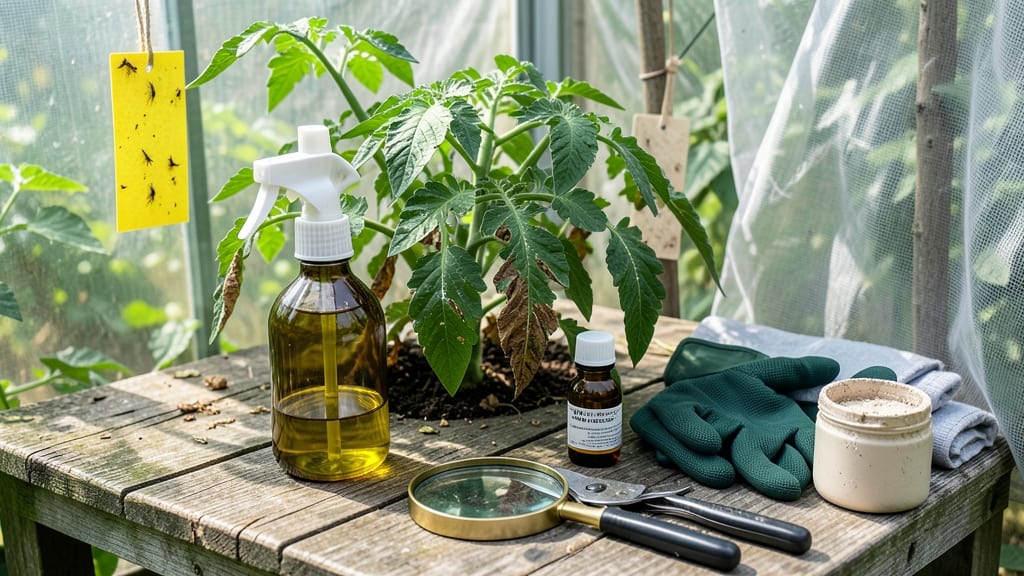
Leaf miners turn your lush foliage into a skeleton act overnight. 🌿 I’ve battled these sneaky pests in my vegetable garden, and I’ll show you the organic spray cure that stops them in their tracks—without harsh chemicals. The key? Catching them early and hitting them with the right treatment.
These tiny larvae create winding tunnels in leaves, weakening plants and making them look like Swiss cheese. My go-to fix combines neem oil spray (applied at dusk) with beneficial nematodes in the soil. Within a week, the mines stop spreading, and new growth fills in the damage. The best part?
It works on tomatoes, peppers, and herbs—my top leaf miner targets. You’ll see results faster than you think: fresh, undamaged leaves within 10-14 days if you act before the infestation spreads. The spray is safe for pollinators once dry, and the nematodes boost soil health long-term.
No more wilting, yellowing mess—just strong, happy plants. This method works year-round, but spring and summer are critical for early intervention. Once you’ve mastered the spray, I’ll show you how to keep them away for good with simple prevention tricks. Let’s reclaim those leaves!
The Hidden Culprits Behind Leaf Miners
Leaf miners aren’t just random pests—they’re the result of specific conditions that attract their larvae to your plants. Understanding why these tiny invaders show up is the first step to stopping them before they cause damage. Here’s a breakdown of the key triggers:
Leaf miners start life as eggs, laid by adult leaf miner flies (commonly Phytomyza or Liriomyza species).
These flies are often drawn to: - Young, tender leaves – New growth is softer and easier for larvae to burrow into. - Warm, humid conditions – Eggs hatch faster in temperatures between 60–85°F (15–30°C) and high humidity. - Overcrowded plants – Dense foliage provides more hiding spots for flies to deposit eggs.
Once hatched, the larvae chew serpentine tunnels inside the leaf, creating the telltale "mining" damage. The longer they stay, the more they weaken the plant.
Healthy plants are less appealing to leaf miners, but stress signals attract them like a buffet.
Common stressors include: - Overwatering or poor drainage – Soggy roots make plants vulnerable, and excess moisture encourages fungal growth that attracts pests. - Nutrient deficiencies – Plants low in nitrogen, phosphorus, or potassium produce weaker leaves, making them easier targets. - Physical damage – Pruning wounds, hail, or insect bites create entry points for eggs and larvae. - Drought stress – While some pests avoid drought, leaf miners may still thrive if other conditions (like humidity) are right.
Pro Tip: 💡 A strong plant is your best defense—ensure proper watering, balanced fertilizer, and good air circulation to deter infestations.
Not all plants are equally at risk—leaf miners have favorite hosts, including:
- Vegetables: Basil, beans, beets, Brussels sprouts, cabbage, carrots, celery, chard, kale, lettuce, onions, parsley, peppers, spinach, and tomatoes.
- Herbs: Dill, cilantro, and parsley are particularly vulnerable.
- Ornamentals: Roses, viburnum, and some shrubs can also fall prey.
These plants often have soft, thin leaves that make it easy for larvae to tunnel through. If you’re growing high-risk crops, monitor them closely during peak fly season (spring to early summer).
Leaf miners are opportunistic—they strike when conditions are perfect for their life cycle:
- Spring and early summer – Warmth and new growth peak their activity.
- Greenhouse environments – Controlled humidity and warmth create ideal breeding grounds.
- Urban gardens with nearby wild plants – Weeds like dandelions and plantain can harbor leaf miner populations that spill over to your crops.
Warning Sign: ⚠️ If you notice white, serpentine trails in leaves, act fast—larvae can mature in just 10–14 days and spread rapidly.
In a balanced ecosystem, birds, parasitic wasps, and predatory mites keep leaf miner populations in check. But if your garden lacks:
- Diverse plantings (monocultures attract more pests).
- Beneficial insects (like ladybugs or lacewings).
- Wildlife corridors (birds and bats that eat adult flies).
…leaf miners can explode in numbers without natural checks.
Leaf miners don’t appear out of nowhere—they’re drawn by weak plants, ideal conditions, and specific host preferences. By addressing these root causes (stress, humidity, seasonality, and plant choice), you can dramatically reduce their impact before they take over.
The good news? Once you know why they’re there, you can outsmart them with targeted organic solutions.
Quick fixes for leaf miner damage
Now that you know why leaf miners wreak havoc on your plants, it’s time to roll up your sleeves and take action! 🌿🛠️ The good news? Most solutions are simple, effective, and—best of all—eco-friendly.
Below, we’ve mapped out the best fixes based on the root cause of your leaf miner problem, along with prevention tips to keep those pesky larvae from returning. Let’s get your plants back to their healthy, vibrant selves!
If you’re seeing visible tunnels and larvae wriggling around, manual removal is your first line of defense. This step is quick, satisfying, and often enough to stop the spread.
How to do it:
- 🔍 Inspect your plants in the early morning or late afternoon when leaf miners are sluggish. Look for white or green maggots (larvae) crawling on the undersides of leaves.
- 🧤 Wear gloves (optional but recommended—no one wants to deal with a leaf miner itch later!).
- 🧹 Use a soft brush or damp paper towel to gently scrape off the larvae. Drop them into a bucket of soapy water to dispatch them humanely.
- 🗑️ Dispose of heavily damaged leaves in the trash (not your compost bin—leaf miners can survive there!).
Pro tip: 💡 Focus on new growth first, as larvae love fresh, tender leaves. Repeat this process every few days until you no longer see active miners.
Leaf miners start as eggs laid by adult flies, so blocking their access can nip the problem in the bud (literally).
How to do it:
- 🧢 Use fine mesh netting (like tulle or insect-proof netting) to cover young plants or seedlings. Secure it tightly around the stems or use clips to keep flies out.
- 🍃 Apply reflective mulch around the base of plants. Materials like aluminum foil or reflective plastic can disorient adult flies, making it harder for them to land and lay eggs.
- 🌿 Prune regularly to remove old or damaged leaves where eggs might hide. Aim for good airflow—leaf miners thrive in crowded, humid conditions.
Pro tip: ✨ For potted plants, place them on yellow sticky traps (available at garden centers) to catch adult flies before they lay eggs.
Once the eggs hatch, organic sprays can suffocate larvae and deter adult flies. These are safe for plants, pets, and humans—just avoid spraying on edible leaves right before harvest.
Best organic sprays and how to use them:
| Spray | How to Apply | Frequency | Bonus Benefits |
|---|---|---|---|
| Neem Oil | Mix 1 tsp neem oil + 1 tsp mild soap + 1 quart water. Spray undersides of leaves thoroughly. | Every 5–7 days until infestation clears. | Repels adults, disrupts larval growth. |
| Insecticidal Soap | Use a store-bought or homemade version (1 tbsp castile soap per quart water). Spray directly on larvae. | Every 3–4 days for severe cases. | Kills larvae on contact; safe for most plants. |
| Kaolin Clay | Mix 1 cup kaolin clay + 1 gallon water. Spray to form a protective film on leaves. | Every 7–10 days or after rain. | Creates an unwelcoming surface for flies. |
| Garlic or Chili Pepper Spray | Blend 4 garlic cloves or 1 chili pepper + 1 quart water, strain, and spray. | Every 5 days. | Natural repellent; adds a mild scent deterrent. |
Pro tip: 🌡️ For best results, spray early in the morning or late evening to avoid harming beneficial insects like bees.
Healthy plants are resilient! Strengthen your greenery to make it less appealing to leaf miners.
How to do it:
- 💧 Water deeply but less often to avoid soggy soil (leaf miners love moisture). Water at the base of the plant to keep leaves dry.
- 🌱 Feed with compost or balanced fertilizer (like 10-10-10) to encourage new, tougher growth. Avoid over-fertilizing—leaf miners target stressed or overfed plants.
- 🌿 Rotate crops if you’re growing vegetables. Leaf miners often target the same families (e.g., brassicas like kale or cabbage). Plant unrelated veggies in the same spot next season.
Pro tip: 💪 Companion planting can help! Try pairing susceptible plants with marigolds, basil, or dill, which repel leaf miner flies naturally.
If your garden is part of a larger ecosystem, consider inviting nature’s pest controllers!
Best allies:
- 🐝 Parasitic Wasps (Diglyphus isaea or Chlorocytus sp.): These tiny wasps lay eggs inside leaf miner larvae, killing them from within. Order them online or find them at garden centers.
- 🦋 Ladybugs and Lacewings: While they prefer aphids, they’ll also snack on leaf miner eggs and young larvae. Release them in the evening when they’re most active.
Pro tip: 🎯 For best results, introduce beneficial insects after you’ve manually removed most larvae. This gives them a steady food source without overpopulating.
Final Thought: Consistency is key! Leaf miners can return if you don’t address the root cause (literally). Combine manual removal, organic sprays, and plant care for the best results. With a little effort, your plants will bounce back—and stay miner-free! 🌟
Frequently asked questions about leaf miners
How do I know if my plants have leaf miners?
Look for white or brown serpentine trails inside leaves—these are the telltale signs of leaf miner larvae feeding. Check the undersides of leaves for tiny white maggots (larvae) or adult flies resembling small gnats. Heavy infestations cause leaves to yellow, wilt, or die prematurely.
Can I save heavily damaged leaves?
No, remove any leaves with extensive mining trails immediately. These leaves won't recover and can harbor more larvae. Drop them in a sealed trash bag (not compost)—leaf miners can survive in compost piles and reinfest your garden.
Will neem oil work if I only spray the tops of leaves?
No, always spray both sides of leaves where larvae hide. Mix 1 tsp neem oil + 1 tsp soap per quart of water and apply thoroughly to undersides. Reapply every 5-7 days until no new mines appear.
Are leaf miners harmful to humans or pets?
Not directly, but some gardeners report mild skin irritation from handling larvae. Wear gloves when removing miners manually. The organic sprays (neem oil, insecticidal soap) are safe for pets once dry, but avoid spraying directly on pet areas or edible leaves before harvest.
How long does it take to see results from treatments?
With consistent treatment, you should see improvement in 7-14 days. New growth will appear healthier as existing larvae die off. For severe cases, combine manual removal with organic sprays for faster results. Monitor plants daily for new mining activity.