
How To
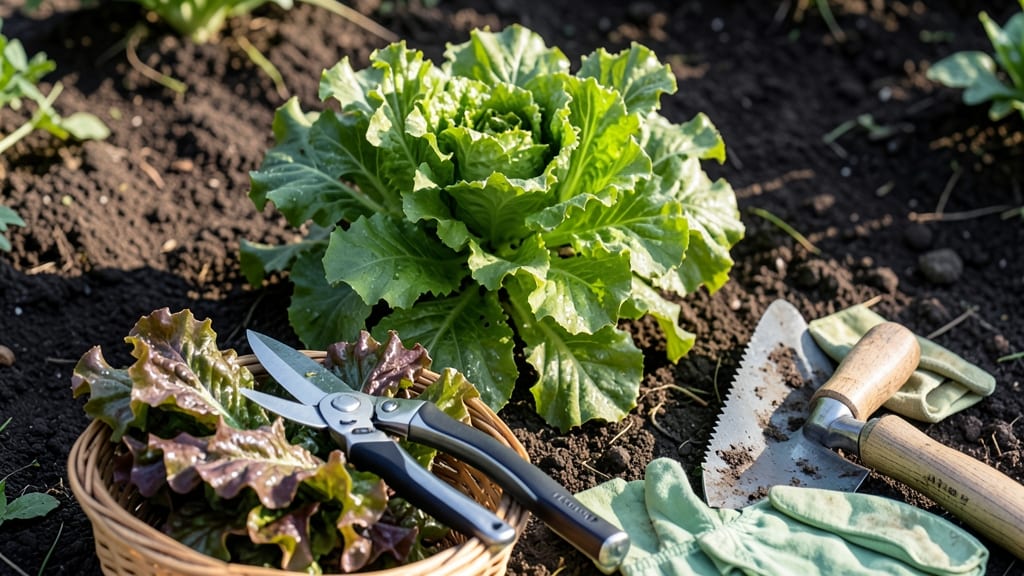
Harvesting leaf lettuce 🥬 the right way means you get fresh, crisp greens without sacrificing future growth—no more pulling the whole plant just to get a few leaves!
Want crisp, fresh leaf lettuce all season long? The secret isn’t harvesting the whole head—it’s mastering the art of strategic snipping that keeps your plants thriving while you enjoy a steady harvest.
Timing matters most: wait until leaves reach 4-6 inches and are deep green and firm, but never let them bolt or turn bitter. A sharp pair of scissors or clean hands are all you need for a clean cut that won’t damage the plant.
Below, I’ll walk you through the exact when and how to snip for continuous growth, plus how to revive your lettuce after each harvest so you can keep eating fresh greens for weeks.

When to harvest leaf lettuce for maximum yield and flavor
Timing your leaf lettuce harvest correctly ensures you get the best flavor and continuous growth—not just a single harvest. Unlike head lettuce, leaf varieties like romaine, butterhead, and loose-leaf thrive when you snip strategically.
The key is waiting for 4-6 inch leaves that are crisp and vibrant, while avoiding bolting (flowering) or over-maturity.
For first-time harvesters, the biggest mistake is waiting too long. If you delay beyond 30-60 days after planting, your lettuce may bolt—especially in hot weather. Instead, start harvesting outer leaves when they reach 4-6 inches to encourage regrowth in the center.
This method, called cut-and-come-again, keeps your plants productive for weeks or even months.
Environmental factors like temperature and daylight also play a role. Leaf lettuce grows best in cool seasons (spring/fall), with ideal temperatures between 45°F and 75°F.
If your area hits consistent 80°F+ days, your lettuce may bolt prematurely. Shade cloth can help delay bolting during summer heatwaves.
Here’s a quick reference for harvest timing based on leaf size and plant maturity:
| Stage | Leaf Size | Days After Planting | Harvest Method | Flavor & Texture |
|---|---|---|---|---|
| Early Growth | 2-3 inches | 21-28 days | Avoid harvesting | Too tender, risk stunting |
| First Harvest | 4-6 inches | 30-40 days | Snip outer leaves | Crisp, sweet, mild |
| Subsequent Cuts | 3-5 inches (new growth) | Every 7-10 days | Cut-and-come-again | Balanced flavor, firm |
| Over-Mature | 6+ inches, bitter | 60+ days | Harvest entire plant | Bitter, tough texture |
| Bolting Risk | Any size (if stressed) | Varies by heat | Harvest immediately | Bitter, flowering |
Note: Cut-and-come-again works best with loose-leaf varieties like oakleaf or red leaf.
For continuous harvests, focus on outer leaves first. Use clean, sharp pruning shears or scissors to cut just above a leaf node (where new leaves emerge).
This encourages the plant to redirect energy to new growth instead of flowering. Avoid pulling leaves—this can damage the root system and stunt regrowth.
Watch for visual cues like yellowing edges or stretched stems, which signal over-maturity or nutrient stress. If your lettuce starts to bolt (send up a tall flower stalk), harvest it immediately—bolted lettuce becomes bitter and tough.
In hot climates, consider shade cloth or succession planting every 2-3 weeks for a steady supply.
Pro tip: Morning harvests yield the crispest leaves because dew hasn’t settled yet. Rinse leaves immediately in cool water to remove dirt and pests, then store them in a perforated bag in the fridge for up to 5-7 days.
This keeps them fresher longer than plastic-wrapped lettuce, which traps moisture and causes rot.
If you’re growing multiple varieties, like romaine and butterhead, harvest them at slightly different times. Romaine handles slightly larger leaves (6+ inches) better, while butterhead tastes best when leaves are 3-4 inches and tender. Always leave at least 3-4 inner leaves to keep the plant producing.
Remember: Patience pays off. Rushing your harvest by snipping too early leads to small, underdeveloped leaves, while waiting too long results in bolting or bitterness. With the right timing, you’ll enjoy fresh, flavorful lettuce for weeks—not just days. Happy harvesting! 🥬
Step-by-step guide to snipping leaf lettuce without killing the plant
Harvesting leaf lettuce the right way means you get continuous harvests without sacrificing the plant’s health. The key is selective snipping—never cutting more than 1/3 of the plant at once. This method preserves the growth center while giving you fresh leaves for weeks.
I’ve learned that sharp tools and proper technique make all the difference between a thriving plant and a struggling one.
Before you grab your scissors, check for mature leaves—they should be 4-6 inches long and deep green. Avoid harvesting leaves that are still tender or pale, as these won’t be flavorful.
Use clean, sharp pruners or garden shears to prevent tearing, which can invite disease. Always snip just above a leaf node (the point where leaves attach to the stem) to encourage new growth.
How to Harvest Leaf Lettuce
-
Step 1: Choose the Right Tools
Use sharp pruning shears or clean scissors to avoid crushing stems. Disinfect tools with rubbing alcohol before use to prevent disease spread. -
Step 2: Identify Mature Leaves
Select outer leaves that are 4-6 inches long and fully crisp. Avoid inner leaves still growing toward the center. -
Step 3: Make a Clean Cut
Snip just above a leaf node at a 45-degree angle to maximize surface area for new growth. Never tear leaves—this damages the plant. -
Step 4: Limit Harvest to 1/3 of the Plant
Remove no more than 1/3 of the foliage per harvest. This ensures the plant retains enough energy to regrow. -
Step 5: Water Immediately After
Give the plant 1 inch of water post-harvest to reduce stress. Water in the morning to allow foliage to dry quickly. -
Step 6: Fertilize Lightly (Optional)
Apply a balanced fertilizer (5-10-10) 3-5 days after harvesting to support regrowth. Avoid over-fertilizing, which can cause bolting.
One of the biggest mistakes I see is harvesting too aggressively—cutting too many leaves at once or removing the entire plant. This shocks the lettuce and can lead to bolting (premature flowering) or stunted regrowth.
Always prioritize outer leaves first, as these are the most mature and won’t compromise the plant’s center. If your lettuce starts to bolt (sends up a tall flower stalk), it’s a sign you’ve over-harvested or stressed the plant.
After harvesting, keep an eye on your lettuce for signs of stress or disease. Yellowing leaves or wilting can indicate overwatering or nutrient deficiency. If you notice pests like aphids, treat them immediately with neem oil or insecticidal soap.
Mulching around the base with straw or grass clippings helps retain moisture and suppress weeds, which can compete with your lettuce for nutrients.
With the right technique, your leaf lettuce can produce multiple harvests over 6-8 weeks. I’ve had success with varieties like Buttercrunch and Black Seeded Simpson, which regrow well after snipping.
Store harvested leaves in the fridge for up to 5 days in a paper towel-lined container to keep them crisp. Happy harvesting!