
How To
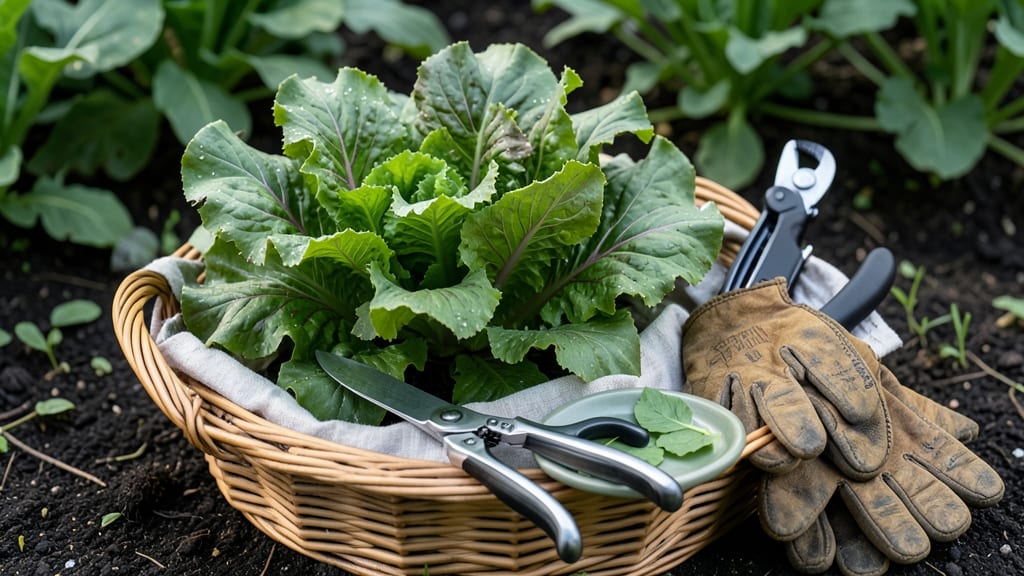
To harvest loose leaf lettuce at its peak flavor and keep your garden producing, focus on timing and technique—it’s simpler than you think.
Picture this: you’ve waited 6-8 weeks for your 🥬 to grow, only to pull a bitter leaf or watch the plant bolt. The secret isn’t just when you pick—it’s how.
Harvest the outer leaves first, leaving the inner ones to regrow, and you’ll enjoy a steady supply all season long.
You’ll need just a few basics: sharp scissors, a pair of gloves, and a clear understanding of leaf maturity.
Skip the guesswork with my step-by-step guide, where I’ll walk you through the exact moment to harvest, the tools that make it easier, and the little tricks (like proper spacing) that keep your lettuce thriving.
By the end, you’ll know not just how to harvest loose leaf lettuce, but why it matters—so you can enjoy fresh, crisp greens without the frustration of wasted plants.

When to harvest loose leaf lettuce for maximum yield and flavor
Timing your loose leaf lettuce harvest is everything—pick too early, and you miss flavor; harvest too late, and the leaves turn bitter. The key is watching for leaf size, maturity stages, and environmental cues like temperature shifts that signal peak readiness.
For most varieties, you can start harvesting just 30 days after planting, but true flavor and texture develop between 45-60 days.
Loose leaf varieties like Buttercrunch or Oakleaf thrive when you harvest outer leaves first, leaving the inner leaves to keep growing. This method ensures a continuous supply while avoiding the bitter bolting that happens when plants mature fully.
The ideal leaf size for harvest is 4-6 inches long, with vibrant color and crisp texture—never let leaves exceed 8 inches or they’ll toughen.
Environmental factors play a huge role: cooler temperatures (50-70°F) enhance sweetness, while hotter days (above 75°F) trigger bolting. In spring, aim for harvests in April-May; in fall, September-October works best.
If your plants bolt prematurely (send up tall flower stalks), blame heat stress or nutrient deficiencies—both can be prevented with proper care.
🌱
| Stage | Leaf Size | Days After Planting | Temperature Range | Harvest Tip |
|---|---|---|---|---|
| Early Harvest | 2-4 inches | 30-40 days | 50-65°F | Pick outer leaves only; leave inner leaves to grow. |
| Peak Flavor | 4-6 inches | 45-55 days | 55-70°F | Harvest entire outer leaves or cut 1/3 of plant height. |
| Over-Mature | >8 inches | 60+ days | >75°F | Leaves turn bitter; harvest immediately or remove plant. |
| Bolting Risk | Any size | Any time | >80°F or drought | Provide shade cloth and increase watering to delay bolting. |
Signs of over-maturity include yellowing edges, tough stems, or bitter taste. If you notice these, harvest immediately or remove the plant to prevent seed production, which ends the growing cycle.
For continuous harvests, space plantings 2-3 weeks apart—this ensures fresh leaves every 4-6 weeks without gaps.
Morning is the best time to harvest because dew-free leaves stay crisp longer. Use clean, sharp scissors or fingers to avoid damaging the plant. Always leave at least 1-2 inches of growth at the base to encourage regrowth.
If your lettuce tastes mild but bland, it’s under-mature; if it’s sharp or bitter, it’s over-mature.
🌿
Extending your harvest season requires seasonal adjustments. In spring, focus on shade protection as temperatures rise; in fall, use row covers to shield from early frosts. Varieties like Black Seeded Simpson or Salad Bowl handle heat better than others, making them ideal for summer harvests.
Always monitor soil moisture—drought stress is the #1 cause of premature bolting.
Pro tip: Fertilize lightly with a high-nitrogen feed (like 5-10-10) every 4-6 weeks to promote leafy growth. Avoid over-fertilizing, which leads to leafy but flavorless plants. Pair this with consistent watering (1 inch per week) to keep your lettuce crisp and sweet all season.
☀️
Step-by-step harvesting techniques to encourage regrowth
Harvesting loose leaf lettuce the right way is the secret to a never-ending supply of fresh greens. Unlike head lettuce, loose leaf varieties thrive when you pick leaves selectively—this encourages the plant to produce more tender, flavorful leaves over time.
The key is gentle removal of outer leaves while leaving the inner growth intact. I’ve learned that even a slight misstep—like cutting too close to the base—can stunt regrowth or trigger bolting (flowering).
Before you grab your shears, check leaf maturity. Aim for leaves that are 4-6 inches long and fully developed, with vibrant color. These are ready to harvest while still tender and crisp.
If you wait too long, the leaves may turn bitter or tough. I’ve found that morning harvests work best because the leaves are hydrated and cool, making them easier to handle and store.
How to Harvest Loose Leaf Lettuce for Continuous Growth
- 1 Choose the right tool: Use clean, sharp pruning shears or your fingers for small leaves. Avoid dull scissors—they crush stems and slow regrowth.
- 2 Pick outer leaves first: Gently grasp a mature outer leaf near its base and twist or snip just above the next set of leaves. This protects the growth point at the center.
- 3 Leave 1-2 inches of stem: Never cut into the inner rosette. A clean 1-inch gap between cuts prevents disease and encourages new leaves to form faster.
- 4 Harvest in stages: Pick 1/3 of the plant at a time to avoid shocking it. For example, harvest 3-4 large leaves from a mature plant every 2-3 days.
- 5 Post-harvest care: Water deeply immediately after harvesting to replenish moisture. Follow up with a light nitrogen fertilizer (like fish emulsion) to boost regrowth.
One common mistake I see is cutting too close to the base or removing too many leaves at once. This stresses the plant and can lead to bolting (premature flowering). Another pitfall is harvesting during hot afternoons, which causes leaves to wilt faster.
Always store harvested leaves in a perforated plastic bag in the fridge to maintain crispness for up to 5-7 days.
To keep your loose leaf lettuce producing, rotate your harvests around the plant. This ensures even growth and prevents uneven leaf development. I’ve also noticed that consistent watering (every 2-3 days) and mulching with straw help retain moisture, which is critical for regrowth.
If your lettuce starts to bolt, it’s often a sign of heat stress or over-maturity—time to succession plant a new batch.
With these techniques, you’ll enjoy continuous harvests for months. The first time I tried this method, my lettuce plant gave me three harvests over 10 weeks—far more than I expected! The secret is patience and precision in your harvesting approach. 🌱