
How To
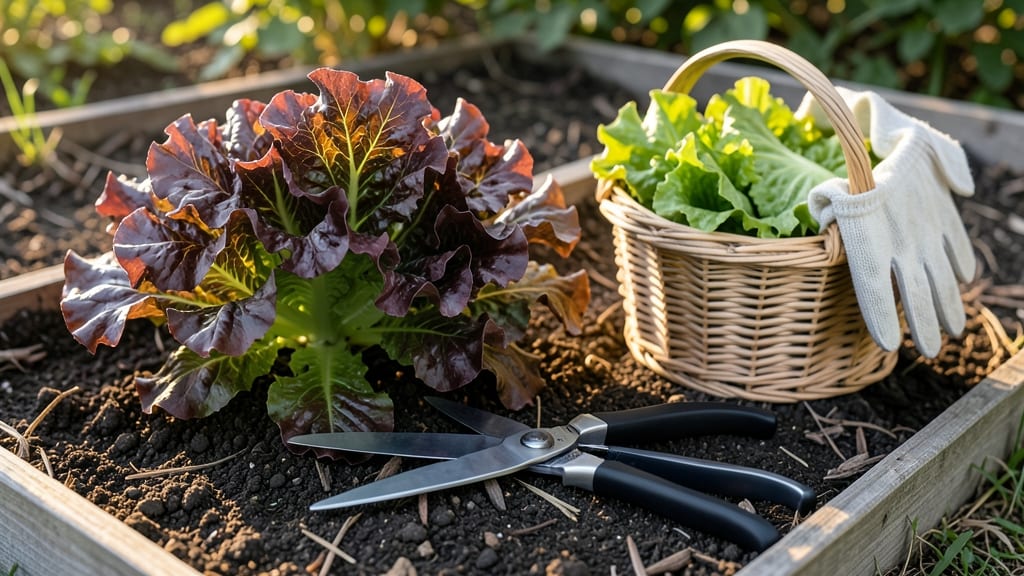
Harvesting red leaf lettuce 🥬 at the right time turns your garden into a never-ending salad bar—if you know the secrets to timing and technique.
Picture this: you’ve nurtured your vibrant red leaf lettuce through spring’s cool mornings, only to watch it bolt into bitter, flowery disappointment because you waited too long. Or worse, you snip too much and stunt its regrowth, leaving you with wilted scraps instead of crisp, restaurant-quality leaves.
This guide reveals exactly when to harvest—by leaf size, color, and season—and how to cut without damaging the plant so you can enjoy multiple harvests all season long. No more guesswork, just a steady supply of fresh, tender greens straight from your garden.
You’ll learn the ideal harvest window (yes, there’s a sweet spot), the best tools for clean cuts, and how to coax your lettuce back to full growth after each trim. Ready to turn your garden into a salad machine?


When to harvest red leaf lettuce for maximum flavor and texture
Timing your harvest of red leaf lettuce is everything—cut too early, and you’ll miss out on rich flavor; wait too long, and you risk bitterness or bolting.
The sweet spot? When leaves reach 4-6 inches long with deep crimson coloring and a crisp texture. This balance ensures tender, flavorful greens perfect for salads or sandwiches.
I’ve learned the hard way that weather conditions also play a role. Harvest on cool, overcast mornings to preserve moisture and crispness. Avoid harvesting in extreme heat or after heavy rain, as this can stress the plant and dull its flavor.
Pay attention to the stem thickness too—thinner stems indicate younger, more tender leaves.
For year-round harvests, plan your planting schedule carefully. In spring, aim to harvest between May and June when temperatures are mild. In fall, you’ll get another window from October to November before the first frost.
Each season offers slightly different flavor profiles, so experiment to find your favorite.
Visual cues are your best friends when deciding harvest time. Look for leaves that are deep red with no yellowing or wilting. The edges should curve slightly, signaling maturity. If the central stem starts elongating or the leaves develop a bitter taste, you’ve waited too long.
| Stage | Leaf Size | Color | Texture | Harvest Time |
|---|---|---|---|---|
| Baby Leaves | 2-3 inches | Light green | Tender | 30-40 days |
| Optimal Harvest | 4-6 inches | Deep red | Crisp | 45-55 days |
| Over-Mature | 6+ inches | Yellowing | Bitter | 60+ days |
| Bolting | Any size | Pale | Tough | After 60 days |
If you’re growing red leaf lettuce for cut-and-come-again harvesting, focus on the outer leaves first. These mature faster and allow the inner leaves to continue growing. Snip or gently twist them off at the base, leaving at least half the plant intact to regenerate.
This method extends your harvest window by weeks and keeps your lettuce productive.
For full-head harvesting, wait until the entire plant reaches maturity—usually around 55-60 days after sowing. The head should be compact with tightly packed leaves. Cut the entire plant at the base with a sharp knife or clean scissors.
This method is ideal if you prefer larger, more substantial lettuce heads for wraps or sandwiches.
One common mistake I see is harvesting only the largest leaves while ignoring the smaller ones. This can lead to an uneven harvest and stress the plant. Instead, practice selective harvesting—pick leaves based on size and maturity, leaving younger leaves to grow.
This ensures a steady supply of fresh greens without overburdening the plant.
In hot climates, red leaf lettuce may bolt prematurely. To delay bolting, provide afternoon shade during peak summer months and keep the soil consistently moist. Mulching with straw or shredded leaves helps maintain even soil temperatures and retains moisture, giving you more time to enjoy fresh harvests.
Finally, always store harvested leaves properly to maintain their crisp texture and vibrant color. Wrap them in a damp paper towel and place in a plastic bag in the refrigerator.
This keeps them fresh for up to 5-7 days. For long-term storage, consider freezing or drying excess harvests to enjoy their flavor year-round.
Step-by-step guide to cutting red leaf lettuce without damaging the plant
Harvesting red leaf lettuce properly is the secret to enjoying tender, flavorful leaves for weeks—not just once. Unlike delicate varieties, red leaf lettuce thrives with cut-and-come-again harvesting, but only if you follow the right techniques.
One wrong cut can trigger bolting or stunted regrowth, turning your prize plant into a bitter disappointment. Let’s master the art of harvesting so you can enjoy fresh greens all season long.
First, choose the right tool—your hands or sharp scissors. I prefer clean, sharp scissors for precision, but many gardeners swear by hand-plucking for minimal damage. The key is to avoid crushing stems or tearing leaves, which invites pests and disease.
Work during cool morning hours when leaves are crisp and hydrated, reducing stress on the plant. Never harvest after a hot afternoon or when leaves are wilted.
How to Harvest Red Leaf Lettuce
- Step 1: Identify mature outer leaves (4–6 inches long) with deep red color. These are ready for harvest while inner leaves stay protected.
- Step 2: Hold the leaf firmly at the base. Use sharp scissors to cut 1/4-inch above the next leaf, or pinch the stem between thumb and forefinger for a clean break.
- Step 3: Leave 2–3 inner leaves intact to keep the plant producing. Never remove more than 1/3 of the plant at once.
- Step 4: Rinse leaves in cool water to remove dirt, then pat dry with a clean towel or paper towel to prevent rot.
- Step 5: Store harvested leaves in a perforated plastic bag in the fridge for up to 5–7 days, or use immediately for salads.
- Step 6: After harvesting, water the base deeply to encourage regrowth. Add a light nitrogen fertilizer (5-10-10) if leaves look pale.
One of the biggest mistakes I see is over-harvesting—gardeners get excited and trim too much at once. If you remove more than 30% of the plant, the center may bolt or produce bitter leaves.
Instead, focus on outer leaves first and let the inner rosette recover. Another common error? Using dull tools, which crush stems and invite rot. Always sanitize scissors with rubbing alcohol between uses.
After harvesting, your red leaf lettuce can regrow for 4–6 weeks if cared for properly. Keep the soil consistently moist (not soggy) and mulch around the base to retain moisture. If leaves turn yellow or wilt, it’s a sign of stress—either from over-harvesting or underwatering.
In hot climates, provide afternoon shade to prevent bolting. With the right care, one plant can yield multiple harvests all season!
Pro tip: For baby leaves, harvest when they’re 3–4 inches tall—they’re sweeter and more tender. For full heads, wait until the plant reaches 6–8 inches in diameter.
Either way, always harvest on a dry day to avoid muddy leaves, and never pull leaves—always cut or pinch to keep the plant healthy. Your garden (and taste buds) will thank you!