
Light Requirements
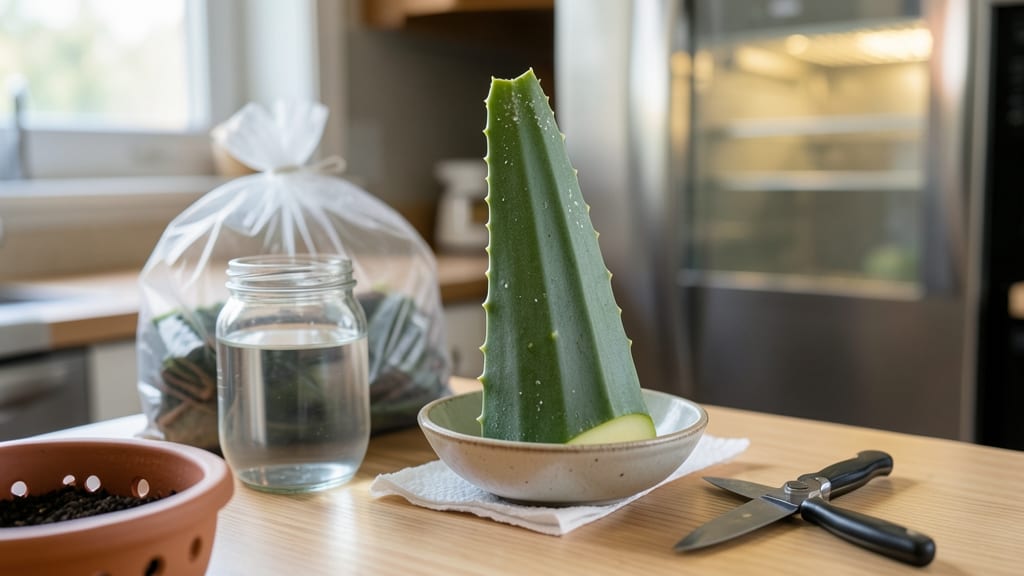
Storing a cut aloe vera leaf wrong means losing its soothing gel within days. ✨ The secret to keeping that fresh, usable gel for up to 10 days lies in proper trimming, drying, and refrigeration—no fancy equipment needed.
I’ve saved countless leaves from turning slimy or drying out completely by following these simple steps after harvesting.
First, trim the leaf’s spiky edges with kitchen shears, then let it dry for 10-15 minutes to seal the cut. This prevents moisture loss and bacterial growth—the two biggest enemies of fresh aloe gel.
Once dry, wrap the leaf tightly in plastic wrap or store it upright in a sealed container with a damp paper towel to maintain humidity.
When refrigerated, your leaf stays plump and potent for nearly two weeks. The gel remains thick, clear, and perfect for burns, minor cuts, or even skincare—no slimy texture or off smells.
Just avoid freezing unless you’re planning to use it within 3-4 months, as cold temperatures can alter the gel’s consistency.
This method works for any aloe leaf, whether you’re harvesting from your plant or grabbing one from the grocery store. The key is speed—store it within 24 hours of cutting to lock in freshness. Now you’ll never waste another leaf again!
📚 In This Guide
- What you need
- Instructions
- Tips and common mistakes
- Wrapping up and next steps
What you need
- ● Fresh aloe vera leaf – Choose a plump, mature leaf (at least 12 inches long) with no yellowing or browning.
- ● Sharp knife or kitchen shears – A clean, sterilized blade (preferably stainless steel) to avoid contamination.
- ● Cutting board – A clean, food-safe surface (preferably plastic or wood) to minimize bacterial transfer.
- ● Air-tight container – A glass jar, plastic container with a tight seal, or a reusable silicone bag (ensure it’s sterilized).
- ○ Plastic wrap or aluminum foil – For wrapping the leaf before storage (optional but recommended for extra freshness).
- ● Paper towels or clean cloth – To pat the leaf dry and remove excess gel.
- ● Spoon or spatula – For scooping out the gel (if storing separately).
- ● Refrigerator – Must maintain a temperature between 35–40°F (2–4°C) for optimal storage.
- ● Vitamin E oil (1–2 drops) – Acts as a natural preservative to slow oxidation (mix with gel if storing for longer).
- ● Lemon juice (1 tsp) – A natural antibacterial agent to extend shelf life (add to gel before sealing).
- ● Small bowl or ramekin – For portioning gel if you plan to use it in recipes.
- ● Labeling tape & marker – To mark the container with the storage date (helps track freshness!).
Step-by-Step guide for storing cut aloe vera leaves
Keep your aloe vera gel fresh and ready to use for up to 10 days with this simple, no-fuss method.
🌿 Step 1: Select and Prepare the Leaf
Choose a thick, plump aloe vera leaf—thinner leaves yield less gel. Use a sharp knife to cut it cleanly at the base, leaving about 1 inch of stem attached. This prevents the gel from leaking out too quickly. Hold the leaf upright for a minute to let any excess sap drain naturally into the stem.
Rinse the cut end under cool water to remove any dirt or debris. Pat it dry with a paper towel—moisture speeds up spoilage. I like to wipe the outer skin gently with a damp cloth to remove any waxy residue, which helps the gel stay fresher longer.
💧 Step 2: Extract the Gel Safely
Place the leaf on a cutting board and angle it slightly. Use a sharp knife to slice off the spiky edges along the sides, exposing the clear gel inside. I start at the base and work my way up, keeping the blade parallel to the leaf to avoid tearing the gel. Scoop out the gel with a spoon, leaving about ¼ inch of gel attached to the leaf skin—this helps maintain structure.
Transfer the gel to a clean, airtight container. If you’re storing the whole leaf for later extraction, wrap it loosely in a paper towel to absorb any excess moisture. The key here is to avoid sealing the leaf in a fully enclosed space—trapped moisture causes mold within days.
⏰ Step 3: Store for Maximum Freshness
For immediate use, store the gel in an airtight glass container in the fridge. It’ll stay fresh for up to 10 days, though the texture may soften slightly after 5 days. If storing the whole leaf, place it upright in a jar with the cut end down—this keeps the gel intact and prevents leakage.
Label the container with the date. I add a sticky note with the leaf’s harvest date and any notes like "thick gel" or "mild flavor" to track freshness. For longer storage, freeze the gel in ice cube trays—it lasts up to 3 months and is perfect for quick applications.
☀️ Step 4: Use and Maintain Freshness
When ready to use, let the gel sit at room temperature for 10-15 minutes to soften slightly. If storing whole leaves, extract the gel fresh each time—it’s always more vibrant. For best results, use the gel within 3 days of extraction for the most potent benefits.
To extend shelf life, avoid exposing the gel to direct light or heat. Store it in the coldest part of your fridge, usually the back shelf. If you notice a sour smell or slimy texture, discard it immediately—these are signs of spoilage.
Tips & tricks for perfect aloe vera gel preservation
These simple yet game-changing strategies will help you maximize your aloe vera's shelf life and potency every time.
Leaf Selection Matters: Always choose the thickest, plumpest leaves from mature plants—they contain the most gel and have thicker protective layers. I look for leaves that are at least 12 inches long and have a firm, heavy feel. Younger, thinner leaves yield less gel and spoil faster due to their thinner skin. This simple selection step can double your gel yield per plant!
Drainage is Non-Negotiable: That one-minute upright hold after cutting in Step 1 is crucial—it allows excess sap to drain into the stem, which prevents premature spoilage. I've learned this the hard way after storing leaves with residual sap that turned moldy within 48 hours. For extra insurance, place the cut leaf in a small bowl or jar for those first few minutes to catch any dripping sap.
Container Choice Makes All the Difference: While any airtight container works, glass is superior because it doesn't absorb odors or flavors that can compromise your gel's purity. I prefer wide-mouth mason jars for whole leaves—they allow the leaf to stand upright naturally. For extracted gel, small glass jars with tight seals prevent oxidation. Pro tip: Leave a tiny air gap in the container when storing whole leaves to prevent condensation buildup, which accelerates spoilage.
Labeling System That Saves You: I can't stress this enough—always label your containers with both the date AND any special notes about the leaf's characteristics. I use a small sticky note with three pieces of information: harvest date, leaf size ("large" or "small"), and any visible characteristics ("thick gel" or "mild flavor"). This system helps me track freshness and quality over time, ensuring I always use the freshest gel for my skincare routines.
Pro Tips for Store Cut Aloe Vera Leaf
- These simple yet game-changing strategies will help you maximize your aloe vera's shelf life and potency every time.
- Leaf Selection Matters: Always choose the thickest, plumpest leaves from mature plants—they contain the most gel and have thicker protective layers.
- Drainage is Non-Negotiable: That one-minute upright hold after cutting in Step 1 is crucial—it allows excess sap to drain into the stem, which prevents premature spoilage.
Frequently asked questions
about storing cut aloe vera leaves—because even the best prep has hiccups! Here’s what you need to know before (or after) slicing that leaf.How long does a cut aloe vera leaf stay fresh in the fridge?
A properly stored cut aloe vera leaf (gel + skin intact) lasts 7–10 days in the fridge. For longer storage (up to 2 weeks), freeze the gel in ice cube trays. Pro tip: If the edges turn brown or mushy, it’s time to use it!
Can I store aloe vera gel without the skin?
Yes, but the skin acts as a natural barrier to slow oxidation. If you remove it, store the gel in an airtight container with a splash of water or lemon juice (to preserve freshness) and refrigerate. Use within 5–7 days for best results.
How do I know if my stored aloe vera has gone bad?
Watch for these red flags:
- Good: Slightly translucent gel, mild aloe scent.
- Bad: Dark brown/black spots, slimy texture, or a sour smell (like fermented fruit). Toss it!
If it smells slightly tangy but looks okay, it’s still usable for skincare (just avoid ingesting).
What’s the best way to revive wilted aloe vera gel after storage?
If your gel looks dry or separated, don’t panic! Mix it with 1 tsp of water or aloe vera juice and let it sit for 10 minutes. Stir gently—it should plump back up. For stubborn clumps, blend it briefly with a splash of honey or coconut water to restore smoothness.
Can I store aloe vera in the freezer without a container?
Not recommended! Freezing aloe gel without a container (like an ice cube tray or silicone mold) risks freezer burn and contamination. Use freezer-safe bags or airtight containers, leaving 1-inch headspace for expansion. Label with the date—gel freezes well for up to 6 months!
Is it safe to store aloe vera with other foods?
Yes, but keep it separate from strong-smelling foods (like garlic or fish) to avoid flavor transfer. Store it in the crisper drawer (high humidity) or a sealed container in the main fridge section. Avoid the door—temperature fluctuations speed up spoilage.
Wrapping up and next steps
Storing your cut aloe vera leaf properly ensures you always have fresh, soothing gel ready when you need it—whether for skincare, sunburn relief, or natural remedies! 🌱 With just a few simple steps, you can extend its shelf life to 10 days in the fridge while keeping its healing properties intact.
Don’t let your hard work go to waste—preserve that gel like a pro!
Now that you’re equipped with the best storage tips, why not experiment with aloe vera recipes? Try blending it into face masks, soothing after-sun lotions, or even refreshing drinks. Your skin (and your pantry) will thank you! 💚