
How To
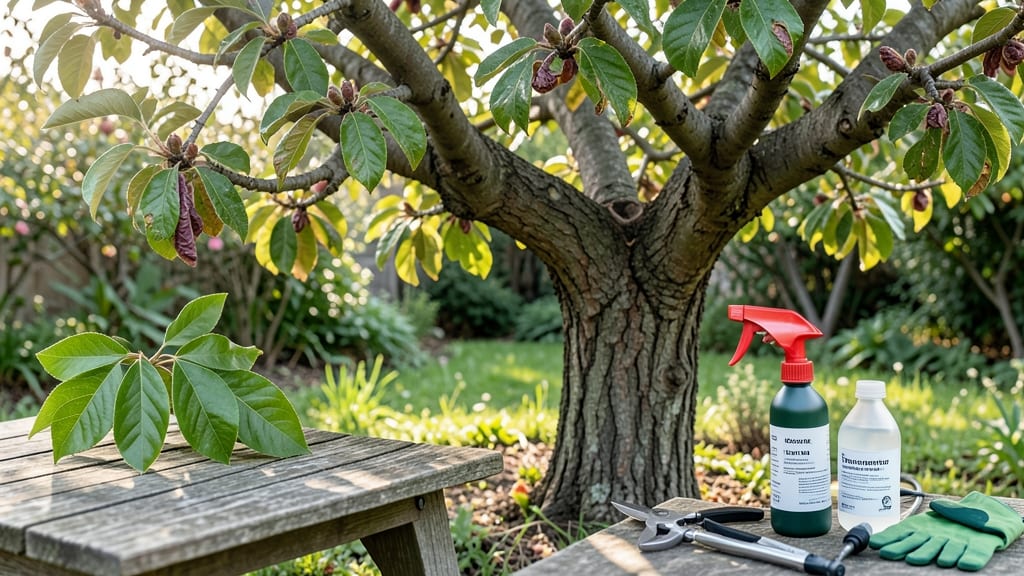
How to treat leaf curl on peach trees before it ruins your harvest? That’s peach leaf curl, and it’s fast to treat if you catch it early. 🌿 I’ve battled this stubborn fungus for years, and the key is timing—spraying before buds swell in late winter or early spring stops it dead in its tracks. The fungus thrives in wet, cold conditions, so pruning out infected leaves in fall and applying copper fungicide or lime sulfur before buds break is your best defense. Skip this, and you’ll end up with stunted branches and fewer peaches by summer. What you’ll get is a tree that pushes out fresh, green leaves instead of the puckered, yellowing mess. The spray schedule is simple: two applications, 2-3 weeks apart, and your tree will bounce back stronger than ever. Works for home growers and orchard owners alike—no fancy equipment needed. Let’s get that tree healthy again!
Root Causes of Peach Leaf Curl
Peach leaf curl is a frustrating but manageable disease that can turn your beautiful peach tree into a sad, stunted shadow of its former self. But why does it happen in the first place?
The answer lies in a mix of pathogens, environmental triggers, and tree stress. Let’s break down the real culprits behind this common affliction.
The primary cause of peach leaf curl is the fungus Taphrina deformans. This microscopic invader thrives in moist, cool conditions and infects peach trees during late fall, winter, or early spring—when the tree is dormant but still vulnerable.
- How it spreads: The fungus overwinters on infected buds, leaves, or bark.
When spring arrives, it releases asexual spores that infect new growth, causing the telltale curled, thickened leaves. - Why it’s sneaky: Unlike many fungi, Taphrina deformans doesn’t produce visible spores in the air—it spreads via direct contact with infected plant parts.
Even a single infected branch can contaminate an entire tree. - 💡 Pro Tip: If you’ve had leaf curl before, prune and dispose of infected branches in the fall (not compost!) to starve the fungus.
Peach leaf curl doesn’t just appear out of nowhere—it needs the right weather window to take hold. Here’s what makes your tree a prime target:
| Weather Factor | How It Helps the Fungus | Risky Conditions |
|---|---|---|
| Cool, Wet Springs | Moisture activates fungal spores on buds, allowing infection before leaves unfurl. | 50–60°F with rain or dew for 2+ weeks |
| Winter Rain | Fungus thrives in damp, chilly conditions, multiplying on dormant buds. | >1 inch of rain during dormancy (Nov–Mar) |
| High Humidity | Prolonged leaf wetness (even from morning dew) gives spores time to germinate. | >70% humidity for 48+ hours |
| Sudden Temperature Swings | Stress from cold snaps weakens tree defenses, making it easier for the fungus to invade. | Freeze-thaw cycles in late winter/early spring |
- 🌡️ Key Insight: If your area gets consistent rain from November through March, your peach tree is at high risk. The fungus can even survive under bark scales if winters are mild.
A healthy peach tree can resist leaf curl better than a stressed one. Common stressors that open the door for infection include:
- Poor Nutrition 🍃
- Low nitrogen (N): Leads to weak, sparse growth—fungus loves soft, tender new shoots.
- Deficient zinc or boron: These micronutrients help cell wall strength; without them, leaves become more susceptible.
- 💡 Fix It: Test your soil in early fall and amend with compost or a balanced fertilizer (10-10-10).
- Physical Damage ⚔️
- Pruning wounds left open in late fall/winter can serve as entry points for the fungus.
- Hail or frost cracks in bark expose vulnerable tissue.
- 🔪 Solution: Prune only in late winter (after dormancy) and seal large cuts with pruning sealant.
- Overwatering or Drought 💦
- Too much water: Soggy soil weakens roots, reducing the tree’s ability to fight infection.
- Drought stress: A tree struggling for water can’t allocate energy to disease resistance.
- ⏰ Best Practice: Water deeply once a week in dry spells, but avoid waterlogging.
- Crowded or Shaded Growth 🌳
- Poor airflow from dense foliage or nearby trees traps moisture, creating a fungal paradise.
- 🌿 Fix: Thin out branches to improve sunlight and air circulation by 20–30%.
If you’re planting a new peach tree, location matters:
- Low-lying areas where cold air pools and moisture lingers.
- North-facing slopes that stay cooler and wetter longer.
- 📍 Smart Move: Choose a south or west-facing site with good drainage and at least 6 hours of sunlight daily.
Once leaf curl takes hold, it doesn’t disappear—it reinfests the same tree (or nearby trees) every season. Here’s the cycle:
- Fall/Winter: Fungus hides in buds, bark crevices, or fallen leaves.
- Spring: Spores activate with moisture, infecting new growth.
- Summer: Infected leaves curl, thicken, and drop prematurely—but the fungus survives on the tree or in debris.
- Next Year: Repeat.
- 🚫 Break the Cycle: Remove and destroy all infected leaves/branches before they fall (burn or trash them—do not compost).
Not all peach trees succumb to leaf curl—genetics and care play a role:
- Susceptible Varieties: Some cultivars (like ‘Elberta’ or ‘Redhaven’) are more prone than others (e.g., ‘Reliance’ or ‘Contender’).
- Young Trees: Saplings have weaker defenses than mature trees.
- 🌟 Resistant Options: If you’re planting new, choose leaf curl-resistant peach varieties (check with local nurseries).
Bottom Line: Peach leaf curl is almost always preventable when you understand its triggers. By addressing fungal pressure, weather risks, and tree health, you can stop it before it starts.
The good news? Once you know the enemy, you can outsmart it with the right fungicide schedule (coming up next!).
Fix Leaf Curl Fast
Leaf curl on peach trees is frustrating, but with the right approach, you can reverse the damage and prevent future outbreaks. The key is identifying the cause—whether it’s peach leaf curl fungus (Taphrina deformans), environmental stress, or pests—and applying targeted solutions.
Below, we break down practical fixes for each common cause, plus prevention tips to keep your trees healthy.
Symptoms: Thickened, curled, red or purple leaves in early spring; stunted growth.
1️⃣ Apply a Fungicide at the Right Time
🔥 Best fungicides for leaf curl:
- Copper fungicides (e.g., Bordeaux mixture, copper sulfate)
- Lime sulfur (organic option)
- Systemic fungicides (e.g., myclobutanil, propiconazole—follow label rates)
👨🍳 When to spray:
- Dormant season (late fall or winter): Apply before buds swell (Nov–Feb in most climates).
- Early spring (just as buds begin to open): A second spray boosts protection.
- Reapply every 2–4 weeks if rain washes it off (check local fungal activity).
💡 Pro Tip: Mix fungicide with horticultural oil for better adhesion in wet conditions.
2️⃣ Prune Infected Branches
✂️ How to prune:
- Remove severely curled or deformed leaves/branches in late winter/early spring (before new growth).
- Sterilize pruners with rubbing alcohol to prevent spreading spores.
- Dispose of pruned material far from the tree (do not compost).
3️⃣ Improve Airflow & Tree Health
🌡️ Prevention tips:
- Thin out dense branches to reduce humidity (fungus loves damp leaves).
- Water at the base (avoid overhead sprinkling, which spreads spores).
- Fertilize in early spring with balanced 10-10-10 or compost to strengthen the tree.
Symptoms: Mild curling, yellowing, or stunted growth (not red/purple like fungus).
1️⃣ Protect from Late Freezes
❄️ How to shield peach trees:
- Cover young trees with frost blankets on cold nights (below 28°F).
- Avoid late-season nitrogen fertilizers, which encourage tender new growth vulnerable to frost.
2️⃣ Test & Amend Soil
📊 Soil fixes:
- Test pH (ideal: 6.0–6.5). Add lime if too acidic or sulfur if too alkaline.
- Add organic matter (compost or well-rotted manure) to improve drainage.
- Mulch with wood chips (2–3 inches) to regulate soil temperature.
3️⃣ Water Deeply & Consistently
💧 Best practices:
- Water deeply 1–2 times per week (1–1.5 inches total).
- Avoid soggy soil—peach trees hate "wet feet."
- Drip irrigation is best (prevents fungal splash from overhead water).
Symptoms: Curling from sap-sucking pests; sticky residue (honeydew) on leaves.
1️⃣ Blast Off Pests with Water
🚿 DIY pest control:
- Spray leaves with a strong hose (disrupts aphid colonies).
- Neem oil spray (1 tsp neem oil + 1 tsp mild soap per quart of water) repeated weekly.
2️⃣ Introduce Beneficial Insects
🐞 Natural predators:
- Ladybugs (eat aphids)
- Lacewings (devour mites)
- Praying mantises (general pest control)
3️⃣ Use Insecticidal Soap (Last Resort)
🧼 When to use:
- If pests persist, spray insecticidal soap (follow label—apply early morning/late evening to avoid burning leaves).
✅ Do this every year to stop leaf curl:
- Spray fungicide in dormant season (Nov–Feb).
- Prune in late winter (remove dead/diseased wood).
- Monitor for pests (check undersides of leaves weekly).
- Keep grass trimmed around the tree (reduces hiding spots for pests).
- Avoid over-fertilizing (too much nitrogen = weak, susceptible trees).
Final Thought: Leaf curl is manageable—but early action is key. Start with fungicide sprays in winter, prune aggressively, and boost tree health with proper care. With consistency, your peach tree will bounce back stronger than ever**! 🍑✨
Frequently asked questions about peach tree leaf curl
Can I still harvest peaches if my tree has leaf curl?
The disease itself doesn't make peaches toxic, but infected trees produce fewer and smaller fruits due to stunted growth. If you spot leaf curl early in spring, you may still get some peaches, but the quality and quantity will suffer. Focus on treating the fungus to protect next year's harvest.
How do I know if my peach tree has leaf curl or just nutrient deficiency?
Leaf curl from fungus causes thickened, curled leaves with red/purple hues in early spring, while nutrient deficiencies show as uniform yellowing (chlorosis) or stunted growth without color changes. Check for curled, puckered leaves—this is your key symptom. Test soil pH if unsure.
Is lime sulfur safe for edible fruit trees like peaches?
Yes, but with proper timing! Apply lime sulfur only during dormancy (late fall/winter)—never when flowers or fruit are present. The active ingredient (sulfur) breaks down quickly and won't harm fruit if used correctly. Always follow label instructions for concentration and application rates.
Will pruning alone cure leaf curl?
No, pruning removes infected parts but won't stop reinfection. You must combine pruning with fungicide sprays (applied before buds swell) to break the disease cycle. Prune in late winter, then spray copper fungicide or lime sulfur—this two-step approach gives you the best chance of control.
How long does it take to see improvement after treatment?
You'll notice new growth looking healthier within 4-6 weeks of proper treatment. The curled leaves won't recover, but fresh leaves should emerge normal. For severe cases, it may take a full growing season to see significant improvement in tree vigor and fruit production.