
Leaf Blower
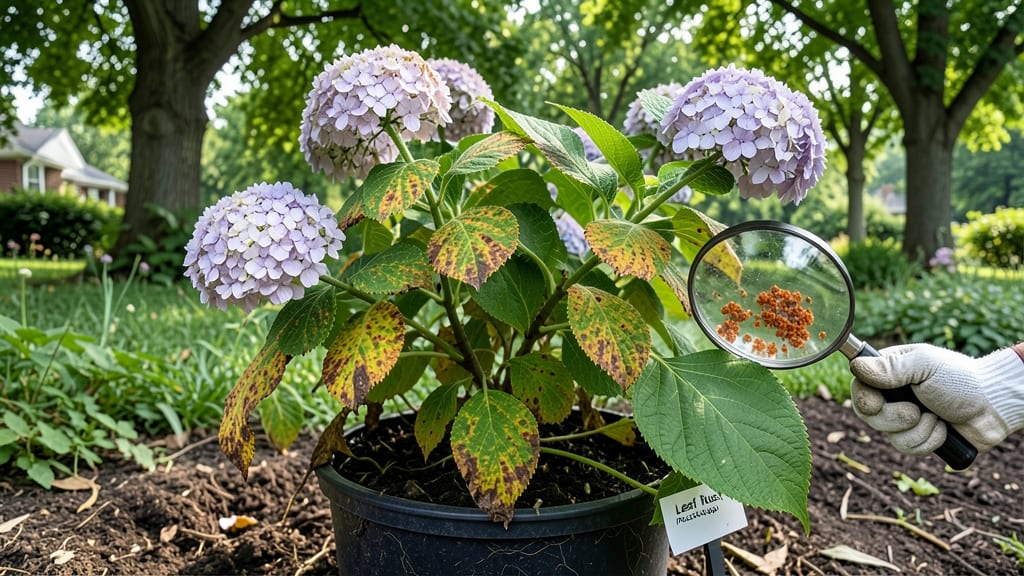
Your hydrangeas' vibrant blooms won't save them from leaf rust—this fungal disease turns leaves into crunchy brown messes faster than you can say "copper spray." 🌿 I've battled it three seasons running, and the key to saving your plants is acting before the rust spreads to next year's buds.
The rust starts as yellow spots that curl leaves into tight, brittle cups—classic signs of Puccinia fungi thriving in damp conditions.
Proper spacing and watering (at the base, not overhead) cuts down on humidity, but once it takes hold, you need a two-pronged attack: prune infected leaves immediately and apply copper fungicide every 7-10 days until new growth appears.
What you'll end up with is hydrangeas that bounce back with fresh, green foliage by midsummer. The copper spray works fast—within a week of consistent applications—but the real win is catching it early before it weakens the whole plant. Works for all hydrangea types, from mopheads to panicle varieties.
Here's how to stop it in its tracks before your bushes look like autumn already.
The Hidden Triggers Behind Fungal Foliage Foes
Hydrangeas are the stars of many gardens, but their lush leaves can quickly turn into a rusty mess if the right conditions align. Understanding why fungal leaf spots like rust develop is the first step to preventing them—and saving your plants.
Let’s break down the science behind the problem so you can act fast.
Fungal spores thrive in wet conditions, and hydrangeas—especially those with dense foliage—create the perfect microclimate for them. Here’s why moisture is a major culprit:
- Prolonged leaf wetness: When leaves stay damp for more than 6–12 hours, fungal spores germinate and infect the plant. This often happens after rain, overhead watering, or high humidity (think: 75%+ humidity for days).
- Poor air circulation: Hydrangeas planted too closely together or in shaded, stagnant areas trap moisture. Fungal spores spread like wildfire in these conditions.
- Morning dew: While dew itself isn’t harmful, if it lingers until afternoon, it extends the window for fungal growth.
Actionable fix: Water at the base of the plant in the morning (not evening) and space hydrangeas 3–5 feet apart for airflow.
Fungal rust spores love temperatures between 60–80°F (15–27°C), paired with high humidity. Here’s how climate plays a role:
- Spring and fall transitions: These seasons often bring warm days and cool nights, creating condensation on leaves—ideal for rust spores to take hold.
- Tropical climates or greenhouses: If you’re in a humid region or growing hydrangeas under glass, the risk skyrockets without proper ventilation.
- Sudden temperature swings: Stress from heat waves followed by rain weakens the plant’s defenses, making it easier for fungi to invade.
Actionable fix: Monitor your local weather forecasts and mulch around plants to regulate soil temperature (cooler soil = less stress on roots).
A healthy hydrangea has natural antifungal compounds in its leaves, but stress from poor care can leave it vulnerable. Common stressors include:
- Nutrient deficiencies: Lack of magnesium, nitrogen, or phosphorus weakens cell walls, making them easier targets for fungi.
- Over- or under-watering: Drought stress or waterlogged roots both impair the plant’s ability to fight infections.
- Physical damage: Pruning wounds, hail, or pests (like aphids) create entry points for rust spores.
- Improper pruning: Cutting too late in the season (after early summer) removes protective foliage, leaving new growth exposed.
Actionable fix: Feed hydrangeas with a balanced fertilizer (10-10-10) in early spring and avoid pruning after June to preserve leaf cover.
Hydrangea leaf rust (Puccinia spp.) doesn’t just appear out of nowhere—it hitchhikes on the wind, tools, and even your shoes. Here’s how:
- Windborne spores: Rust fungi produce tiny, orange spores that travel miles, landing on healthy leaves and germinating within hours.
- Contaminated tools/garden debris: Pruners, gloves, or old plant material left in the garden can carry spores from infected plants to new ones.
- Nearby infected plants: If you have roses, azaleas, or other rust-susceptible plants nearby, spores can jump species easily.
Actionable fix: Clean tools with rubbing alcohol between plants, remove and destroy infected leaves (don’t compost them!), and avoid planting hydrangeas next to known rust hosts.
Now that you know the why, the next step is how to stop it. The good news? Copper sprays and smart garden habits can turn the tide—before your hydrangeas turn into a rusty disaster!
Revive Your Hydrangeas Fast
If your hydrangeas are battling leaf rust, don’t panic—these plants are tough, and with the right approach, you can nurse them back to health! Below, we’ll break down the most effective fixes based on the root cause of the issue, from quick remedies to long-term prevention.
Think of this as your hydrangea’s emergency first aid kit—simple, actionable, and designed to work.
Leaf rust spreads like wildfire, so the first step is to stop it in its tracks. Rust spores thrive on damp, decaying leaves, so prune away any yellow, orange, or brown spots as soon as you spot them.
Use clean, sharp pruners or shears to avoid spreading spores to healthy foliage.
- How to do it: Snip off infected leaves all the way to the stem. Drop them into a sealed plastic bag (not your compost bin—spores can survive there!).
- When to do it: Early morning or late afternoon (when humidity is lower) to reduce spore dispersal.
- Pro tip: 💡 Disinfect your tools between cuts with rubbing alcohol or a 10% bleach solution to prevent cross-contamination.
Copper-based sprays are the gold standard for treating leaf rust because they disrupt fungal spores on contact. They’re also preventative, so use them at the first sign of trouble or as a seasonal safeguard.
| Step | Action |
|---|---|
| 👨🍳 Choose your copper spray | Opt for a ready-to-use copper fungicide (like Bonide Copper Fungicide) or make a DIY version with 1 tbsp copper sulfate + 1 gallon water (wear gloves!). |
| 🥘 Spray thoroughly | Coat both sides of leaves and stems until glistening. Focus on the undersides—rust loves to hide there! |
| ⏰ Timing matters | Apply every 7–10 days during wet seasons (spring/fall) or after heavy rain. Morning applications allow foliage to dry faster, reducing humidity-related spread. |
| ⚠️ Safety first | Avoid spraying in direct sunlight or when rain is forecasted within 24 hours. Wear gloves and a mask if you’re sensitive to copper. |
Why copper works: It creates an oxidative stress environment that kills fungal spores without harming your plants (once diluted properly). For severe cases, repeat treatments may be needed.
Leaf rust loves humidity, so tweaking your hydrangea’s environment can make a huge difference. Poor airflow and soggy soil create the perfect breeding ground for fungi.
- 🌿 Prune for airflow: Thin out dense foliage to let light and air circulate. Aim for a 20–30% reduction in leaf mass if growth is overly bushy.
- 💧 Fix drainage issues:
- Check soil moisture—hydrangeas hate wet feet. If water pools around the base, amend soil with compost or perlite.
- Ensure pots have drainage holes and elevate them slightly if needed.
- 🌞 Adjust watering habits:
- Water early in the day so leaves dry quickly.
- Avoid overhead sprinklers—use drip irrigation or soaker hoses instead.
Pro tip: ✨ Mulch properly—use 2–3 inches of organic mulch (like shredded bark) to keep roots cool but not pile it against the stem (this traps moisture).
A healthy hydrangea is less susceptible to rust. Boost its defenses with these nutrient-focused strategies:
- 💪 Feed with balanced fertilizer: Use a 10-10-10 or 20-20-20 formula in early spring to promote lush, resilient growth. Avoid high-nitrogen fertilizers late in the season—they encourage tender new growth that’s more vulnerable to rust.
- 🍎 Add compost tea: Brew a compost tea (steep compost in water for 24–48 hours, strain) and spray it on leaves. It introduces beneficial microbes that outcompete rust fungi.
- 🌱 Prune strategically: Remove dead or weak wood in late winter/early spring to reduce stress points where rust can take hold.
Bonus: 🌿 Consider neem oil as a supplemental spray (1 tsp neem oil + 1 quart water + a drop of dish soap). It’s fungicidal and insecticidal, plus it repels pests that weaken plants.
Once your hydrangeas are rust-free, keep them that way with these proactive habits:
- 🗓️ Seasonal copper sprays: Apply a preventative copper fungicide in early spring (before buds swell) and again after heavy rains.
- 🧹 Clean up debris: Remove fallen leaves and spent blooms from the base of plants year-round. Rust spores can overwinter in organic matter.
- 🌦️ Monitor weather: If your area has humid summers or frequent rain, stay vigilant and adjust watering/spray schedules accordingly.
- 🌱 Rotate plant locations: If rust is a recurring problem, try moving hydrangeas to a sunnier, drier spot next season.
With these steps, your hydrangeas should bounce back stronger than ever. Rust may be stubborn, but it’s no match for a well-prepared gardener!
Frequently asked questions about hydrangea leaf rust
What do hydrangea leaf rust spots actually look like?
Leaf rust starts as tiny yellow or orange spots on the upper leaf surface, often with pustules that look like little blisters. As it progresses, leaves curl into tight, brittle cups with rust-colored spores on the undersides. Think of it like tiny coffee stains with a powdery orange dusting underneath.
Can I still use my hydrangea flowers if the leaves have rust?
Yes! The rust primarily affects leaves, not flowers, so you can still enjoy your blooms. However, severely infected plants may produce fewer flowers since the disease stresses the plant. Remove infected leaves promptly to redirect the plant's energy to blooming and new growth.
Will my hydrangeas recover completely if I treat leaf rust?
With proper treatment, most hydrangeas make a full recovery and produce healthy new growth. The key is acting quickly - once rust spreads to more than 30% of leaves, it weakens the plant's overall vigor. Copper sprays and good cultural practices help prevent recurrence in future seasons.
Is copper spray safe for all hydrangea varieties?
Yes, copper fungicides are safe for all hydrangea types including mopheads, panicles, and oakleaf varieties. The concentration used (typically 1 tbsp copper sulfate per gallon) won't harm the plants. Just avoid spraying when flowers are fully open to prevent copper residue from affecting pollinators.
How do I know if my hydrangeas have rust or just normal leaf discoloration?
Rust has distinct characteristics: orange pustules on leaf undersides, curled leaves, and the classic "rusty" appearance. Normal discoloration from heat or drought shows as uniform browning without pustules. Check both leaf surfaces and look for the telltale orange spores that distinguish rust from other leaf issues.