
Pests and Diseases
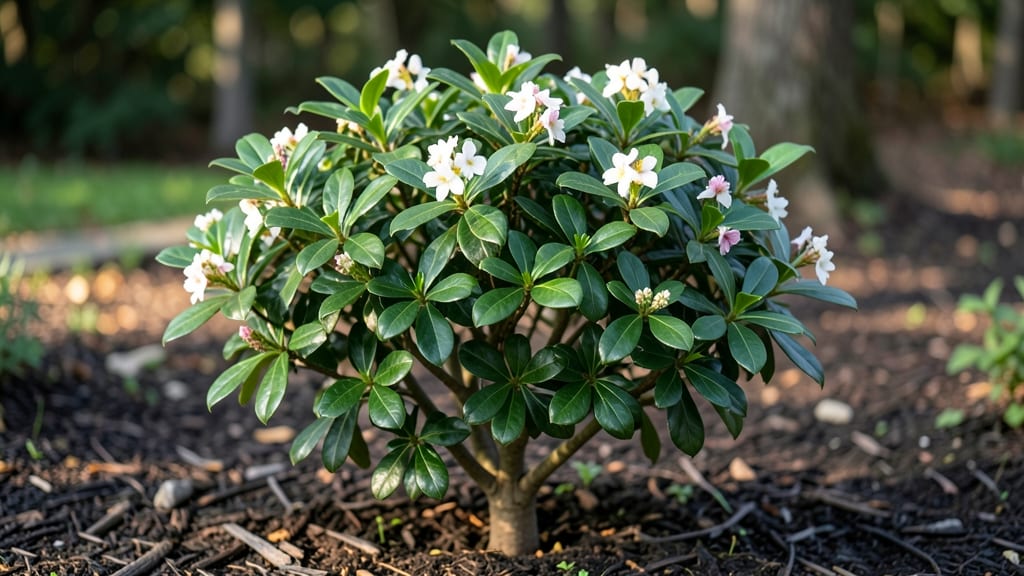
When those unsightly brown spots appear on your Indian hawthorn leaf, you're dealing with fungal spot disease—and it spreads faster than you think. 🌿 I’ve battled this exact issue with my own Rhaphiolepis indica, and I’ll show you how to stop the damage before it ruins the plant.
The key is acting fast with the right treatment, so you can save your shrub’s glossy foliage and keep it thriving.
Fungal spots thrive in damp, crowded conditions, so poor air circulation or overhead watering often triggers them. You’ll spot small brown or black patches with yellow halos on leaves, and if left unchecked, they’ll multiply until the plant looks ragged.
The good news? This isn’t a death sentence—just a wake-up call to adjust your care routine and apply the right fungicide.
Within just a few days of treatment, you’ll see new growth pushing out clean and healthy.
Prune affected leaves immediately to improve airflow, then apply a copper-based fungicide or a baking soda spray (1 teaspoon baking soda + 1 quart water + a drop of dish soap) to halt the spread.
Repeat every 7–10 days until the spots disappear, and your Indian hawthorn will bounce back stronger than ever.
This method works for both indoor and outdoor plants, and it’s especially effective if you catch the issue early. Once you’ve mastered the cure, you’ll spot the warning signs faster and keep your shrub looking lush all season long.
Root Causes of Leaf Spots
Fungal leaf spots on Indian hawthorn (often called Rhodomyrtus tomentosa) are rarely random—they’re the result of specific environmental triggers and plant vulnerabilities. Understanding these causes helps you act fast to prevent permanent damage.
Below, we break down the most common culprits and why they create the perfect storm for fungal infections.
Fungal spores thrive in wet conditions, and Indian hawthorn leaves are especially susceptible when water lingers on their surfaces. Here’s why this happens:
- Prolonged leaf wetness: Overhead irrigation (like sprinklers) keeps leaves damp for more than 6–12 hours, giving fungi like Alternaria or Cercospora ample time to germinate and penetrate leaf tissue.
- Compacted or waterlogged soil: Poor drainage forces roots to suffocate, weakening the plant’s defenses. A soil test can reveal if your garden’s pH (ideal: 5.5–6.5) or clay content is trapping excess moisture.
- Fungal spore splash: Rain or overhead water can splatter spores from infected leaves or soil onto healthy foliage, accelerating spread.
Actionable fix: Switch to drip irrigation or water at the base of the plant in the early morning to allow leaves to dry by evening. Add organic mulch (like pine bark) to improve drainage and reduce soil splatter.
Fungi love warm, humid conditions, but Indian hawthorn’s tropical origins make it sensitive to sudden shifts. These scenarios create fungal hotspots:
| Factor | Why It Matters | Ideal Range for Prevention |
|---|---|---|
| Nighttime humidity | Humidity above 75% at night slows leaf drying, trapping spores. Common in greenhouses or shaded areas. | 40–60% (use a hygrometer to monitor). |
| Daytime heat + high humidity | Temperatures between 70–85°F (21–29°C) with high humidity create the perfect fungal buffet. | Keep daytime temps below 80°F (27°C) with shade cloth if needed. |
| Sudden temperature drops | Shock from cold nights (below 50°F/10°C) weakens the plant’s cuticle, making it easier for spores to invade. | Avoid placing plants near AC vents or drafty areas. |
Actionable fix: Improve airflow with spacers between plants and use exhaust fans in greenhouses. If humidity is an issue, dehumidifiers or ventilation systems can help.
A hungry or stressed Indian hawthorn is like an open invitation to fungi. These deficiencies weaken its natural defenses:
- Low nitrogen (N): Leads to thin, pale leaves that can’t produce enough cutin (a waxy protective layer). Fungi exploit these gaps.
- Potassium (K) shortage: Reduces the plant’s ability to resist pathogen attacks and delays wound healing.
- Iron (Fe) or magnesium (Mg) chlorosis: Yellowing between leaf veins signals poor chlorophyll production, making leaves more susceptible to fungal penetration.
- Over-fertilization with phosphorus (P): Too much P can lock out other nutrients, creating a weakened immune system.
Actionable fix: Conduct a leaf tissue test and amend soil with:
- Balanced fertilizer (e.g., 10-10-10 NPK) in spring.
- Epsom salt (magnesium sulfate) for chlorotic leaves (1 tbsp/gallon of water, foliar spray).
- Compost or worm castings to improve soil microbial activity, which outcompetes harmful fungi.
Some pests don’t just damage leaves—they create entry points for fungi. The most notorious offenders:
- Spider mites: Their fine webbing traps moisture and spores, while their feeding weakens the leaf epidermis.
- Aphids: Excrete honeydew, a sugary film that feeds sooty mold fungi (which then block sunlight, stressing the plant).
- Scale insects: Their protective shells harbor fungal spores and disrupt nutrient flow.
Actionable fix: Treat pest outbreaks immediately with:
- Neem oil spray (1% solution, repeat weekly).
- Beneficial insects like ladybugs or lacewings to naturally control populations.
- Prune and destroy heavily infested leaves before they spread.
💡 Pro Tip: If you notice dark spots with yellow halos (a classic fungal signature), act within 48 hours. Delaying treatment can lead to leaf drop and reduced flowering in Indian hawthorn.
Quick Fixes for Fungal Spots
Fungal spots on Indian hawthorn leaves can spread fast—but don’t panic! With the right approach, you can stop the damage in days and keep your plant healthy. Below are practical, step-by-step solutions tailored to common causes, plus prevention tips to avoid future outbreaks.
Problem: Fungal spots thrive in wet, stagnant conditions, often from overwatering or compacted soil.
How to Fix It: 🔥 Adjust Your Watering Routine
- Water only when the top 1–2 inches of soil are dry (stick your finger in to check).
- Water deeply but less frequently—avoid light, frequent sprinkles that keep leaves damp.
- Morning is best—watering in the early hours gives leaves time to dry before evening humidity sets in.
👨🍳 Improve Soil Drainage
- Mix perlite, sand, or compost into heavy soil to loosen it up.
- If potted, add drainage holes if missing and use a well-draining potting mix.
- Raise containers slightly off the ground to prevent water pooling.
💡 Pro Tip: If your plant is already soggy, stop watering for 3–5 days to let the soil dry out before resuming.
Problem: Fungal spores love humidity and stagnant air—common in greenhouses, shaded areas, or crowded plants.
How to Fix It: 🍳 Boost Air Circulation
- Space plants 12–18 inches apart to allow airflow.
- Use a small fan (on low) near infected plants to dry leaves faster.
- Prune dense foliage to improve ventilation.
✨ Reduce Humidity Naturally
- Wipe leaves with a damp (not soaking) cloth to remove spores and improve airflow.
- Avoid overhead watering—use a watering can with a narrow spout to direct water at the base.
- If indoors, use a dehumidifier or open windows on dry days.
🎯 Prevention Tip: Mulch lightly (1–2 inches) with straw or wood chips—too much mulch traps moisture.
Problem: If spots are already visible, act fast to prevent spread.
How to Fix It: 🥘 Remove Infected Leaves
- Snip off (don’t tear) yellowing or spotted leaves with sterilized scissors.
- Dispose of them in the trash (not compost)—fungal spores can survive in compost piles.
🌡️ Apply Fungicidal Sprays (Natural or Chemical) | Option | How to Use | Best For | |--------------------------|-------------------------------------------------------------------------------|-------------------------------| | Neem Oil Spray | Mix 1 tsp neem oil + 1 tsp mild soap + 1 quart water.
Spray every 7–10 days. | Early-stage infections | | Baking Soda Solution | 1 tsp baking soda + 1 quart water + a few drops of soap.
Spray weekly. | Mild powdery mildew | | Copper Fungicide | Follow label instructions—apply at first sign of spots. | Severe or persistent cases |
💡 Pro Tip: Spray in the early morning so leaves dry quickly—never spray when leaves are wet.
Problem: A malnourished plant can’t fight off fungi as well.
How to Fix It: 📊 Fertilize Properly
- Use a balanced, slow-release fertilizer (10-10-10 or 20-20-20) once in spring and once in summer.
- Avoid over-fertilizing—too much nitrogen = softer leaves = more fungal risk.
- Organic options: Compost tea, fish emulsion, or worm castings boost immunity naturally.
💪 Boost Plant Health with Micronutrients
- Epsom salt (magnesium sulfate) – Mix 1 tbsp per gallon of water, spray foliage monthly.
- Seaweed extract – Rich in growth hormones and antioxidants; use as a foliar spray every 2 weeks.
- 🌿 Rotate plants every few weeks for even sunlight exposure.
- 🧼 Sterilize pruners with rubbing alcohol between cuts to avoid spreading spores.
- 🌧️ Water at the base—never on leaves—especially in humid climates.
- 🍂 Clean up fallen leaves regularly—they harbor fungal spores.
- 🔄 Repot every 2–3 years to refresh soil and prevent buildup of pathogens.
Bottom Line: Fungal spots on Indian hawthorn leaves are manageable with proactive care. Start with water adjustments, airflow, and removal of infected parts, then strengthen your plant’s defenses with proper nutrition. Act within 3–5 days, and you’ll see improvement fast! 🚀
Frequently asked questions
What do Indian hawthorn leaf spots actually look like?
Fungal spots on Rhaphiolepis indica leaves start as small, brown or black dots with yellow halos around them. As they spread, the spots grow larger and may develop a grayish center. In severe cases, leaves turn yellow, crispy, or drop entirely. These spots often appear on lower leaves first since that's where water and spores collect.
Can I save my Indian hawthorn if the spots are already widespread?
Yes, but you'll need to act aggressively. Start by pruning all infected leaves (don't compost them!) and apply copper fungicide immediately. Improve airflow by spacing plants 12-18 inches apart and water only at the base in the morning. Within 2-3 weeks of consistent treatment, you should see new healthy growth pushing through.
Why does my Indian hawthorn get spots even though I water it properly?
Even with proper watering, fungal spots can appear due to hidden stressors. Check for nutrient deficiencies (especially potassium or magnesium), poor drainage in the soil, or compacted roots. Also, high humidity (above 75%) at night creates perfect conditions for spores. Try wiping leaves with a damp cloth and using a dehumidifier if indoors.
Will neem oil really work on Indian hawthorn fungal spots?
Neem oil is highly effective for early-stage infections. Mix 1 teaspoon neem oil + 1 teaspoon mild soap + 1 quart water and spray every 7-10 days until new growth appears. The key is consistency—neem works by disrupting fungal spores and boosting plant immunity. For stubborn cases, combine it with pruning infected leaves and improving airflow.
How can I prevent fungal spots from coming back next year?
Focus on proactive care: Prune for airflow by thinning dense branches, sterilize tools with rubbing alcohol between cuts, and water at the base only in the morning. Mulch lightly (1-2 inches) with pine bark to improve drainage, and fertilize in spring with a balanced 10-10-10 formula. Finally, clean up fallen leaves regularly—they harbor spores!