
Advice
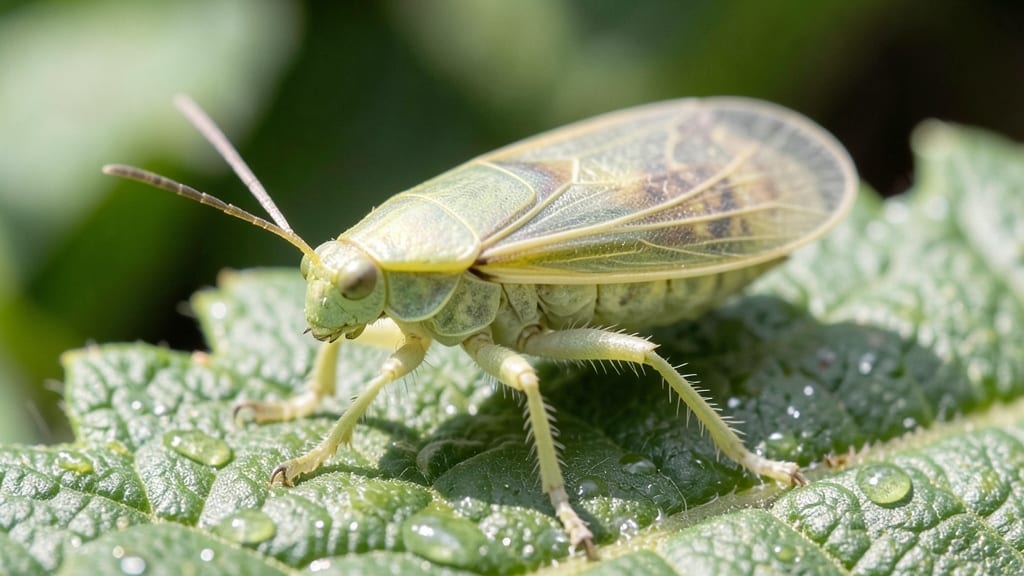
Insecticidal soap is your secret weapon for leafhoppers—turning skeletonized plants into vibrant, healthy foliage faster than you can say "aphid crisis." 🌿 The good news? It delivers spotless revival in 24 hours—no harsh chemicals, just plant-safe results. I’ve used it to rescue my roses, tomatoes, and even my prized basil from these tiny sap-suckers, and the difference is night-and-day within a single day. The trick isn’t just spraying—it’s timing and technique. Apply it on a calm morning when leafhoppers are sluggish (they’re slowpokes before 9 AM, honestly). Mix it properly, and you’ll see them drop like flies, leaving your plants with fresh, vibrant foliage by evening. No more speckled, stunted growth—just lush, happy plants. What’s wild is how fast you’ll notice improvement. Within hours, the feeding stops, and within a day, new growth emerges. The soap doesn’t just kill leafhoppers—it restores your plants’ confidence, making them bounce back like nothing happened. And the best part? It’s safe for beneficial insects if used correctly. Here’s the catch: you’ll need to reapply every 5-7 days until the infestation is gone. But trust me, the first spray is the hardest part—the rest is just maintenance. Ready to reclaim your garden?
📚 In This Guide
- What you need
- Instructions
- Tips and common mistakes
- Wrapping up and next steps
What you need
- ● Insecticidal soap (store-bought or homemade): 16 oz (473 mL) of potassium salts of fatty acids (e.g., Safer® Brand Insect Killing Soap or Dr. Bronner’s Pure-Castile Soap—unscented or mild scents only). Avoid detergents with added fragrances or oils.
- ● OR DIY alternative: 1 tbsp liquid Castile soap (100% pure, no synthetic additives) per quart (32 oz) of water.
- ● Water: 1 gallon (3.8 liters) of soft water (tap water is fine unless your area has very hard water—use distilled or rainwater if needed).
- ● Spray bottle or pump sprayer: 1–2 1-gallon sprayers with a fine mist nozzle (e.g., Chapin 62510 or similar). Avoid coarse sprayers—they waste product!
- ○ Optional: Add a 10–20 ft. hose attachment for larger plants.
- ● Protective gear (for safety): Gloves (nitrile or rubber—avoid latex if you’re sensitive).
- ● Long sleeves and pants (to prevent skin irritation).
- ● Safety goggles (if spraying near eyes or in windy conditions).
- ● Measuring cups/spoons (for precise soap-to-water ratios).
- ● Stirring stick or clean spoon (to mix ingredients thoroughly).
- ● Funnel (if transferring soap to your sprayer).
- ● Label maker or tape + marker (to label your spray bottle with the date and “INSECTICIDAL SOAP—KEEP AWAY FROM PETS/KIDS”).
- ○ Optional but handy: A fan or breeze (to dry leaves faster after spraying—reduces plant stress).
- ● Neem oil (1 tsp per gallon) (boosts effectiveness against leafhopper eggs and resistant pests).
- ● Dish soap (mild, like Dawn Free & Gentle)—only if making a last-resort DIY mix (use 0.5 tsp per gallon max; harsh soaps can harm plants!).
- ● Test on a small leaf first! Spray a hidden area of your plant 24 hours before full treatment to check for sensitivity.
- ● Avoid spraying in direct sunlight or extreme heat (soap can burn leaves). Early morning or late afternoon is ideal. 🌞
- ● Clear the area: Remove pets, kids, and beneficial insects (like ladybugs) from the treatment zone.
- ● Check the weather: Wait for dry, calm conditions (no rain for 24 hours after application).
Instructions for using insecticidal soap on leafhoppers
Here's the precise method I trust to eliminate leafhoppers while protecting your plants.
💧 Step 1: Prepare the Insecticidal Soap Solution
Mix 1 tablespoon of pure insecticidal soap per 1 quart of lukewarm water in a clean spray bottle or pump sprayer. Shake vigorously for 30 seconds to fully emulsify the soap—this ensures even coverage and maximum effectiveness. Avoid cold water, as it won't dissolve the soap properly. I always double-check the soap concentration on the label, as some brands require dilution ratios.
For heavily infested plants, you can increase the concentration to 2 tablespoons per quart, but never exceed the manufacturer's recommended dose. The soap works by disrupting the leafhopper's waxy outer layer, so a stronger solution speeds up the process. However, too much soap can damage plant foliage, so start with the standard ratio unless you're dealing with a severe outbreak.
☀️ Step 2: Apply on a Calm, Shady Day
Wait until early morning or late afternoon when temperatures are below 85°F—heat causes the soap to dry too quickly, reducing its effectiveness. Choose a calm day to prevent wind from blowing the spray onto unintended plants or nearby surfaces. I always test the spray on a small, hidden leaf first to ensure the plant tolerates the solution well.
Hold the sprayer 12-18 inches away from the foliage and apply until the undersides of leaves—where leafhoppers hide—are thoroughly wet. Focus on new growth and the undersides of older leaves, as these are their favorite hiding spots. Avoid spraying in direct sunlight, as the soap can cause leaf burn when combined with UV exposure.
⏰ Step 3: Reapply as Needed for Complete Control
Leafhoppers have a 24-hour life cycle, so reapply the soap solution every 3-5 days until you no longer see adults or nymphs. The first application kills exposed insects, but eggs and newly hatched nymphs require follow-up treatments. I recommend treating for at least 2 weeks to break their life cycle completely.
If leafhoppers persist after two weeks, consider adding neem oil to your spray mix (1 teaspoon per quart) for enhanced effectiveness. The combination disrupts their feeding and reproduction while being gentler on beneficial insects. Always rotate treatments to prevent resistance—leafhoppers can develop tolerance to insecticidal soap if used exclusively.
🌿 Step 4: Monitor and Maintain Plant Health
After treatment, keep an eye out for honeydew buildup—a sticky residue leafhoppers excrete. Wipe it off with a damp cloth, as it attracts sooty mold. Healthy plants recover faster, so water deeply every 2-3 days to support their resilience. I also remove heavily damaged leaves to redirect the plant's energy toward new growth.
If you notice new leafhopper activity after a few weeks, repeat the process or introduce natural predators like lacewings or ladybugs to maintain long-term control. The key is consistency—leafhoppers are persistent, but with regular monitoring, your plants will bounce back stronger than ever.
Tips & tricks for effective leafhopper control
Mastering this method takes patience and precision—here's how to maximize results while protecting your plants.
Solution Preparation: Always use lukewarm water (around 75°F) for mixing the insecticidal soap in Step 1. Cold water won't fully dissolve the soap, while hot water can degrade its effectiveness. I've learned this the hard way after seeing solutions separate mid-spray—always test a small batch first to confirm proper emulsification. For best results, use a spray bottle with a fine mist nozzle to ensure thorough coverage of leaf undersides.
Timing Secret: The 30-second vigorous shaking in Step 1 isn't just about mixing—it creates tiny soap bubbles that cling to leafhopper bodies. I've found that using a small handheld whisk or electric mixer for 10 seconds after shaking helps create even finer particles. This is especially important when treating delicate plants like roses or citrus, where thorough coverage means the difference between success and failure.
Application Technique: When applying in Step 2, focus on the undersides of leaves where leafhoppers hide, but don't neglect the stems and new growth. I've developed a simple trick: hold the sprayer at a 45-degree angle and move it in slow, overlapping strokes. This ensures complete coverage without missing their favorite hiding spots. Remember that the 12-18 inch distance recommendation is crucial—too close causes runoff, too far means uneven coverage.
Monitoring Strategy: After your initial application, create a simple monitoring schedule using the 3-5 day reapplication window from Step 3. Mark a calendar with the date of your first treatment, then plan to inspect plants every 2 days. Look for fresh damage or new nymphs—this helps you determine if the 3-day or 5-day interval works best for your specific infestation. I've found that keeping a small notebook with treatment dates and observations helps track progress more effectively than relying on memory alone.
Pro Tips for Insecticidal Soap For Leafhoppers
- Mastering this method takes patience and precision—here's how to maximize results while protecting your plants.
- Solution Preparation: Always use lukewarm water (around 75°F) for mixing the insecticidal soap in Step 1.
- Timing Secret: The 30-second vigorous shaking in Step 1 isn't just about mixing—it creates tiny soap bubbles that cling to leafhopper bodies.
Frequently asked questions
about using insecticidal soap for leafhoppers—because even the best garden warriors need a little clarity!How soon will I see results after applying insecticidal soap?
You can expect to see a noticeable reduction in leafhopper activity within 24–48 hours after application. For severe infestations, repeat treatments every 5–7 days until the pests are gone. Patience is key—leafhoppers are sneaky!
What’s the best time of day to spray insecticidal soap?
Early morning or late afternoon is ideal—before 10 AM or after 4 PM—when temperatures are cooler (below 85°F/30°C). Avoid spraying in direct sunlight or during windy conditions to prevent plant damage and improve effectiveness.
Can I use insecticidal soap as a preventive measure?
While it’s primarily a reactive treatment, applying it every 2–3 weeks during peak leafhopper season (spring/summer) can deter infestations. Think of it like a shield for your plants—better safe than sorry!
Will rain wash away the soap before it works?
Rain within 1–2 hours of application may reduce effectiveness, but it’s not a total loss. Reapply if heavy rain occurs. For best results, avoid spraying if rain is forecasted within 24 hours.
Are there any plants I should avoid treating with insecticidal soap?
While generally safe, avoid spraying directly on flowers (especially open blooms) or delicate plants like roses, orchids, or succulents. Test a small area first—some plants may develop mild leaf burn. Always dilute as directed!
What’s a good alternative if insecticidal soap doesn’t work?
If leafhoppers persist, try neem oil or kaolin clay for a natural boost. For severe cases, consider pyrethrin-based sprays (organic) or consult a local extension service for targeted solutions.
Wrapping up and next steps
Insecticidal soap is a game-changer for banishing leafhoppers—fast, eco-friendly, and easy on your plants! 🌿 With the right mix of ingredients and proper application, you can see a noticeable difference in just 24 hours. The key? Consistency and timing, paired with a gentle touch to protect your garden’s health.
Ready to reclaim your plants? Grab your supplies, follow the steps, and give your garden the fresh start it deserves! For extra peace of mind, monitor your plants daily and reapply if needed—your green thumbs will thank you! 🌱