
Lawn
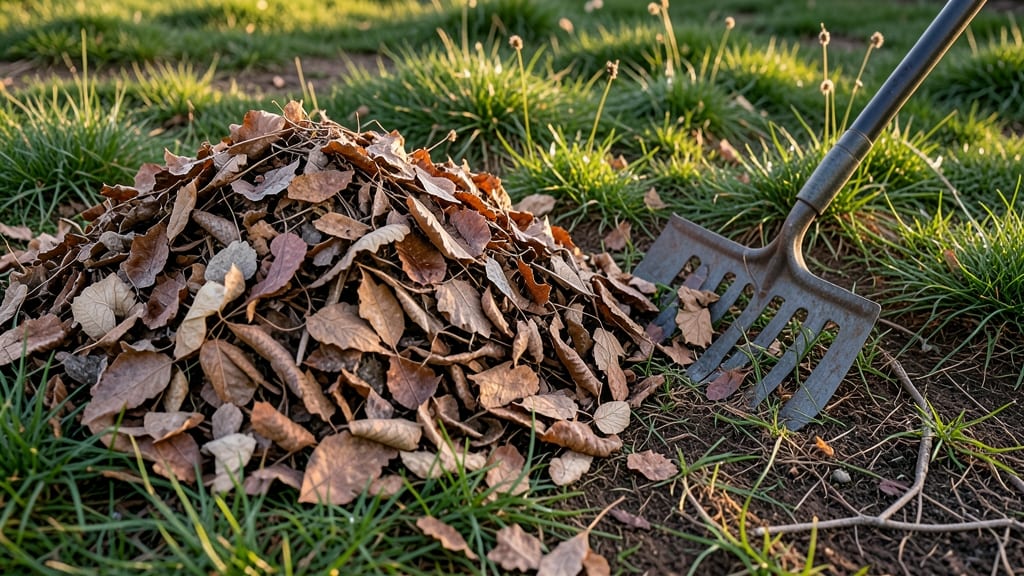
Leaf mulch is good for lawns when applied correctly, as it retains soil moisture, suppresses weeds, and adds organic matter—but it can smother grass if layered too thickly or left to mat over time. Use shredded leaves in moderation for best results.
Using leaf mulch on your lawn can be a game-changer when done right. 🌿 The organic material breaks down slowly, releasing nutrients like nitrogen and potassium that grass loves, while also shielding the soil from extreme temperatures.
Unlike synthetic mulches, leaf mulch improves soil structure over time, creating a healthier environment for roots to thrive. But here's the catch: if you pile it too thick, it can block sunlight and air, leading to thatch buildup or even fungal growth.
For best results, aim for a ¼-½ inch layer of finely shredded leaves—think confetti, not a blanket. Apply it in early fall before winter dormancy or in late spring when grass is actively growing. I've found that spreading it evenly with a rake works best, especially after mowing.
The key is balance: too little won't help, but too much turns your lawn into a leaf compost pile instead of a green carpet.
💡 In This Article
- How Leaf Mulch Benefits Lawn Health and Soil
- Best Practices for Applying Leaf Mulch to Grass
How leaf mulch benefits lawn health and soil
Leaf mulch works like a natural blanket for your lawn, trapping moisture in the soil while protecting it from evaporation. When leaves break down, they form a spongy layer that holds up to 30% more water than bare soil—similar to how a damp towel retains moisture.
This is especially valuable during dry spells, as the mulch creates a microclimate that keeps roots hydrated without requiring extra watering. The breakdown process also releases nutrients gradually, unlike synthetic mulches that offer no long-term benefits.
The real magic happens underground. As leaves decompose, they feed beneficial soil microbes that break down organic matter into simpler compounds grass roots can absorb. This process releases nitrogen, phosphorus, and potassium—the same nutrients found in fertilizer—over several months.
Unlike thick layers of leaves that can create anaerobic zones (low-oxygen areas), a ¼-½ inch layer allows oxygen and water to penetrate while still supporting microbial activity. Think of it as a slow-release fertilizer that improves soil structure over time.
Weed suppression is another major advantage. Leaf mulch blocks sunlight from reaching weed seeds, preventing germination before they become a problem. Studies show it can reduce weed growth by up to 70% compared to bare soil, saving you hours of pulling weeds later.
The mulch also disrupts weed seed dormancy cycles, making it harder for persistent weeds like crabgrass to establish. However, this benefit only works if the layer stays loose and doesn't form a dense mat that traps moisture against the soil.
Contrast this with synthetic mulches like rubber or plastic, which do nothing for soil health and can even leach harmful chemicals over time. Leaf mulch, when properly applied, acts as a living soil amendment—improving texture, aeration, and water retention.
The key difference is that organic mulches become part of the soil ecosystem, while synthetic ones remain inert. For example, a ½ inch layer of shredded leaves can improve soil organic matter by 1-2% per year, compared to zero change with synthetic alternatives.
There's also the temperature regulation factor. During summer heat waves, leaf mulch insulates the soil, keeping temperatures 5-10°F cooler at the surface. In winter, it provides a protective barrier against freeze-thaw cycles that can damage grass roots.
This thermal buffering effect is particularly valuable in regions with extreme temperature swings, where grass struggles to maintain consistent growth. The mulch's insulating properties create a more stable environment for root development.
One common misconception is that all leaf mulch is created equal. While whole leaves break down slowly and can mat, shredded leaves decompose 3-4 times faster due to increased surface area. This faster breakdown means nutrients become available sooner, giving your lawn a steady supply of food.
The texture also matters—finely shredded leaves create a softer, more even layer that won't smother grass blades, unlike coarse mulch that can create gaps where weeds sprout.