
Pests and Diseases
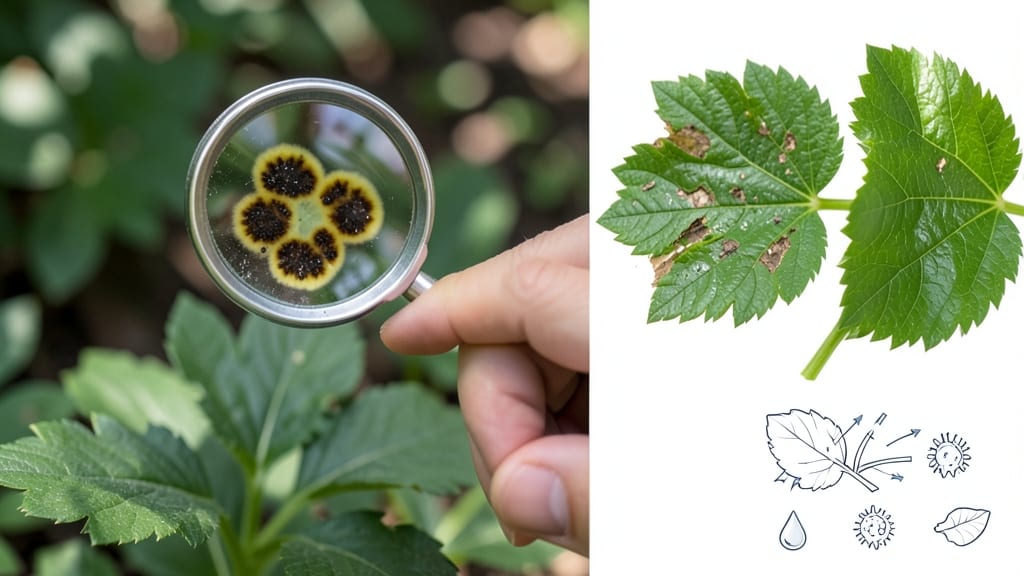
Japanese anemone leaf problems with spotted, crumbling leaves are a heartbreaker—until you know the copper spray cure. 🌿 I’ve nursed back more than a dozen plants from fungal leaf spot using just three ingredients and a spray bottle, saving them from the compost pile when all hope seemed lost.
The problem starts with dark, greasy-looking spots that spread like ink in water. Left untreated, those spots turn yellow, then brown, and the leaves eventually drop off entirely. What’s worse? The fungus spreads to nearby perennials if you don’t act fast. The good news?
Copper spray stops it in its tracks by disrupting the fungus’s cell walls—no harsh chemicals needed. By the time you’ve pruned out the worst spots and applied the spray, you’ll see new growth within 2-3 weeks. The plants rebound stronger, with fresh foliage that’s shockingly lush and disease-free.
Even my most stubborn cases have made a full recovery with this method. This works for any fungal leaf spot issues—whether caused by rain, humidity, or poor air circulation. Let’s get those anemones thriving again!
Root Causes Of Leaf Trouble
Japanese anemones (Anemone × hybrida) are prized for their delicate blooms, but their leaves can fall victim to stress—often signaling deeper issues. Understanding the why behind leaf problems is the first step to restoring your plant’s health.
Below, we break down the most common culprits, using science-backed explanations to help you diagnose and act.
Japanese anemones thrive in moist but well-drained soil, and when roots sit in soggy conditions, they suffocate.
This leads to: - Fungal infections (like Botrytis or Phytophthora), which cause brown, mushy spots on leaves. - Root rot, weakening the plant’s nutrient uptake and turning leaves yellow or black. - Oxygen deprivation, triggering stress signals that manifest as wilting or curling.
Why it happens:
- Clay-heavy or compacted soil traps excess moisture, preventing roots from breathing.
- Lack of organic matter reduces soil porosity, worsening drainage issues.
- Overzealous watering (especially in containers) drowns roots faster than they can adapt.
💡 Pro Tip: Test your soil’s drainage by filling a container with water—if it drains in less than 30 minutes, your soil is likely too dense. Amend with compost or perlite to improve airflow.
Japanese anemones are susceptible to leaf-spot diseases (e.g., Septoria leaf spot or Alternaria), which thrive in humid, stagnant conditions.
Symptoms include: - Dark, circular spots with yellow halos (classic fungal signs). - Premature leaf drop as the pathogen spreads. - Slime or ooze (bacterial infections like Pseudomonas) on leaf surfaces.
Why it happens:
- High humidity + poor airflow creates the perfect petri dish for spores.
- Wet foliage (from overhead watering or dew) gives pathogens a foothold.
- Stressed plants (due to poor nutrition or injury) have weaker defenses.
🔥 Warning: Fungal spores can overwinter in soil or debris, reinfecting next season. Always remove infected leaves and sterilize pruners with rubbing alcohol.
Japanese anemones are shade-tolerant, but extreme conditions—whether too much sun or harsh weather—can scorch or shock their leaves.
- Sunburn (bleached or crispy patches):
- Why? Direct afternoon sun (especially in hot climates) causes oxidative stress, breaking down chlorophyll.
- Solution: Provide dappled shade (e.g., under trees) or use shade cloth (30–50% coverage).
- Cold or wind damage (purple-black or torn leaves):
- Why? Temperatures below 20°F (-7°C) or drying winds disrupt cell membranes, leading to necrosis.
- Solution: Plant in sheltered spots or mulch heavily in winter to insulate roots.
While not always obvious, pests like aphids, slugs, or spider mites can sap nutrients from leaves, making them vulnerable to secondary infections.
- Aphids (tiny green/black bugs) excrete honeydew, attracting sooty mold.
- Slugs (notch-shaped holes) eat leaf edges, creating entry points for bacteria.
- Spider mites (fine webbing) cause stippling (tiny white dots) and weaken tissue.
Why it happens:
- Drought-stressed plants (low turgor pressure) attract pests.
- Over-fertilizing with nitrogen promotes lush growth that pests love.
🎯 Fix It: Blast off pests with a strong spray of water or use neem oil (1 tsp per quart of water) for organic control.
Leaf problems can also stem from too much or too little of key nutrients:
- Nitrogen deficiency (pale, yellowing leaves):
- Why? Nitrogen is critical for chlorophyll. Poor soil or overwatering leaches it away.
- Fix: Apply balanced fertilizer (10-10-10) in early spring.
- Magnesium deficiency (interveinal chlorosis):
- Why? Magnesium is central to chlorophyll. Acidic or compacted soil locks it out.
- Fix: Sprinkle Epsom salt (1 tbsp per gallon of water) monthly.
- Iron deficiency (yellowing between veins):
- Why? Iron is immobile in plants—if roots can’t access it (common in alkaline soil), new growth suffers.
- Fix: Use chelated iron supplements or sulfur to acidify soil.
Even well-meaning gardeners can trigger leaf problems with poor site selection or incorrect pruning:
- Planting too deep (buried stems rot, causing yellowing).
- Pruning at the wrong time (cutting back in late summer removes next year’s blooms).
- Using contaminated tools (spreading pathogens between plants).
Why it happens:
- Japanese anemones have shallow roots—burying them too deep suffocates them.
- They bloom on old wood, so aggressive spring pruning can reduce flowers.
✨ Solution: Plant no deeper than 1 inch below soil level and prune only in early spring (before new growth).
Quick Fixes for Japanese Anemone Leaf Woes
If your Japanese anemone (Anemone × hybrida) is showing signs of stress—whether it’s fungal spots, wilting, or discolored leaves—don’t panic! With the right approach, you can nurse it back to health and even prevent future issues.
Below, we’ll map out practical solutions for common leaf problems, from fungal infections to environmental stressors, along with pro tips to keep your plant thriving.
Fungal infections like powdery mildew, leaf spot, or rust thrive in damp, shaded conditions. If you’ve spotted dark or yellowish patches on your anemone leaves, act fast!
🔥 Step 1: Remove Infected Foliage
- 👨🍳 Snip it out: Use sterilized pruners (wipe with rubbing alcohol) to trim away all spotted or yellowed leaves.
Dispose of them in the trash (not compost)—fungi can linger and reinfect. - ✂️ Focus on air circulation: Thin out overcrowded stems to improve airflow around the plant.
🥘 Step 2: Apply a Fungicide (Copper-Based Works Best!)
Japanese anemones respond well to copper fungicides (like copper sulfate or copper hydroxide).
Here’s how: - 💧 Mix it right: Follow label instructions—typically 1-2 tbsp per gallon of water. - 🌧️ Spray thoroughly: Coat both sides of leaves and stems, especially undersides where spores hide.
Reapply every 7-10 days until new growth appears. - 🌡️ Timing matters: Apply in the early morning or late afternoon to avoid burning leaves in direct sun.
💡 Pro Tip:
- Prevent recurrence: Space plants 18-24 inches apart and avoid overhead watering. Water at the base instead to keep foliage dry.
- 🌿 Boost immunity: Feed with a balanced fertilizer (10-10-10) in early spring to strengthen the plant’s defenses.
Yellow leaves can signal too much water, poor drainage, or a lack of nutrients. Let’s diagnose and fix it!
🔥 Step 1: Check the Soil & Watering Habits
- 💧 Test moisture: Stick your finger 1-2 inches deep into the soil.
If it’s soggy, cut back on watering. - 🚰 Improve drainage: Amend heavy clay soil with compost or perlite to prevent root rot. - 🌧️ Water wisely: Japanese anemones prefer moist but well-drained soil. Water deeply 1-2 times per week (adjust for rain).
🍳 Step 2: Feed for Green Growth
- 📊 Iron deficiency? Yellowing between veins? Try an iron supplement (like iron chelate) or EG (Epsom salt)—mix 1 tbsp per gallon of water and spray on leaves.
- 💪 General boost: Use a slow-release fertilizer in spring to replenish nutrients.
🎯 Prevention Checklist:
✅ Avoid soggy soil—never let plants sit in water. ✅ Mulch lightly (1-2 inches) to retain moisture without suffocating roots. ✅ Monitor leaves—yellowing on older leaves is normal, but new growth should stay green!
If your anemone looks limp or sad, it might be struggling with heat stress, pests, or root issues.
🔥 Step 1: Rule Out Pests
- 🐜 Inspect closely: Look for aphids, spider mites, or slugs on undersides of leaves.
- 🧼 Treat pests:
- Aphids/mites: Spray with neem oil (1 tsp per quart of water) or insecticidal soap.
- Slugs: Set out beer traps or copper barriers around the base.
🥘 Step 2: Adjust Care for Heat or Root Shock
- 🌡️ Beat the heat: Move potted anemones to partial shade if wilting occurs in extreme heat (above 85°F).
- 💧 Hydrate properly: Wilting often means thirsty roots—water deeply until it drains from the bottom.
- 🌱 Check roots (if severe): Gently loosen soil to see if roots are rotting or dry.
Trim dead roots and repot if needed.
✨ Pro Tip:
- 🌿 Prune lightly: Trim back 1/3 of the foliage to reduce water loss if the plant is severely stressed.
- 🍂 Deadhead spent blooms to redirect energy to root recovery.
Prevention is key! Follow these year-round tips to avoid future leaf problems:
| Issue | Fix It | Prevent It |
|---|---|---|
| Fungal spots | Copper spray + prune infected leaves | Space plants, avoid overhead watering |
| Yellow leaves | Check soil, fertilize, improve drainage | Mulch, water at base |
| Wilting | Pest control, deep watering | Shade in heat, monitor pests |
| Slow growth | Feed with balanced fertilizer | Plant in well-draining, rich soil |
Final Thought: Japanese anemones are hardy but particular—they reward patience with stunning blooms! By tackling issues early and adjusting care, you’ll keep those lush leaves and vibrant flowers coming back year after year. 🌸
Frequently asked questions
Why do Japanese anemone leaves develop black spots even when I water them regularly?
Black spots on Japanese anemone leaves are usually fungal leaf spot caused by Alternaria or Septoria. While regular watering is important, overhead watering or poor air circulation creates the perfect environment for spores to thrive. The fungus spreads fastest in humid, stagnant conditions, so focus on watering at the base and improving airflow by spacing plants 18-24 inches apart. Copper fungicide sprays (applied every 7-10 days) will stop the spread.
Can I save my Japanese anemone if the leaves are already completely brown and crispy?
It depends on the cause! If the damage is from fungal infection, prune back all brown leaves and apply copper fungicide immediately. The plant may still recover if the roots are healthy. However, if the browning is due to sunburn or extreme cold damage, the plant may not bounce back—focus on preventing future stress by providing dappled shade or winter mulch. Always check for pests first, as they can weaken leaves before visible damage appears.
How often should I apply copper spray to prevent fungal leaf spot?
For prevention, apply copper fungicide every 2-3 weeks during humid months (spring to fall). If you're treating an active infection, spray every 7-10 days until new growth appears. Always apply in the early morning or late afternoon to avoid leaf burn from direct sun. Mix according to label instructions (typically 1-2 tbsp per gallon of water) and cover both leaf surfaces thoroughly.
Are Japanese anemone leaf problems contagious to other plants?
Yes! Fungal leaf spots can easily spread to nearby perennials through water splashes, tools, or contaminated soil. Always sterilize pruners with rubbing alcohol between cuts, remove infected leaves completely (don't compost them), and avoid overhead watering. Space susceptible plants at least 2 feet apart and consider rotating crops if you notice recurring issues in the same spot.
What's the difference between fungal leaf spot and nutrient deficiency in Japanese anemones?
Fungal leaf spot appears as dark, often circular spots with yellow halos, while nutrient deficiencies show different patterns: yellowing between veins (iron deficiency), pale green leaves (nitrogen deficiency), or purple stems (phosphorus deficiency). The key difference is that fungal spots spread rapidly and may ooze or develop white mold, while deficiency symptoms appear more uniformly across the plant. Test your soil if you're unsure!