
Pruning
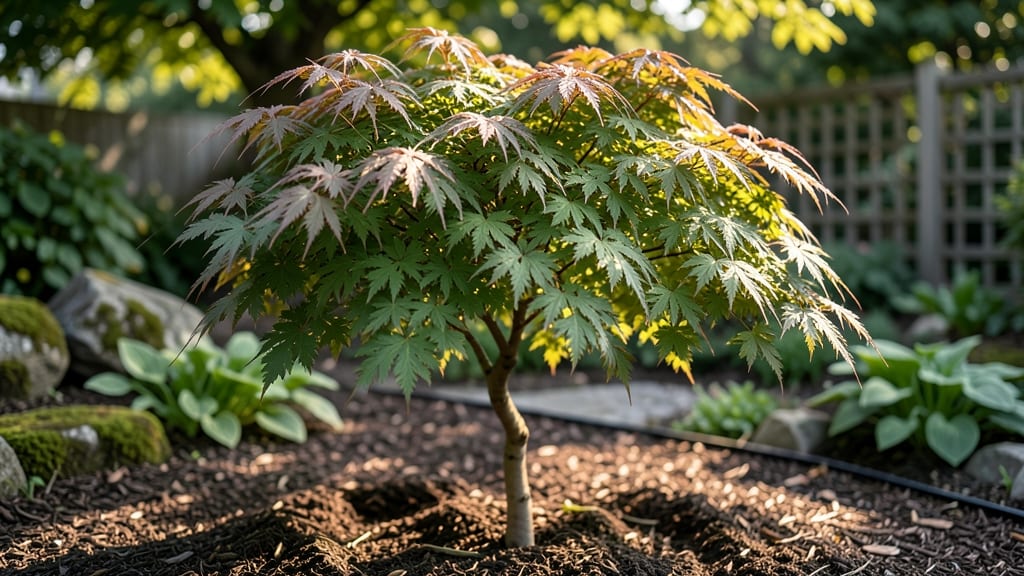
Your Japanese maple fern leaf could be the star of your garden if you prune it right. ✨ I’ve watched mine transform from a scraggly mess into a lush, cascading masterpiece—all thanks to a few strategic cuts at the right time.
The secret isn’t just trimming; it’s understanding how this delicate tree responds to light, growth cycles, and even seasonal shifts.
Start with the basics: sharp pruning shears, a clean workspace, and a plan. Fern-leaf Japanese maples (like Acer palmatum ‘Dissectum’) need gentle pruning to maintain their fine, feathery foliage.
Cut back leggy stems in early spring to encourage bushier growth, and remove dead or crossing branches year-round. The goal? Keep that signature fern-like texture without sacrificing structure.
By summer’s end, you’ll see the payoff: vibrant green leaves that shimmer in sunlight, branches that fill out beautifully, and a tree that stays compact and manageable—even in small gardens. The key is patience; these maples reward slow, thoughtful pruning over aggressive trimming.
Works for both container-grown and in-ground specimens, and the same principles apply whether you’re dealing with a mature tree or a young sapling. Let’s get those shears ready!
📚 In This Guide
- What you need
- Instructions
- Tips and common mistakes
- Wrapping up and next steps
What you need
- ● Pruning shears: Sharp, bypass-style shears (4–6 inch blades) for clean cuts on small branches.
- ● Loppers: 8–10 inch loppers for thicker branches (up to 1.5 inches in diameter).
- ● Hand pruners: Anvil-style pruners (for quick cuts on stubborn stems).
- ● Disinfectant (70% isopropyl alcohol or hydrogen peroxide): 1–2 sprays to sterilize tools between cuts.
- ● Rubbing alcohol wipes: 10–20 wipes for quick tool cleanups.
- ● Gloves: Heavy-duty gardening gloves (nitrile-coated for grip and protection).
- ○ Pruning saw: Optional but helpful for branches thicker than 2 inches (fine-tooth blade preferred).
- ● Sealing wax: For larger cuts (1–2 tubes) to prevent disease entry.
- ● Fungicide spray: Copper-based or neem oil (ready-to-use bottle) for post-pruning protection.
- ● Marking twine or flags: To tag branches for future reference (if doing structural pruning).
- ● Bucket or tarp: For collecting debris (5–10 gallon capacity).
- ● Notebook & pen: To jot down pruning notes (e.g., branch locations, dates).
Instructions for pruning Japanese maple fern leaf varieties
Strategic pruning keeps your Japanese maple's delicate fern-like foliage dense and vibrant year-round.
✂️ Step 1: Assess Growth Habits and Timing
Japanese maples like 'Bloodgood' or 'Shishigashira' respond best to pruning when they're dormant—late fall or early winter—but you can also trim lightly after spring flushes. Look for dead, crossing, or overcrowded branches first. These are your priority targets before shaping the canopy. I always start with a clean sweep of weak growth to open the center to airflow.
Use sharp, clean pruners to make cuts at a 45-degree angle, just above a leaf node or outward-facing bud. This encourages new growth in the right direction. Avoid heavy pruning in summer—it stresses the tree and can lead to sunscald on tender new leaves.
🌿 Step 2: Thin Out the Canopy for Airflow
Fern leaf varieties like 'Seiryu' thrive when their branches aren't crowded. Step back and identify branches that rub against each other or grow inward. These should be removed entirely at their base to prevent future damage. I aim to reduce the canopy density by 20-30%—just enough to let light and air circulate without exposing too much bare wood.
Watch for water sprouts (fast-growing, vertical shoots) and prune them back to a lateral branch. These saplings steal energy from your prized foliage. Use hand pruners for branches under ¼ inch thick and loppers for thicker stems, always cutting just outside the branch collar to avoid tearing the bark.
☀️ Step 3: Shape for Balance and Structure
Now focus on the overall form. Japanese maples grow naturally tiered, so I preserve that layered look by pruning longer branches back to a shorter lateral. For example, if a branch extends too far, cut it back to a side branch that's ⅓ the length of the main stem. This maintains the tree's elegant silhouette while encouraging bushier growth at lower levels.
Pay special attention to the top third of the tree—this is where most new growth emerges. Lightly trim the outer edges to encourage outward growth rather than upward. Avoid heavy pruning here, as it can cause leggy regrowth. Step back frequently to check your progress—you want the tree to look full from all angles.
🪴 Step 4: Post-Pruning Care for Healthy Recovery
After trimming, rake up all debris to prevent fungal diseases from taking hold in damp leaves. Apply a 2-3 inch layer of mulch around the base (but keep it 6 inches away from the trunk) to retain moisture and protect roots. Water deeply to help the tree recover, especially if you've made significant cuts—this encourages callus formation at the wound sites.
Monitor the tree closely for the first 2-3 weeks after pruning. New growth should appear within 4-6 weeks if conditions are right. If you notice yellowing leaves or stunted growth, it might indicate over-pruning or stress. In that case, reduce future cuts by 10-15% and focus on maintaining rather than reshaping.
⏰ Step 5: Seasonal Maintenance Schedule
Plan three light pruning sessions annually: late winter (to shape before spring growth), early summer (to remove any water sprouts or damaged leaves), and fall cleanup (after leaf drop). Each session should be no more than 10-15% of the canopy to avoid shocking the tree. I keep a pruning journal to track growth patterns—this helps me adjust my approach each year.
For young trees (5 years or younger), focus on training the structure rather than heavy pruning. Older trees can handle more aggressive shaping, but always prioritize removing dead wood first. The key is consistency—small, regular adjustments keep your Japanese maple looking effortlessly lush without the risk of over-pruning.
Tips & tricks for perfect Japanese maple fern leaf pruning
These essential insights will help you maintain your tree's health and beauty without the guesswork.
Timing is Everything: The dormant season—late fall or early winter—is ideal for pruning because the tree's energy is conserved, making it less stressful. However, if you notice water sprouts or damaged branches after spring flushes, address them immediately. I've learned that waiting too long can lead to more extensive damage, especially in varieties like 'Seiryu' that are prone to rapid vertical growth. Always prioritize removing dead, crossing, or overcrowded branches first—they're your tree's weak points.
The Technique That Changed Everything: When making cuts, the 45-degree angle just above a leaf node or outward-facing bud isn't just a suggestion—it's a game-changer. This angle prevents water from pooling at the cut site, reducing the risk of fungal infections. I also recommend using a sharp, clean pruner every time. Dull tools crush the bark and create jagged edges, which are more susceptible to disease. For branches thicker than ¼ inch, switch to loppers—they give you better leverage without damaging the branch collar.
Seasonal Strategy: The three-season pruning schedule in Step 5 is non-negotiable for long-term health. Late winter shaping prepares the tree for spring growth, early summer removes those pesky water sprouts before they steal nutrients, and fall cleanup prevents pests from overwintering in dead leaves. I keep a simple pruning journal noting which branches I remove each season—it helps me track patterns and avoid over-pruning. For young trees under 5 years, focus on training rather than heavy pruning; their structure is still developing.
Pro Tips for Japanese Maple Fern Leaf
- These essential insights will help you maintain your tree's health and beauty without the guesswork.
- Timing is Everything: The dormant season—late fall or early winter—is ideal for pruning because the tree's energy is conserved, making it less stressful.
- The Technique That Changed Everything: When making cuts, the 45-degree angle just above a leaf node or outward-facing bud isn't just a suggestion—it's a game-changer.
Frequently asked questions
When is the best time to prune my Japanese Maple Fern Leaf?
The ideal time is late winter or early spring (just before new growth begins). Light pruning can also happen in summer to shape the tree, but avoid heavy cuts then—it stresses the plant. Never prune in fall or winter unless removing dead/diseased branches, as this can expose it to cold damage.
How much can I trim without harming the tree?
For healthy growth, limit pruning to no more than 1/3 of the tree’s foliage in a single session. Over-pruning weakens the tree and reduces its ability to photosynthesize. Focus on thinning out crowded branches and shaping rather than aggressive cuts. Young trees tolerate pruning better than mature ones!
Why are my leaves turning yellow/brown after pruning?
Yellowing or browning can signal stress from over-pruning, fungal infection, or environmental factors (like heat or drought). If cuts were too severe, the tree may struggle to recover. Check for pests or disease (like powdery mildew) and adjust watering. Avoid pruning during extreme weather, and apply a balanced fertilizer post-trimming if needed.
Can I propagate my Japanese Maple Fern Leaf from cuttings?
Yes! Softwood cuttings (4–6 inches long) taken in late spring or early summer root best. Dip the cut end in rooting hormone, plant in moist perlite/sand mix, and keep humid (use a plastic bag). Roots may form in 4–8 weeks. Hardwood cuttings (winter) are trickier but possible with patience.
What’s the difference between pruning for shape vs. rejuvenation?
| Shape Pruning | Rejuvenation Pruning |
|---|---|
| Light trimming to enhance natural form, remove dead wood, and encourage airflow. Done yearly. | More aggressive—cutting back 1/3–1/2 of old wood to stimulate new growth. Only for overgrown or neglected trees (spring-only!). |
Pro tip: If your tree is healthy but unruly, shape pruning is your best friend. Rejuvenation is a last resort!
Wrapping up and next steps
Your Japanese Maple Fern Leaf is now primed for year-round vibrancy—thanks to strategic pruning! Remember, the key lies in timing, technique, and tenderness: trim dead growth in early spring, shape in late spring, and clean up in fall.
Regular care keeps your tree healthy, compact, and stunning, while avoiding over-pruning ensures it thrives for decades. 🌿✨
Ready to level up your green thumb? Start by scheduling your next pruning session—whether it’s a gentle touch-up or a full grooming session. And if you’re feeling bold, experiment with layering techniques or seasonal styling to make your Japanese Maple stand out even more!