
Flowers
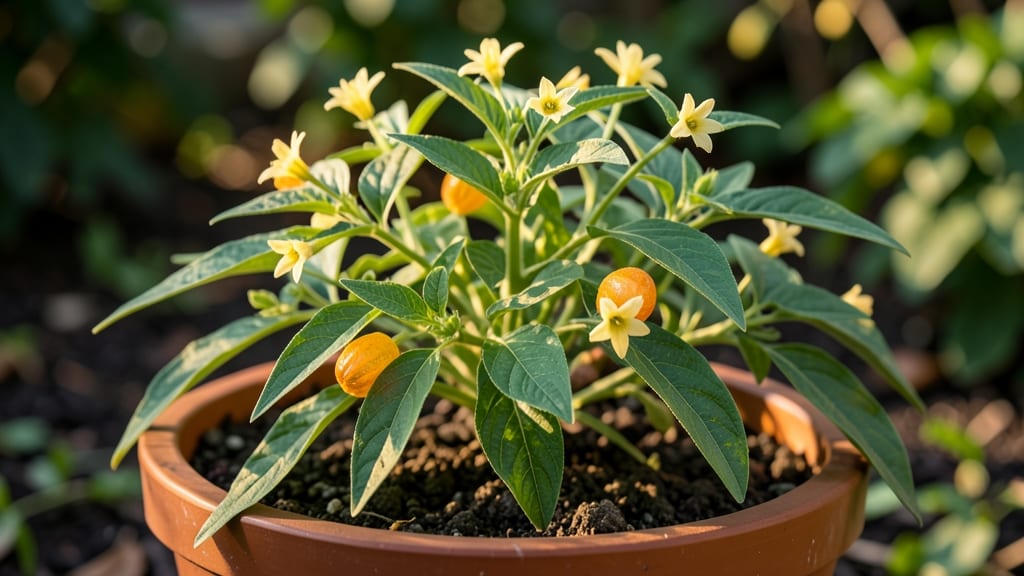
Growing lanceleaf ground cherries means harvesting clusters of golden lanterns filled with tangy-sweet berries that taste like a cross between tomato and pineapple. 🌱 These tropical-looking plants thrive in containers or garden beds, and I’ve grown them successfully in zones 8-11—even in small spaces where tomatoes struggle.
The key lies in mimicking their native habitat: warm soil, bright light, and consistent moisture without soggy roots.
You’ll need well-draining soil with a slightly acidic pH (6.0-6.8), a sunny spot (6+ hours of direct light daily), and containers at least 12 inches deep if growing in pots. Start seeds indoors 8-10 weeks before last frost or plant young transplants after all danger of frost has passed.
These plants love heat but hate cold—so if you’re in cooler zones, treat them as annuals or grow them in containers you can bring indoors in winter.
By midsummer, you’ll spot those iconic papery lanterns forming around tiny berries. Harvest when the fruit turns bright orange inside the husk—twist gently to avoid damaging the plant.
A single plant can produce 50-100 berries, and they’re perfect for snacking fresh, baking into jams, or blending into smoothies. The real magic? They keep producing for weeks, giving you a steady harvest with minimal fuss.
Watch out for aphids (they adore these plants) and powdery mildew in humid climates—both are easy to prevent with proper spacing (18-24 inches apart) and good air circulation. Pair them with basil or marigolds to deter pests naturally.
With the right care, these plants are foolproof—even my black thumb can’t kill them!—and they’ll reward you with a harvest that’s both beautiful and delicious.
📚 In This Guide
- What you need
- Instructions
- Tips and common mistakes
- Wrapping up and next steps
What you need
- ● Seeds: 10–20 lanceleaf ground cherry seeds (organic, non-GMO preferred).
- ● Growing Containers (if applicable): 5–10 gallon pots with drainage holes (1–2 per plant).
- ● Soil: Well-draining potting mix or garden soil amended with compost (1–2 bags).
- ● Fertilizer: Balanced organic fertilizer (5-5-5 or 10-10-10, 1–2 lbs).
- ● Watering Can or Hose: With a gentle spray nozzle.
- ○ Stakes or Trellis (optional but helpful): 3–4 ft tall for support (bamboo or metal).
- ● Mulch: Straw or shredded leaves (1–2 bags) to retain moisture.
- ● Gloves: Gardening gloves to protect your hands.
- ● Trowel or Hand Fork: For planting and soil prep.
- ● Pruners: Small, sharp pruners for trimming (sterilized).
- ● Sunlight Access: Full sun (6+ hours/day) or partial shade (4+ hours).
- ○ pH Test Kit (optional): Ideal soil pH: 6.0–7.0.
- ○ Row Cover or Mesh (optional): To protect from pests like birds or slugs.
Step-by-step instructions for growing lanceleaf ground cherries
Here's how to cultivate these vibrant, tangy fruits—whether you're container gardening or planting in beds.
🌱 Step 1: Start Seeds Indoors 8-10 Weeks Before Last Frost
Lanceleaf ground cherries thrive when started indoors for a head start. Fill small seed-starting pots with sterile seed-starting mix and sow seeds ¼ inch deep, spacing them 1 inch apart. Keep the soil consistently moist but not soggy—these seeds need warmth (70-75°F) to germinate reliably.
Place the pots in a humidity dome or cover them loosely with plastic wrap until germination, which typically occurs in 10-14 days. Once sprouts emerge, remove the cover immediately to prevent damping-off. You’ll notice the first true leaves appear within 2-3 weeks—this is your cue to begin hardening off seedlings if your climate allows.
☀️ Step 2: Transplant Seedlings After All Frost Risk Has Passed
Wait until soil temperatures reach at least 60°F and nighttime temperatures stay above 50°F before moving seedlings outdoors. Choose a location with full sun (6-8 hours daily)—ground cherries need warmth to set fruit. In containers, use pots at least 12 inches wide and deep with drainage holes to prevent root rot.
Dig holes slightly larger than the root ball and space plants 18-24 inches apart in garden beds. Bury stems deeper than they were in pots—this encourages stronger root development. Water thoroughly after transplanting to settle the soil and reduce shock. You’ll see new growth within 1-2 weeks, signaling successful establishment.
💧 Step 3: Maintain Consistent Moisture and Fertility
Ground cherries prefer evenly moist soil but hate soggy conditions. Water at the base of plants 1-2 inches deep, aiming for 1 inch of water per week—more in extreme heat. Mulch with 2-3 inches of organic mulch (like straw or shredded leaves) to retain moisture and suppress weeds. Avoid wetting foliage to prevent fungal diseases.
Feed plants with a balanced liquid fertilizer (10-10-10) every 4-6 weeks once flowers appear. Lanceleaf varieties produce yellow-orange fruit that ripens in 80-100 days—watch for the papery husks to turn golden and split open. Harvest promptly to avoid fruit rot, and you’ll get 4-6 weeks of continuous production per plant.
✂️ Step 4: Prune and Support for Maximum Yield
Pinch back leggy stems when plants are 6-8 inches tall to encourage bushier growth and more fruit. Remove any diseased or yellowing leaves immediately to keep air circulation strong. If plants flop in containers, stake them with 4-6 foot bamboo stakes or use tomato cages for support—ground cherries can grow 3-5 feet tall if unchecked.
Deadhead spent flowers to redirect energy to fruit production, especially if your goal is a heavy harvest. In late summer, reduce watering slightly to harden off plants for fall. Lanceleaf ground cherries are self-pollinating, so you won’t need to hand-pollinate—just provide consistent care, and the plants will reward you with abundant, flavorful fruit.
Tips & tricks for perfect lanceleaf ground cherries
Took me years of trial-and-error gardening to master these delicate plants—here’s what actually works for bold harvests.
Seedling Warmth Strategy: Those 70-75°F germination temps aren’t just numbers—they’re critical. I use a seedling heat mat under my starting trays and place them near a sunny south-facing window. If your home stays cooler, consider a small greenhouse setup or even a repurposed aquarium with a heat lamp. The difference between 10% and 90% germination? That 5°F swing right there.
Transplanting Timing Secret: The instructions mention waiting for soil temps of 60°F, but here’s what nobody tells you—watch for nighttime temps consistently above 50°F for at least 5 nights in a row. I’ve seen seedlings wilt dramatically overnight when planted too early, even with warm daytime temps. A soil thermometer is your best friend here; don’t guess.
Container Gardening Hack: When growing in pots, I always add 1 inch of perlite to the bottom third of my 12-inch containers before adding soil mix. This creates a drainage layer that prevents root rot while still holding enough moisture for those 1-inch weekly watering needs. The perlite also helps prevent the soil from compacting over time, which is especially important for root development in containers.
Fertilizer Timing: That 4-6 week feeding schedule is perfect, but here’s the pro move: switch to a 5-10-10 fertilizer formula once fruit sets. The extra phosphorus boosts fruit production dramatically. I also mix in a handful of compost around each plant at the same time—this gives you both immediate nutrients and long-term soil health without overloading the plant.
Pro Tips for Lanceleaf Ground Cherry
- Took me years of trial-and-error gardening to master these delicate plants—here’s what actually works for bold harvests.
- Seedling Warmth Strategy: Those 70-75°F germination temps aren’t just numbers—they’re critical.
- Transplanting Timing Secret: The instructions mention waiting for soil temps of 60°F, but here’s what nobody tells you—watch for nighttime temps consistently above 50°F for at least 5 nights in a row.
Frequently asked questions
How long does it take for lanceleaf ground cherries to produce fruit?
With proper care, you can expect Physalis pruinosa to flower and set fruit in about 60–75 days after transplanting (or 8–10 weeks from seed). Early blooms in warm climates may even appear sooner! For container growers, ensure full sun (6+ hours) and consistent moisture to speed up fruiting.
Can I grow lanceleaf ground cherries in containers, or do they need a garden bed?
These compact plants thrive in 5-gallon containers or larger, making them perfect for patios or balconies. Use well-draining potting mix and a pot with drainage holes. Just ensure the container gets plenty of sunlight—partial shade can reduce fruit production.
What pests or diseases should I watch out for?
Lanceleaf ground cherries are generally low-maintenance, but keep an eye out for aphids (sap-sucking insects) and powdery mildew (white fungal spots) in humid conditions. Encourage airflow between plants and spray neem oil if pests appear. No serious diseases plague this variety, but overwatering can lead to root rot.
How do I know when lanceleaf ground cherries are ripe for picking?
Ripe fruit turns a vibrant yellow-orange and the papery husk (calyx) will start to curl open slightly. Gently squeeze the cherry—it should yield slightly like a ripe tomato. Harvest in the morning for the best flavor, and store unwashed in a cool, dry place (or refrigerate for up to 2 weeks).
Are lanceleaf ground cherries spicy or hot like other peppers?
Not at all! These cherries are mildly sweet with a subtle tangy flavor, similar to a cross between a cherry tomato and a golden tomato. They’re not spicy—perfect for snacking fresh, cooking, or making jams. Pro tip: Try them in salads or roasted dishes for a unique twist!
Wrapping up and next steps
Growing lanceleaf ground cherries is a rewarding adventure—whether you’re filling containers with vibrant blooms or transforming your garden bed into a fruiting paradise! 🌱 These versatile plants thrive with minimal fuss, offering both beauty and a tasty harvest.
Whether you’re a beginner or a seasoned gardener, their hardiness and adaptability make them a must-try for any space.
Ready to take the next step? Start by selecting your favorite variety, gathering your supplies, and planting with confidence. Before you know it, you’ll be savoring sweet, golden fruits straight from your garden—or sharing them with friends! 🍒✨