
Pests
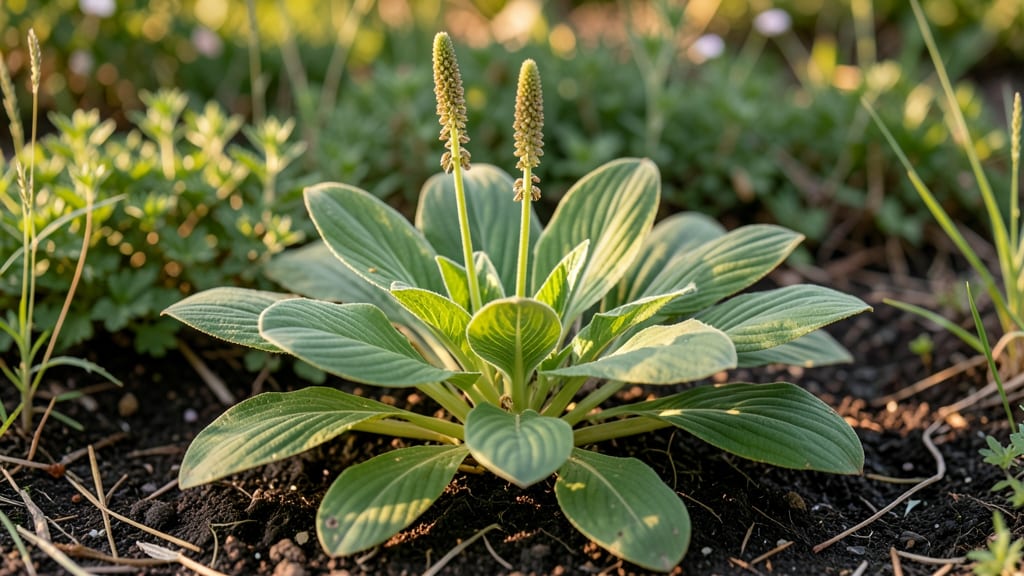
That crispy-edged large round leaf weed pattern is dollarweed's calling card—and it's about to become your least favorite sight in the garden. 🌱 I've battled this stubborn weed for years, and copper spray isn't just another remedy—it's the game-changer that actually works when everything else fails.
The secret lies in its ability to create those telltale brown edges that signal death to the plant while keeping your soil and beneficial insects safe.
Most gardeners reach for herbicides first, but dollarweed thrives on chemical resistance. Copper spray works differently—it disrupts the weed's cellular processes through contact, giving you visible results within 3-5 days of application.
You'll need just 2 tablespoons of copper sulfate per gallon of water, mixed in a spray bottle, and applied on a dry, calm morning when the leaves are fully unfurled.
What you'll end up with is a yard where dollarweed can't take hold, your lawn stays lush, and you avoid the backbreaking work of hand-pulling. The copper solution lasts through multiple rain cycles and won't harm your grass or flowers—just the pesky round leaves you're targeting.
Better yet, it's ready to use within 10 minutes of mixing.
This method works equally well in backyard gardens, raised beds, and even container plantings where dollarweed sneaks in through mulch. The key is consistency—apply every 7-10 days during active growth seasons, and you'll see those crispy edges spreading faster than the weeds themselves.
Here's how to make it happen without the guesswork.
Root Causes Behind Leaf Growth
When you spot large, round leaves creeping into your garden or lawn, it’s rarely a coincidence. These plants thrive due to specific conditions that favor their rapid spread.
Understanding why they appear—and how to disrupt their cycle—is key to reclaiming your green space. Let’s break down the science behind their persistence.
Large round-leafed weeds, like dandelions or plantain, are opportunistic survivors. They flourish in soil packed with organic matter, nitrogen, or phosphorus—nutrients often left behind by over-fertilized lawns or compost-heavy garden beds.
- Why it happens: These weeds have deep taproots that efficiently absorb excess nutrients, outcompeting grass or desired plants. A soil test revealing high nitrogen (N) or phosphorus (P) levels is a red flag.
- Actionable fix:
- Apply a low-nitrogen, balanced fertilizer (e.g., 10-10-10) to starve weeds while nourishing grass.
- Add sand or perlite to heavy clay soil to improve drainage and reduce nutrient density.
Weeds with broad leaves love moisture. Overwatering—whether from frequent irrigation, poor drainage, or rainfall—keeps the soil damp, giving these plants the hydration they crave to spread aggressively.
- Why it happens: Excess water washes away soil nutrients, but it also concentrates them in the top layer, where weed seeds germinate. Shady, soggy areas (like under trees or near downspouts) become weed magnets.
- Actionable fix:
- Water deeply but infrequently (1–1.5 inches per week) to encourage grass roots to grow deeper, outcompeting weeds.
- Install French drains or improve soil aeration to reduce water pooling.
Some round-leafed weeds, like clover or creeping charlie, thrive in partial shade, while others (e.g., henbit) dominate in full sun. Uneven sunlight creates a patchwork where weeds take over.
- Why it happens: Thin grass or bare spots allow sunlight to reach weed seeds, triggering germination. Dense shade (from trees or structures) suppresses grass but lets shade-tolerant weeds dominate.
- Actionable fix:
- Thin overgrown trees or shrubs to increase sunlight to grassy areas.
- Sow shade-tolerant grass varieties (e.g., fine fescue) in low-light zones to crowd out weeds.
Weeds exploit gaps in your lawn. Whether from foot traffic, pests, or disease, thin grass leaves room for weeds to establish roots and spread unchecked.
- Why it happens: Grass competes with weeds for resources. When grass thins (due to grubs, drought, or fungal infections), weeds fill the void. A lawn with <30% bare soil is vulnerable.
- Actionable fix:
- Reseed bare patches with high-quality turf or overseed in early fall.
- Apply pre-emergent herbicides (like prodiamine) in early spring to block weed seeds before they sprout.
Weeds don’t just grow—they invade. Their lightweight seeds hitch rides on wind, water, and animals, landing in new territories with ease.
- Why it happens:
- Wind: Dandelion seeds travel miles on the breeze.
- Water: Rain or irrigation spreads seeds from one area to another.
- Wildlife: Birds and squirrels disperse seeds in their droppings.
- Actionable fix:
- Mow high and often (3–4 inches) to weaken weeds before they seed.
- Use mulch in garden beds to block windborne seeds.
- Clean lawn equipment after use to avoid spreading seeds.
By addressing these root causes—nutrient overload, overwatering, sunlight gaps, thin lawns, and seed spread—you’ll disrupt the cycle that lets round-leafed weeds take over. The next step? Targeted copper spray to stop their growth in its tracks.
Quick Fixes for Leafy Invaders
When those large round leaf weeds (likely dandelions, pennywort, or water hyacinth) start taking over, don’t panic—there’s a solution for every situation! Below, we’ve mapped out practical fixes based on the root cause, from manual removal to chemical-free sprays.
Plus, we’ll share prevention tips to keep your garden (or pond) weed-free long-term.
If your problem is surface-level weeds in lawns, flower beds, or shallow water, physical removal is often the fastest fix.
🔥 For Garden & Lawn Weeds (Dandelions, Clover, etc.)
- Pull at the Right Time 👨🍳
- Wait for damp soil (after rain or watering) to loosen roots for easier extraction.
- Grab the base of the weed (not just the leaves) and wiggle until the entire root comes out.
- Use Tools for Stubborn Roots ⏰
- A weeding knife or dandelion digger helps slice through deep roots without damaging nearby plants.
- For large patches, a hula hoe can chop weeds at the soil line before they seed.
- Dispose Properly 🗑️
- Bag and trash weeds to prevent reseeding—never compost mature dandelions (they’ll regrow!).
- Burn (if legal in your area) or bury deep to eliminate seeds.
💦 For Water-Based Weeds (Pennywort, Duckweed, etc.)
- Hand-Pick in Small Ponds 👩🔧
- Wear gloves and skimmer nets to pull out clumps before they spread.
- Focus on edges first—these weeds often start there.
- Barrier Method for Containment 🛡️
- Install a floating pond barrier (like a weed block mat) to stop roots from anchoring.
- Shade cloth (30-50%) can reduce sunlight, slowing growth.
If manual removal isn’t enough, natural sprays can kill weeds without harming your plants (or the planet).
🍳 Vinegar + Soap Spray (Best for Lawns & Beds)
| Ingredients | Why It Works | How to Use |
|---|---|---|
| 1 gallon white vinegar (20% acetic acid) | Kills weeds by denaturing proteins in leaves. | Mix in a spray bottle or garden sprayer. |
| 1 tbsp dish soap | Breaks surface tension so vinegar sticks. | Spray directly on leaves (avoid desirable plants!). |
| Optional: 1 tbsp salt | Speeds up desiccation (for tough weeds). | Apply on sunny days—vinegar works best with heat. |
✨ Pro Tip: Test on a small area first—vinegar can bleach some mulch or soil over time.
🌡️ Copper Sulfate Solution (For Water Hyacinth & Algae)
If your pond or water feature is overrun, copper-based treatments are the gold standard for large round leaf weeds like water hyacinth.
- Use Granular Copper Sulfate 🔥
- Follow package instructions (typically 1 lb per 100 sq ft for ponds).
- Broadcast evenly over the water’s surface—it dissolves and releases copper ions.
- Reapply as Needed 🔄
- Copper degrades over time (especially with rain), so retreat every 2-4 weeks until weeds disappear.
- Avoid fish ponds—copper is toxic to aquatic life. Use barley straw instead for algae control.
The best "cure" is prevention. Here’s how to keep round-leaf weeds out for good:
🌿 For Gardens & Lawns
- Mulch Thickly 🍂 (2-4 inches of wood chips or straw) to block sunlight and smother weeds.
- Plant Ground Covers 🌱 (like creeping thyme or clover) to outcompete weeds naturally.
- Mow High 🌾 (3-4 inches) to shade weed seeds and weaken their growth.
💦 For Ponds & Water Features
- Introduce Grass Carp 🐟 (if legal in your area—they eat water hyacinth like candy).
- Install a Pond Fountain 💦 (creates water movement, discouraging weeds from taking root).
- Regularly Test Water 📊 (balanced pH and nutrients reduce weed growth).
If your weed problem is spreading rapidly (e.g., invasive water hyacinth or aggressive dandelion colonies), consider:
- A local pond management service (for aquatic weeds).
- A landscaper for large-scale garden infestations.
- Professional herbicide application (if DIY methods fail—always use selectively).
Final Thought: Most round-leaf weeds respond well to consistent effort—whether it’s pulling, spraying, or preventing. Start with one method, monitor progress, and adjust as needed. Soon, your garden (or pond) will be weed-free and thriving! 🌿✨
Frequently asked questions about large round leaf weeds
What are the most common types of large round leaf weeds?
The most persistent offenders include dollarweed, pennywort, dandelions, plantain, and water hyacinth. These weeds thrive in moist conditions and can spread rapidly through windborne seeds or water currents.
Why does vinegar sometimes fail to kill these weeds?
Vinegar works best on young, actively growing weeds in full sun. Older weeds with thick leaves or deep roots may require multiple applications or a stronger solution (like copper sulfate). Always apply on dry, sunny days for optimal results.
Can I use copper sulfate around edible plants?
No—copper sulfate should only be used in non-edible areas or water features without fish. It can leach into soil and harm vegetables, fruits, and beneficial insects. For edible gardens, opt for vinegar-soap spray or manual removal instead.
How do I prevent these weeds from coming back?
Focus on soil health—improve drainage, reduce excess nitrogen, and maintain 2-4 inches of mulch in garden beds. For lawns, overseed bare patches in fall and mow at 3-4 inches to shade out weed seeds.
Are there any natural predators for water-based round leaf weeds?
Yes! Grass carp (if legal in your area) will eat water hyacinth and duckweed, while ducks and geese help control pennywort. Introducing these animals can reduce your need for chemical treatments.