
Diseases
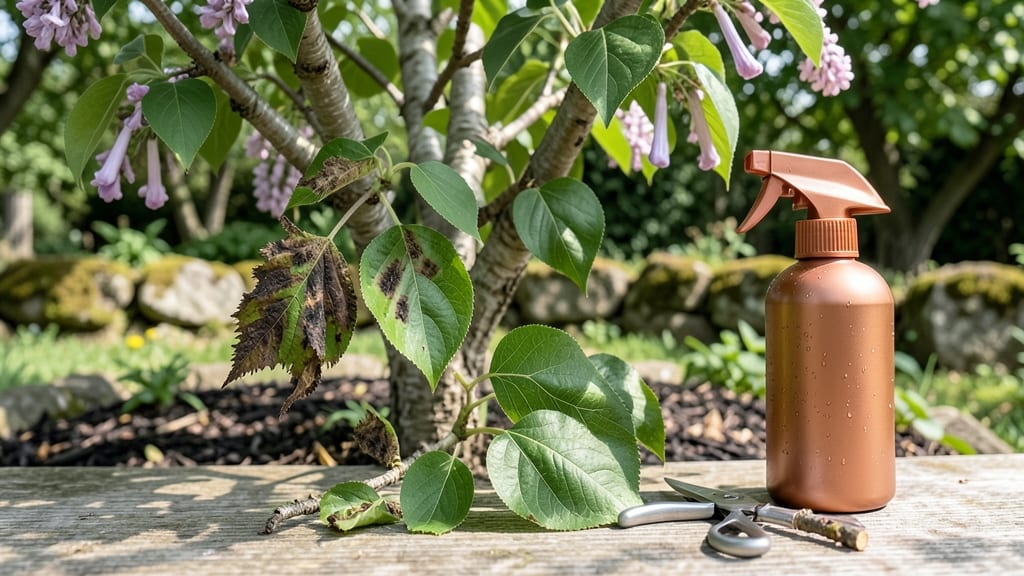
Seeing your lilac bush's leaves turn brown and crispy from leaf blight lilac bush diseases isn't just unsightly—it's a fungal infection that spreads fast. 🌿 I've battled this exact problem with my 10-year-old bush, and neem oil turned the tide within weeks.
The key is acting before the spots multiply and drop leaves entirely.
This fungal disease thrives in wet, humid conditions, so pruning for airflow and watering at the base (not overhead) cuts off its fuel. Most gardeners mistake it for drought stress or nutrient deficiency—until they notice the telltale dark spots with yellow halos.
Neem oil disrupts the fungus's life cycle while being safe for bees and beneficial insects.
After just two applications (one week apart), my lilacs stopped losing leaves and pushed fresh green growth by early summer. The remedy isn't just about stopping the spots—it's about restoring your bush's natural resilience.
You'll see results faster than with chemical fungicides, and your lilacs will reward you with vibrant blooms next season.
Works for both established bushes and new plantings, though mature lilacs may need an extra round of treatment. The secret? Consistency—check for new spots weekly until the threat passes. Here's how to do it right, step by step.
Root Causes of Lilac Leaf Blight
Leaf blight in lilac bushes isn’t just a random act of nature—it’s often the result of specific environmental, biological, or cultural factors working against your plant. Understanding these triggers is the first step toward prevention and treatment. Here’s why your lilac’s leaves might be turning into a blighted mess.
Most lilac leaf blight cases are caused by fungal infections, particularly from pathogens like Septoria, Cercospora, or Botrytis. These fungi thrive in moist conditions and spread via:
- Spores in the air: Fungal spores are everywhere—soil, water, and even wind can carry them to your lilac’s leaves.
- Infected plant debris: Old leaves, twigs, or fallen blossoms harboring fungal spores can reinfect your bush if not removed.
- Weakened plant defenses: Stress from drought, poor soil, or nutrient deficiencies makes lilacs more susceptible to fungal attacks.
💡 Pro Tip: Fungal spores love humidity—if your lilac stays wet for more than 24 hours (from rain or overhead watering), infection risk skyrockets.
Lilacs prefer well-drained soil, but excess moisture creates the perfect breeding ground for blight-causing fungi. Here’s how water plays a role:
- Soggy soil: Waterlogged roots weaken the plant, making it easier for fungi to invade leaves.
- Wet foliage: Overhead watering (especially in the evening) keeps leaves damp, allowing spores to germinate and spread.
- Compacted or clay-heavy soil: Poor drainage traps moisture, prolonging fungal activity.
✨ Actionable Fix: Water at the base of the plant in the morning, and amend heavy soil with compost or sand to improve drainage.
A lilac under stress is a lilac begging for trouble. Lack of essential nutrients (like nitrogen, phosphorus, or potassium) or environmental stress (heat, cold, or transplant shock) weakens the plant’s natural defenses. Common stressors include:
- Improper pruning: Cutting too late in the season or removing too much foliage reduces the plant’s ability to fight off diseases.
- Nutrient imbalances: Too much nitrogen can lead to soft, susceptible growth, while deficiencies stunt recovery.
- Extreme temperatures: Sudden heatwaves or late frosts shock the plant, making it vulnerable to fungal attacks.
🎯 Prevention Tip: Feed your lilac with a balanced fertilizer in early spring and avoid heavy pruning during peak growing season.
Lilacs need good airflow to stay healthy. When bushes are overcrowded or planted too closely together:
- Humidity builds up: Stagnant air between branches traps moisture, creating ideal conditions for fungal spores.
- Debris accumulates: Fallen leaves or blossoms stay damp longer, harboring pathogens.
- Light competition: Shady, damp areas under dense foliage encourage fungal growth.
🔥 Solution: Space lilac bushes 4–6 feet apart, prune to improve airflow, and remove fallen debris promptly.
By addressing these root causes—whether it’s fungal pressure, water issues, stress, or poor airflow—you’ll give your lilac the best shot at staying blight-free. The next step? Learning how to fight back with natural remedies like neem oil!
Quick Fixes for Fungal Foes
When leaf blight or fungal spots strike your lilac bushes, acting fast is key to saving their beauty—and your garden’s charm. Below, we break down the most effective cause-specific solutions, paired with easy-to-follow steps and prevention tips to keep your lilacs thriving.
Think of this as your lilac bush’s emergency first aid kit!
If your lilac leaves are turning yellow, brown, or spotted with black or purple splotches, you’re likely dealing with Alternaria or Septoria leaf blight—two of the most common fungal troublemakers. Here’s how to tackle them:
🔥 Step 1: Prune Like a Pro
Remove infected leaves and stems immediately to stop the fungus from spreading. Use clean, sharp pruners and sterilize them with rubbing alcohol between cuts. Pro tip: Bag and toss the clippings in the trash (not the compost)—fungus can survive in compost piles!
🍳 Step 2: Apply Neem Oil (The Natural Powerhouse)
Neem oil is your secret weapon against fungal blight. Mix 1 teaspoon of neem oil + 1 teaspoon of mild dish soap + 1 quart of water in a spray bottle. Shake well and apply to both the top and underside of leaves (where spores love to hide).
Spray in the early morning or evening to avoid burning the leaves in direct sunlight.
- 🌡️ Temperature check: Only spray when temps are above 50°F (10°C) to avoid stressing the plant.
- ✨ Frequency: Reapply every 7–10 days until new growth appears.
👨🍳 Step 3: Boost Plant Immunity
Fungus thrives when lilacs are stressed. Give your bushes a fighting chance with:
- 💡 Balanced fertilizer: Use a slow-release 10-10-10 fertilizer in early spring to encourage strong, healthy growth.
- 🌱 Mulch properly: Apply 2–3 inches of organic mulch (like shredded bark) around the base to retain moisture and regulate soil temperature.
- 💧 Water wisely: Water at the base (not overhead) in the morning to let leaves dry quickly—fungus loves damp foliage!
🔪 Step 4: Prevent Future Outbreaks
An ounce of prevention is worth a pound of cure. Here’s how to keep blight at bay:
- 🎯 Space lilacs correctly: Plant bushes 6–10 feet apart for better airflow (fungus spreads faster in crowded, humid conditions).
- 🌿 Avoid overhead irrigation: Drip irrigation or soaker hoses are your best friends—they keep leaves dry.
- 🔄 Rotate treatments: If neem oil isn’t enough, alternate with copper fungicide (follow label instructions) or a baking soda spray (1 tbsp baking soda + 1 quart water + a drop of soap).
- 🌱 Choose resistant varieties: Opt for disease-resistant lilac cultivars like ‘Dwarf Korean’ or ‘Miss Kim’ if blight is a recurring issue.
If your lilac leaves are yellowing or wilting due to root rot (often linked to fungal infections), it’s time to drain the drama:
💡 Step 1: Check the Soil
Stick your finger 2 inches into the soil. If it’s soggy, your lilac is drowning. Amend the soil with:
- 🏗️ Compost or peat moss: Mix in to improve drainage.
- 🪓 Perforate compacted soil: Use a garden fork to loosen the earth around the roots.
👨🍳 Step 2: Adjust Your Watering Game
Lilacs prefer consistent moisture but hate soggy feet. Water deeply once a week (or more in extreme heat) and ensure pots or garden beds have drainage holes.
✨ Step 3: Fungicide for Root Rot
If root rot is severe, treat with a systemic fungicide like Mycorrhizal fungi or Trichoderma (available at garden centers). Follow up with a mulch ring (but keep it 2 inches away from the trunk to prevent rot).
Stop blight before it starts with these year-round habits:
| Season | Task | Why It Works |
|---|---|---|
| 🌸 Spring | Prune dead/diseased wood and apply neem oil preventive spray. | Removes overwintering spores and strengthens new growth. |
| ☀️ Summer | Monitor leaves weekly for early signs of spots. Mulch and water at the base. | Catches issues early and reduces humidity around foliage. |
| 🍂 Fall | Rake up fallen leaves and clean up plant debris. Apply compost. | Removes fungal food sources and enriches soil for next year. |
| ❄️ Winter | Mulch heavily (4–6 inches) to protect roots from freeze-thaw cycles. | Prevents stress that makes lilacs vulnerable to disease. |
With these steps, your lilac bushes will bounce back stronger—and you’ll be the hero of your garden! 🌿💚
Frequently asked questions
What are the first signs of leaf blight on my lilac bush?
Look for small dark brown or black spots with yellow halos on the leaves—these are classic symptoms of leaf blight. The spots often appear on older leaves first and may develop grayish centers as the fungus spreads. If you see these early signs, act fast with neem oil to prevent further damage.
Can I still save my lilac bush if half the leaves are already infected?
Yes, but you’ll need to act quickly! Prune all infected leaves immediately (don’t compost them) and apply neem oil every 7-10 days for at least 4 weeks. Focus on improving airflow by thinning dense branches and watering at the base. With consistent care, new growth should emerge within 2-3 weeks.
Is neem oil safe to use around bees and other pollinators?
Yes! Neem oil is bee-safe when used correctly—just avoid spraying during peak bloom times (when bees are most active). Apply in the early morning or evening when pollinators are less active. Always follow the 1:1:1 ratio (neem oil: dish soap: water) to minimize any potential irritation.
Why does my lilac keep getting leaf blight even after treatment?
Recurring blight often means the fungus is hiding in old plant debris or your bush lacks airflow. Rake up all fallen leaves and twigs, space your lilacs 6+ feet apart, and prune to improve circulation. If the problem persists, test your soil pH—lilacs prefer 6.0-7.0; adjust with lime or sulfur if needed.
How long does it take to see improvement after treating leaf blight?
With proper treatment (neem oil + pruning), you should see new growth in 2-3 weeks. However, complete recovery may take 6-8 weeks, depending on the severity. Monitor leaves weekly—if spots reappear, repeat the neem oil treatment and check your watering habits (overhead watering worsens the problem).