
Planting
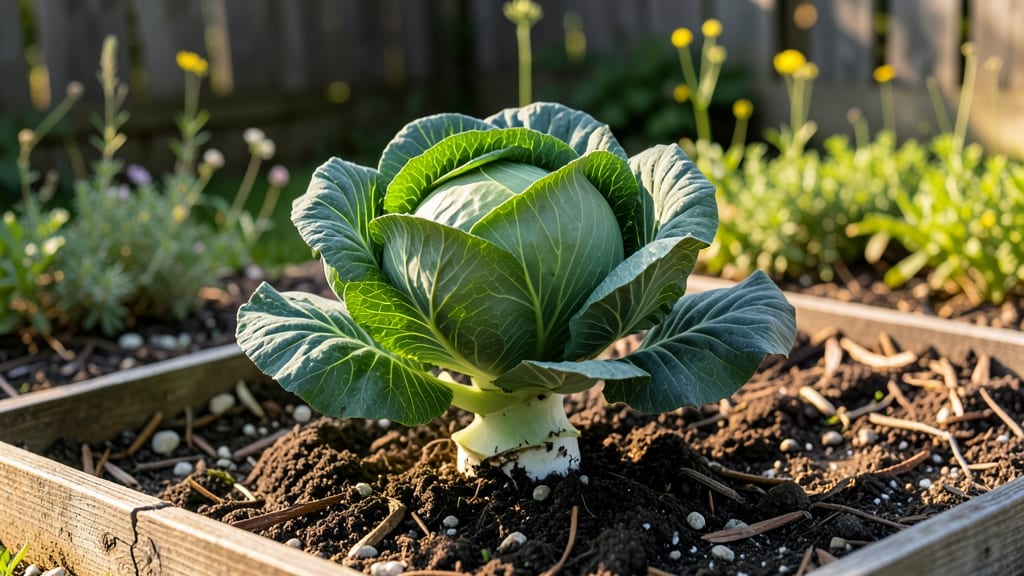
Growing leaf cabbage plants like bok choy and kale means fresh greens on demand—no store-bought salad mix needed. 🌱 I’ve grown these for years, and the secret isn’t complicated: they thrive in cool weather, tolerate light frosts, and even rebound after harvests.
The key is knowing when to plant, how to water, and which varieties suit your climate. Start with well-draining soil rich in compost (they hate soggy roots) and give them 4-6 hours of sunlight daily. Bok choy matures in 3-4 weeks, while kale keeps producing for months.
Overcrowding? Snip the outer leaves first—the plant just grows more. And yes, they taste sweeter after a light frost. You’ll harvest crisp, nutrient-packed greens for months, with minimal effort. Even my black thumb can’t kill these. The real magic? They regrow after cutting, so one plant feeds you all season.
Perfect for small spaces, containers, or full gardens. Troubleshoot early bolting (flowering) by keeping them cool and watered consistently. Pests? A spray of water usually does the trick. Once you master this, you’ll never buy bagged salad again.
📚 In This Guide
- What you need
- Instructions
- Tips and common mistakes
- Wrapping up and next steps
What you need
- ● Leaf cabbage seeds: 20–50 seeds (depending on desired harvest size; choose heirloom or hybrid varieties like ‘Red Express’ or ‘Golden Acre’).
- ● Seed-starting mix: 1–2 gallons of sterile, well-draining potting soil (or coco coir for sustainability).
- ● Containers or garden bed: For seedlings: 4–6 small pots (4–6 inches deep) or a seed tray.
- ● For transplanting: 12–18-inch-deep containers or a 12-inch-wide garden bed with loose, fertile soil.
- ● Fertilizer: Balanced organic fertilizer (5-5-5 or 10-10-10 NPK ratio) or compost (1–2 cups per plant).
- ● Watering can or hose: With a gentle spray nozzle for seedlings.
- ● Garden gloves: To protect hands while handling soil or plants.
- ○ Twine or stakes (optional for support): If growing in windy areas.
- ● Grow lights or a sunny windowsill (for indoor seed starting).
- ● Row covers or frost cloth (to extend the growing season).
- ● Mulch (straw or shredded leaves) to retain moisture and suppress weeds.
- ● pH test kit (ideal soil pH: 6.0–7.0 for cabbage).
- ● Insecticidal soap or neem oil (for pest prevention).
Step-by-step instructions for growing leaf cabbage year-round
Here's how to grow leaf cabbage with minimal fuss—no fancy tools or complicated steps.
🌱 Step 1: Choose and Prepare Your Growing Space
Leaf cabbage thrives in cool weather (50-75°F), making it perfect for spring and fall planting. If growing in summer, opt for partial shade to prevent bolting. I like to start with a 4-inch-deep container or a well-prepared garden bed with loose, fertile soil—leaf cabbage hates compacted roots.
For containers, fill with a mix of 50% potting soil and 50% compost to ensure good drainage. If planting in the ground, amend the soil with 2-3 inches of compost and work it in to a depth of 12 inches. Leaf cabbage grows best in slightly acidic soil (pH 6.0-7.0), so test your soil if possible—you can adjust with lime or sulfur if needed.
🌱 Step 2: Plant Seeds or Transplants at the Right Time
Direct-sow seeds ¼ inch deep and 1 inch apart after the last frost date in spring or 6-8 weeks before the first fall frost. For a year-round harvest, stagger plantings every 2-3 weeks—this ensures a continuous supply of tender leaves. If using transplants, space them 12-18 inches apart in rows 2 feet apart.
Water gently after planting to settle the soil around seeds or roots. Avoid disturbing the soil surface—leaf cabbage seeds are tiny and need consistent moisture to germinate. You'll see sprouts in 5-10 days if conditions are ideal. If planting in containers, keep them in a shaded area for the first week to prevent stress.
💧 Step 3: Water and Maintain for Continuous Harvest
Leaf cabbage needs 1-1.5 inches of water per week, either from rainfall or irrigation. Water at the base of the plant in the morning to reduce evaporation and prevent fungal diseases. Keep the soil consistently moist but not soggy—wilting leaves mean it's time to water, but soggy soil invites rot.
Mulch around the base with 2-3 inches of straw or shredded leaves to retain moisture and suppress weeds. This is especially important in containers, where soil dries out faster. Fertilize lightly every 4-6 weeks with a balanced organic fertilizer (like 5-5-5) to encourage steady growth without bitter leaves.
✂️ Step 4: Harvest Leaves as Needed for Regrowth
The magic of leaf cabbage is its ability to regrow after harvesting. Use clean scissors or pruners to snip outer leaves when they reach 6-8 inches tall, leaving the inner leaves intact. This encourages the plant to produce more leaves instead of bolting to seed. You can harvest 20-30% of the plant at a time without harming it.
Harvest in the morning when leaves are crisp and full of moisture. Avoid pulling leaves—this can damage the plant. With proper care, a single plant can provide harvests for 6-8 weeks before needing a rest. If leaves start to taste bitter or bolt (send up a flower stalk), it's time to replace the plant with a new one.
☀️ Step 5: Protect and Extend the Season
To grow leaf cabbage year-round, use row covers in early spring or late fall to extend the season. In winter, add a thick layer of mulch and protect plants with a cold frame or cloches. In hot climates, provide afternoon shade to prevent bolting. I’ve grown leaf cabbage successfully in 32°F temperatures with a little extra mulch and protection.
Rotate crops annually to prevent soil-borne diseases. Leaf cabbage is a heavy feeder, so replenish nutrients with compost or organic fertilizer after each harvest cycle. With these steps, you’ll enjoy fresh, tender leaves straight from your garden for months.
Tips & tricks for perfect leaf cabbage year-round
These simple tricks will help you keep your leaf cabbage thriving through every season without the guesswork.
Soil Preparation Secret: When mixing your 50% potting soil and 50% compost blend for containers, add a handful of perlite or vermiculite to improve drainage. Leaf cabbage roots need oxygen too! I've found this prevents that dreaded soggy soil that invites rot—especially important in those 4-inch-deep containers where water can pool quickly.
Timing Your Plantings: The 6-8 week window before fall frost is your golden opportunity for continuous harvests. I like to mark my calendar with planting reminders every 2-3 weeks—this staggering ensures you always have fresh leaves coming in. Pro tip: Use a small whiteboard in your garden shed to track planting dates and expected harvest windows.
Watering Wisdom: That 1-1.5 inches per week guideline works great, but morning watering is non-negotiable. I've learned the hard way that evening water can lead to fungal issues when leaves stay damp overnight. For containers, I check moisture by lifting the pot—if it feels light, it's time to water. And remember, mulch is your best friend for retaining that moisture, especially in those 2-3 inch layers around the base.
Harvesting Technique: When those outer leaves reach 6-8 inches, I use kitchen scissors (cleaned with rubbing alcohol first!) to make precise cuts just above the inner leaves. This clean cut prevents damage to the growing point and encourages bushier regrowth. Never pull leaves—this tears the plant and invites pests. I've harvested the same plant for 6-8 weeks using this method, with each cut producing more tender leaves.
Pro Tips for Leaf Cabbage Plant
- These simple tricks will help you keep your leaf cabbage thriving through every season without the guesswork.
- Soil Preparation Secret: When mixing your 50% potting soil and 50% compost blend for containers, add a handful of perlite or vermiculite to improve drainage.
- Timing Your Plantings: The 6-8 week window before fall frost is your golden opportunity for continuous harvests.
Frequently asked questions
How often should I harvest leaf cabbage for continuous production?
Harvest outer leaves every 2–3 weeks by cutting just above the base with clean scissors. Avoid taking more than ⅓ of the plant at once—this encourages regrowth. With proper care, a single plant can yield 10–15 lbs over its lifespan (6–8 months).
Can leaf cabbage survive frost, or do I need to protect it in cold climates?
Leaf cabbage is highly frost-tolerant! Light frosts (25–30°F) won’t harm it, and it can even sweeten in cold weather. For heavy freezes (below 20°F), use row covers or mulch. In zones 3–10, it thrives year-round with minimal winter prep.
What’s the best alternative if my leaf cabbage bolts or tastes bitter?
If your plant bolts (sends up a flower stalk) or turns bitter, try heat-tolerant varieties like ‘Red Express’ or switch to Chinese cabbage or kale for similar texture. For bitter flavors, harvest in cooler weather or shade the plant during hot days.
How do I prevent pests (like aphids or cabbage worms) from destroying my plants?
Use row covers early to block pests, or spray with neem oil or insecticidal soap. Introduce beneficial insects like ladybugs or handpick worms. Healthy soil (rich in compost) also boosts plant resilience. Rotate crops yearly to reduce pest buildup.
When is the ideal time to plant leaf cabbage for a fall/winter harvest?
For fall/winter harvests, sow seeds 8–10 weeks before your first frost (e.g., late summer in most climates). Succession plant every 3–4 weeks until 6 weeks before frost to ensure a steady supply. Young plants handle cold better than mature ones!
Wrapping up and next steps
Growing a leaf cabbage plant is a rewarding way to enjoy fresh, crunchy greens year-round with minimal effort! 🌱 Whether you're a beginner or seasoned gardener, its fast growth, versatility, and low-maintenance nature make it a perfect addition to any garden.
Start small—try a few plants in containers or your backyard—and soon, you’ll be harvesting crisp leaves for salads, stir-fries, or snacks.
Ready to dive in? Pick your spot, grab your seeds, and get planting! With just a little patience, you’ll have a thriving leaf cabbage patch in no time. Happy gardening! 🌿