
Leaf Blower
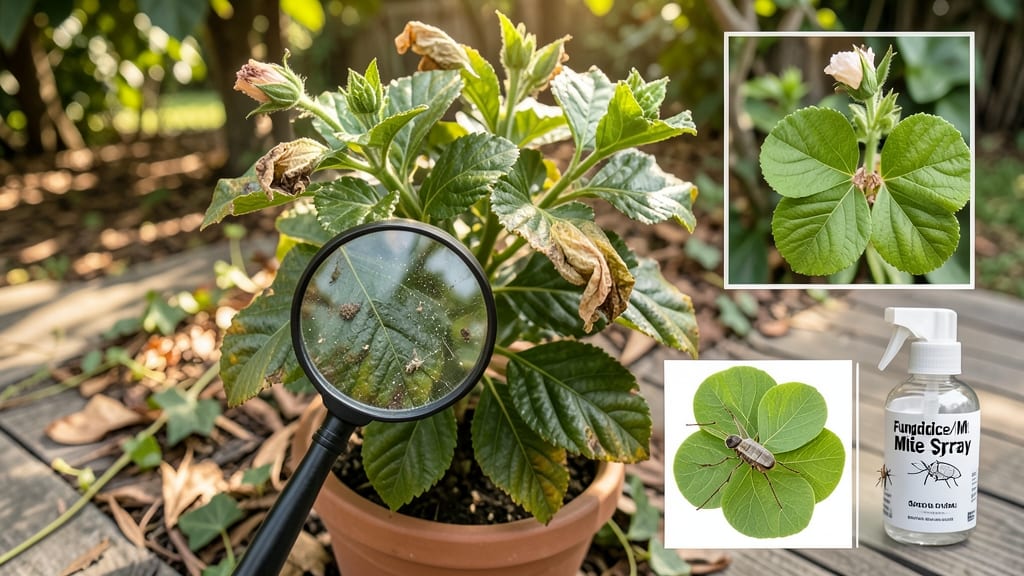
When your hibiscus leaves start curling like a sad green scroll, it’s time to act fast—this isn’t just cosmetic. 🌿 I’ve seen this fungal spot spiral into full-blown leaf drop if ignored, but copper fungicide applied exactly right can turn things around.
The key is catching it early, before the spots turn black and the edges crisp. Hibiscus hate humidity and crowded leaves, so the first step is pruning out the worst curls and thinning the branches for airflow.
Then comes the copper spray: mix it at the right strength, apply it before rain, and repeat every 10-14 days until new growth looks clean. No shortcuts—this is where most gardeners mess up.
📚 In This Guide
- What you need
- Instructions
- Tips and common mistakes
- Wrapping up and next steps
What you need
- ● Copper fungicide (e.g., Copper Sulfate Pentahydrate or Copper Hydroxide): 1–2 lbs (for small to medium plants)
- ● 3–5 lbs (for large hibiscus bushes or severe infestations)
- ● Garden sprayer (hose-end or backpack): Minimum 1–2 gallon capacity
- ● Adjustable nozzle for fine mist (critical for even coverage!)
- ● Pruning shears (sterilized): Sharp, disinfectant-cleaned blades (70% isopropyl alcohol works)
- ● Gloves (nitrile or rubber): Chemical-resistant for copper fungicide handling
- ● Plastic sheeting or tarp: Large enough to cover surrounding soil/grass (prevents runoff)
- ● Garden hose with showerhead attachment: For rinsing leaves post-treatment.
- ● Fan or hairdryer (low heat): Helps speed up drying (reduces fungal re-infection).
- ○ Neem oil (1% solution): Optional pre-treatment for mildew prevention.
- ● Label markers: To tag treated plants (avoids over-application).
- ● Safety goggles: Recommended if spraying near eyes or windy conditions.
Step-by-Step instructions for treating leaf curl on hibiscus
Here’s how I tackle fungal leaf curl with precision—no guesswork, just results.
🌿 Step 1: Identify and Isolate the Problem
First, confirm it’s fungal leaf curl by checking for yellowing, curling leaves with dark spots on the undersides. Fungal leaf curl spreads fast, so immediately move affected plants to a shaded, dry area away from healthy hibiscus. I use a small tarp or old sheet to isolate them temporarily—this prevents spores from drifting to other plants.
Grab a pair of clean pruning shears and trim away all visibly infected leaves, cutting back to healthy tissue. Don’t leave any curled or spotted foliage behind—those are the fungus’s strongholds. I always sterilize my shears with rubbing alcohol between cuts to avoid cross-contamination.
💧 Step 2: Clean the Plant and Surroundings
Use a 10% bleach solution (1 part bleach to 9 parts water) to wipe down leaves, stems, and the pot. Focus on the undersides where fungal spores love to hide. I wear gloves for this—bleach can irritate skin, and hibiscus leaves are delicate. After cleaning, rinse the plant thoroughly with clean water to remove any bleach residue.
Don’t forget the area around the plant! Sweep up fallen leaves and debris within a 3-foot radius and dispose of them in the trash—not the compost. Fungal spores can survive in organic matter, so this step is critical. I also spray the surrounding soil lightly with the bleach solution to kill any lingering spores.
✂️ Step 3: Apply Copper Fungicide Precisely
Mix the copper fungicide according to the label instructions—usually 1-2 tablespoons per gallon of water. I use a spray bottle for targeted application, focusing on the undersides of leaves and new growth areas. Avoid spraying in direct sunlight; the copper can burn leaves if it dries too quickly. Early morning or late afternoon is ideal.
Apply the fungicide until the leaves are lightly coated but not dripping. I like to work in sections, spraying one side of the plant first, then flipping it over to treat the undersides. Reapply every 7-10 days or after heavy rain, as copper washes off quickly. Consistency is key—fungus won’t stand a chance if you stay on top of it.
☀️ Step 4: Optimize Growing Conditions
Fungal leaf curl thrives in humid, poorly ventilated spaces. Improve airflow by spacing plants 3-4 feet apart and pruning back any overgrown branches that block circulation. I also avoid overhead watering—water at the base of the plant instead to keep leaves dry. If your hibiscus is in a container, ensure it has drainage holes to prevent soggy roots.
Monitor humidity levels—aim for 40-60% relative humidity. If your home or greenhouse runs dry, a small fan on low speed near the plants can help circulate air without stressing them. I’ve found that hibiscus recover faster in bright, indirect light (like a east-facing window) rather than harsh afternoon sun, which can stress the plant further.
⏰ Step 5: Monitor and Prevent Recurrence
Check your hibiscus daily for new signs of leaf curl. Healthy new growth should appear within 2-3 weeks if the fungus is under control. I keep a journal to track progress—marking the date of each treatment and noting any improvements or setbacks. This helps me adjust my approach if the fungus persists.
To prevent future outbreaks, rotate your fungicide with a neem oil spray every other application. Neem oil is a natural fungicide that also deters pests. Always store unused fungicide in a cool, dry place and label it clearly to avoid confusion. With consistent care, your hibiscus should bounce back stronger than ever!
Tips & tricks for treating fungal leaf curl on hibiscus
These practical tips will help you tackle fungal leaf curl more effectively and keep your hibiscus thriving.
Precision in Step 1: When isolating infected plants, use a dedicated tarp or sheet that you won’t reuse for healthy plants. I’ve learned the hard way that spores can linger on fabrics—disinfect any tools or surfaces that came into contact with infected foliage using the same 10% bleach solution you’ll use on the plant. This double protection prevents accidental spread to other areas of your garden.
Bleach Application Technique: In Step 2, focus your bleach solution on the undersides of leaves and any crevices where moisture collects. I dip a soft cloth or sponge into the solution and gently wipe each leaf rather than spraying directly—this gives you better control and prevents runoff. Always rinse thoroughly with clean water afterward to avoid chemical buildup that could harm the plant.
Copper Fungicide Strategy: For Step 3, I recommend mixing your copper fungicide in a spray bottle with a fine mist nozzle. This allows for precise application to the undersides of leaves where fungal spores often hide. Apply in the early morning so the solution has time to dry before afternoon heat. Remember, copper can be phytotoxic—always test a small area first if your hibiscus is particularly sensitive.
Environmental Monitoring: After optimizing growing conditions in Step 4, consider placing a small hygrometer near your hibiscus to monitor humidity levels. I’ve found that maintaining 40-60% humidity through a simple fan setup makes a noticeable difference in recovery time. The gentle airflow also helps prevent future fungal issues by reducing stagnant moisture around the leaves.
Pro Tips for Leaf Curl Hibiscus
- These practical tips will help you tackle fungal leaf curl more effectively and keep your hibiscus thriving.
- Precision in Step 1: When isolating infected plants, use a dedicated tarp or sheet that you won’t reuse for healthy plants.
- Bleach Application Technique: In Step 2, focus your bleach solution on the undersides of leaves and any crevices where moisture collects.
Frequently asked questions
Got questions about leaf curl hibiscus and copper fungicide treatments?
Here are some of the most common concerns—plus quick, actionable answers to help you tackle this fungal spot like a pro.
What causes leaf curl on hibiscus plants?
Leaf curl in hibiscus is typically caused by Exobasidium fungi, which thrive in warm, humid conditions. Overwatering, poor airflow, or stress from pests can also invite fungal infections. Look for curled, thickened leaves with white or pinkish spots—classic signs of this pesky issue.
How long does it take for copper fungicide to work on leaf curl?
Copper fungicide starts working within 24–48 hours of application, but visible improvement may take 1–3 weeks, depending on the infection’s severity. For best results, apply it at the first sign of symptoms and reapply every 7–14 days during humid weather.
Can I use copper fungicide on flowering hibiscus?
Yes! Copper fungicide is safe for flowering hibiscus when used as directed. However, avoid spraying directly on open blooms to prevent discoloration. Focus on leaves and stems, and apply in the early morning or late evening to minimize contact with flowers.
What’s a natural alternative to copper fungicide for leaf curl?
If you prefer organic solutions, try a baking soda spray (1 tsp baking soda + 1 quart water + a drop of dish soap) or neem oil (1 tbsp neem oil + 1 quart water). Spray leaves every 7–10 days until symptoms improve. Note: These work best for mild infections.
Will pruning help stop leaf curl from spreading?
Prune infected leaves immediately
using sterilized shears to prevent spores from spreading. Remove only the affected areas—don’t over-prune, as hibiscus needs foliage for energy. Dispose of pruned material in the trash (not compost) to avoid reinfection.
Wrapping up and next steps
Coping with leaf curl hibiscus doesn’t have to be a battle—precision with copper fungicide can turn the tide! 🌿 By following the right steps, you’ve got the tools to restore your hibiscus to its vibrant best. Stay consistent with treatments, and don’t hesitate to monitor for early signs of stress or reinfection.
Ready to see your hibiscus thrive? Start your first application this weekend and watch those leaves perk up! For extra peace of mind, consider testing your soil’s pH—balanced conditions make all the difference.