
Pests and Diseases
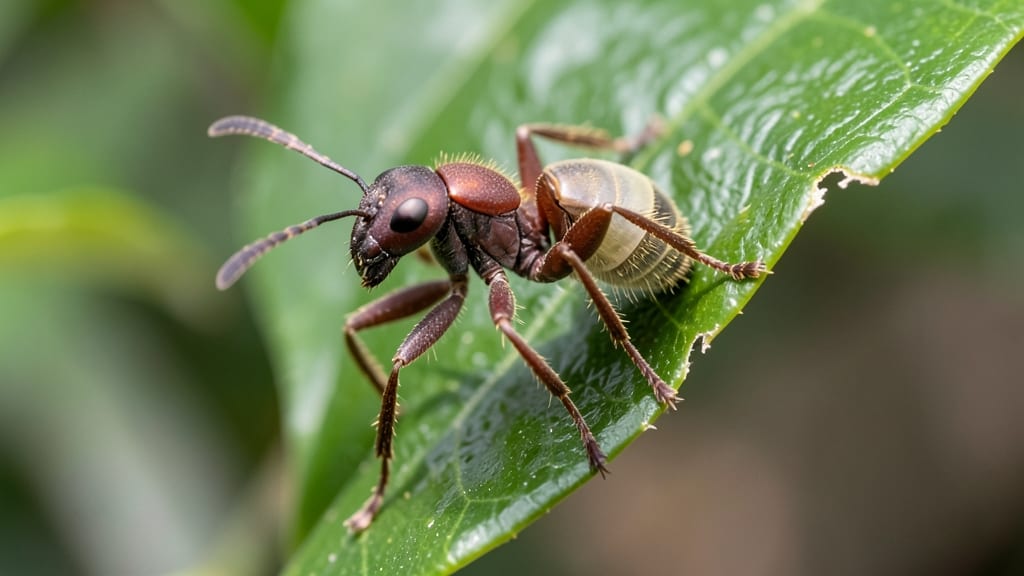
Leafcutter ants are turning your garden into a jungle gym. 🌿 These tiny but relentless insects march in straight lines, slicing leaves into perfect rectangles to feed their underground fungus farms—leaving your plants looking like Swiss cheese. They thrive in warm climates but can show up anywhere with consistent humidity.
My azaleas looked like lace curtains after a single night of their work, and I knew I had to act fast. The key is stopping their trails before they become highways to your prized plants.
You’ll reclaim your garden by disrupting their paths, removing their nests, and using organic deterrents like diatomaceous earth or neem oil. The damage stops within days, and your plants bounce back with proper care. Works for tropical gardens, greenhouses, or even houseplants on windowsills.
Here’s how to outsmart them without harsh chemicals.
The Science Behind Their Cutting Craze
Leaf cutter insects—often mistaken for a nuisance rather than a fascinating survivalist—engage in one of nature’s most precise behaviors: harvesting leaves to cultivate fungus. Their actions aren’t random; they’re driven by a complex interplay of biology, ecology, and evolutionary advantage.
Understanding why these insects behave this way reveals the intricate balance of their ecosystem and how they’ve thrived for millions of years. Let’s break down the core reasons behind their leaf-cutting obsession.
Leaf cutter ants (and their relatives) didn’t invent agriculture—they perfected it. Their behavior stems from a million-year-old evolutionary arms race with their environment. Here’s how it works:
- Food Scarcity in the Tropics: In dense rainforests, where competition for nutrients is fierce, fresh leaves are a limited resource. Instead of eating leaves directly (which are tough to digest), these insects repurpose them into a high-protein food source—fungus.
- Symbiotic Relationship: They carry Leucoagaricus gongylophorus, a specialized fungus, in their nests. The ants farm this fungus by cutting leaves, chewing them into a pulp, and using it to grow a lush, edible garden. In return, the fungus provides 90% of their diet.
- Division of Labor: Their colonies are hyper-organized, with workers specializing in cutting, carrying, and even defending the fungus from mold. This efficiency ensures survival in harsh conditions where other insects might starve.
Pro Tip: 💡 This farming behavior isn’t just clever—it’s one of the few examples of agriculture in the animal kingdom outside of humans!
You might wonder: Why leaves? Why not just eat fruit or insects? The answer lies in their dietary limitations and fungal dependency:
| Leaf Benefits | Why It’s Ideal for Fungus |
|---|---|
| High in nitrogen and cellulose | Fungus thrives on these compounds, making leaves the perfect substrate for growth. |
| Soft when young or partially decomposed | Easier to chew and process into pulp for the fungal garden. |
| Abundant in tropical ecosystems | Reduces competition; ants can harvest without depleting a single food source. |
Other food sources—like insects or nectar—don’t provide the consistent, large-scale nutrition needed to sustain their fungal farms. Leaves are their ultimate renewable resource.
Their leaf-cutting isn’t just about eating—it’s about protecting their entire colony. Here’s how their behavior safeguards their fungal gardens:
- Defense Against Contamination: The fungus they farm is not a wild strain—it’s a domesticated one, carefully cultivated to avoid mold and bacteria. Workers groom the fungus and even kill competing mold with specialized chemicals from their bodies.
- Temperature and Humidity Control: Nests are built to maintain ideal conditions (77–86°F and 80–90% humidity) for fungal growth. Leaf-cutting ensures a steady supply of fresh material to regulate moisture and prevent spoilage.
- Worker Specialization: Different ants handle different tasks—minors cut leaves, majors defend the nest, and soldiers protect the fungal garden from invaders (including other ant species). This division of labor maximizes efficiency.
Did You Know? 🌡️ Some colonies can self-regulate their temperature by adjusting leaf placement—almost like an air conditioning system for their fungus!
Leaf-cutting behavior isn’t constant—it’s triggered by specific conditions. Understanding these can help predict (and manage) outbreaks:
- Seasonal Leaf Growth: Ants ramp up cutting during wet seasons or after rains, when leaves are tender and nutrient-rich.
- Food Shortages: If a colony’s fungal garden is compromised by disease or competition, workers will cut more aggressively to restore their food supply.
- Nest Overcrowding: Larger colonies with limited space may expand their foraging range, leading to more visible damage in gardens.
- Plant Availability: Ants prefer young, healthy leaves over old or diseased ones. If your garden has lush, fast-growing plants, it becomes a prime target.
Actionable Insight: ✨ If you notice increased activity in spring or after heavy rain, it’s likely their fungal gardens are booming—and so is their appetite for leaves!
Quick Fixes for Garden Pests
Dealing with leaf cutter insects can feel like a never-ending battle, but the good news is that natural, organic solutions exist to reclaim your garden without harsh chemicals.
Below, we’ve mapped out practical fixes tailored to the root causes of infestations—whether it’s overgrown foliage, poor soil health, or an imbalance in your garden ecosystem. Follow these steps to restore harmony and keep your plants thriving.
If your plants are the primary target, the first line of defense is preventative care and strategic pruning.
🔪 Prune Strategically
- Remove damaged or infested leaves immediately to starve the colony of food and nesting material.
- Focus on new growth—leaf cutters love tender, fresh leaves.
Trim back overgrown branches to reduce their access. - Pro tip: 💡 Use sterilized pruners (wipe with rubbing alcohol) to avoid spreading fungal spores or pests to healthy plants.
🌱 Boost Plant Resilience
- Fertilize with compost or organic matter to strengthen plants. Healthy plants are less appealing to leaf cutters.
- Water deeply but less frequently to encourage strong root systems.
Weak roots = weaker defenses. - Mulch around the base with wood chips or straw to deter foraging insects and retain moisture.
Leaf cutter ants don’t just cut leaves—they build fungal gardens underground. Break their cycle with these targeted disruptions.
🏗️ Locate and Destroy Nests
- Watch for trails—leaf cutters leave distinct paths between plants and their nest.
Follow them to the source. - Dig carefully (wear gloves!) to expose the nest. Pour boiling water or vinegar directly into the entrance to kill the colony. 🔥 Caution: Avoid disturbing the soil if you have other beneficial insects nearby. - Alternative: Use diatomaceous earth (food-grade) around the nest entrance.
It dehydrates the insects without harming plants.
🍄 Starve Their Fungus Farm
- Leaf cutters farm fungus—disrupt this by introducing competitive microbes like Trichoderma fungi (available in organic stores).
- Avoid over-fertilizing with nitrogen, which can encourage fungal growth that the ants rely on.
A thriving garden has natural checks and balances. Encourage predators that hunt leaf cutters without harming your plants.
🐝 Attract Beneficial Insects
- Ladybugs, lacewings, and parasitic wasps prey on leaf cutter larvae. Plant dill, fennel, or marigolds to attract them.
- Install a small water source (like a shallow dish with pebbles) to keep these predators around.
🐸 Bring in Amphibians and Birds
- Frogs and toads eat leaf cutter ants. Create a small pond or damp hiding spot in your garden.
- Birdhouses or feeders can attract insect-eating birds like chickadees or wrens.
The best defense is a proactive garden strategy that makes your space uninviting to leaf cutters.
🌳 Choose Resistant Plants
Some plants are less appealing to leaf cutters. Consider:
- Citrus, lavender, rosemary, or eucalyptus (strong scents deter them).
- Native plants—local species often evolve natural defenses.
🌞 Optimize Garden Layout
- Space plants widely to reduce easy access for ants.
- Use gravel or sharp-edged mulch (like pine needles) in high-risk areas—ants dislike crawling over rough surfaces.
- Rotate crops if you’re growing vegetables to prevent reinfestation.
🌍 Encourage Biodiversity
A diverse garden with flowers, herbs, and shrubs supports a balanced ecosystem where predators outnumber pests.
Final Pro Tip: ✨ Monitor regularly—catch infestations early by checking undersides of leaves and plant stems for activity. The sooner you act, the easier it is to keep these garden thieves at bay!
Frequently asked questions
What do leaf cutter insects look like?
Leaf cutter ants are small (about 1/4 to 1/2 inch long) with a distinctive two-segmented body—a large head with strong mandibles and a narrow waist. Workers are usually reddish-brown to black, while soldiers have larger heads. Look for their straight, busy trails between plants and their nest.
How do I know if my plants have leaf cutter damage?
Check for perfectly cut rectangular or oval holes in leaves, often with tiny bite marks along the edges. You may also spot trails of tiny ants marching in single file or leaf fragments near plant bases. Young, tender leaves are their favorite targets.
Are leaf cutter insects harmful to humans?
No, they won't bite or sting humans. However, their fungus farms can spread mold spores if disturbed. Avoid digging near nests without protection, and wear gloves when handling infested plants. Their main threat is to your garden, not your health!
Can I use vinegar to kill leaf cutter ants?
Yes! Mix equal parts white vinegar and water in a spray bottle. Apply directly to ant trails and nest entrances. The strong smell disrupts their scent trails, and the acidity kills them on contact. Reapply after rain. For nests, pour undiluted vinegar into the entrance.
Will my leaf cutter problem come back after treatment?
Possibly, but you can reduce recurrence by removing all trails and nests, pruning damaged plants, and encouraging natural predators. Monitor for new activity, especially after rain when ants become more active. Consistent preventative care keeps them away long-term.