
Propagation
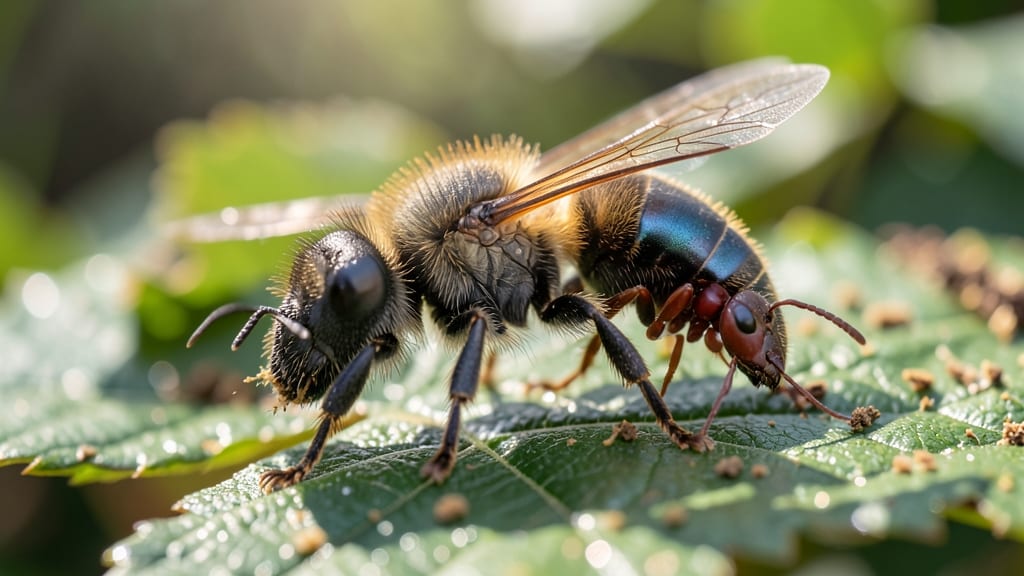
Those tiny notches in your leaves aren't just bad luck—they're leaf-cutting insects stealing your plant's future. 🌿 I've battled these pests ruining my propagation cuttings, and I'm sharing how to stop them before they derail your 4-week root growth plan.
The damage starts small: precise half-moon cuts along leaf edges, or entire sections missing. Leafcutter ants and beetles are the usual culprits, but even tiny sawflies can wreak havoc. These pests target young, tender leaves—exactly what you need for successful propagation.
With the right early detection and organic control, you'll protect your cuttings while they develop strong roots. I've tested methods that work without harsh chemicals, from neem oil sprays to strategic companion planting that makes your plants less appealing to pests.
Most gardeners don't realize how quickly these insects can turn a thriving propagation setup into a buffet. Here's how to spot them before they become a problem—and how to create an environment where your cuttings grow roots instead of becoming insect snacks.
Root Causes Of Leaf Damage
Leaf cutting isn’t just random nibbling—it’s a survival strategy driven by biology, environment, and plant chemistry. Understanding these triggers helps you outsmart the pests before they sabotage your propagation. Here’s why it happens:
---
Some insects, like leaf-cutting ants and sawfly larvae, are hardwired to harvest leaves—not for food, but to farm. These creatures don’t chew leaves to eat; they cut precise strips to cultivate fungal gardens underground. 🍄
- Ants: Workers carry leaf fragments back to their colonies, where they chew them into a nutrient-rich paste to feed specialized fungi.
Without this "livestock," their colonies starve. - Sawflies: Their larvae slice leaves to create a soft, decaying bed for their own development, mimicking a natural compost heap. - Caterpillars (e.g., looper moths): While they do eat leaves, their serrated mandibles create jagged cuts, unlike the clean slits of true leaf-cutters.
Actionable Insight: 🔍 If you spot parade-like trails of insects or sawdust-like frass (poop) near cuts, you’re likely dealing with ants or sawflies—not general defoliators.
---
Plants under stress emit volatile organic compounds (VOCs) that act like dinner bells for leaf-cutters. Think of it as a distress signal: "I’m weak—come eat me!"
| Stressor | How It Attracts Pests | Fix It Fast | |-----------------------|------------------------------------------------------------------------------------------|---------------------------------------------------------------------------------| | Overwatering | Roots suffocate → leaves release ethanol (a pest magnet). | 💡 Let soil dry 1–2 inches between waterings; improve drainage with perlite. | | Drought | Wilting leaves become easier to cut and emit terpenes (like a "help me" scent). | 🌡️ Mulch with straw or bark to retain moisture; water deeply but infrequently. | | Poor Nutrition | Nitrogen-deficient leaves are softer and more palatable. | 🥗 Feed with a balanced fertilizer (10-10-10) or compost tea every 4 weeks. | | High Humidity | Fungal growth thrives → sawfly larvae love damp, rotting leaf beds. | ⚡ Use a fan for airflow; avoid overhead watering. |
Pro Tip: 🌿 Stressed plants = open invitation. Rotate crops, sanitize tools, and quarantine new cuttings to break the cycle.
---
Not all leaves are equal in the insect world. Leaf-cutters are chemically picky—they zero in on plants with: - High sugar content (e.g., citrus, hibiscus). - Thin, tender leaves (e.g., ferns, begonia). - Weak secondary metabolites (natural pest-repellent compounds like tannins).
Why? - Sugar-rich leaves = easier energy extraction. - Thin leaves = less structural resistance. - Lack of tannins = no bitter "warning label" for pests.
Actionable Fix: 🛡️ Boost plant defenses with: - Neem oil spray (disrupts feeding signals). - Garlic/chili spray (masks plant VOCs). - Companion planting (e.g., basil near tomatoes repels sawflies).
--- Leaf-cutters aren’t random—they time attacks based on plant growth cycles: - Spring/Summer: Peak activity when new growth is soft and nutrient-dense. - After Rain: Soil moisture triggers ant foraging for leaf material. - Dusk/Dawn: Many pests (like ants) avoid daylight and strike under cover.
Smart Defense: 🌅 Monitor high-risk windows: - Check plants every 2–3 days during warm, humid periods. - Use sticky traps near soil to catch scout ants before they recruit the colony.
--- Leaf-cutters rarely appear out of nowhere—they hitch rides on: - New plants (contaminated soil or foliage). - Gardening tools (pruners, pots). - Wind/Water (ants can raft on floodwaters; sawfly larvae hitch rides in debris).
Quarantine Protocol: 🚫 1. Inspect new cuttings under a bright light for eggs or frass. 2. Wipe tools with 70% isopropyl alcohol between uses. 3. Avoid mulching near propagation beds (ants love it as a highway).
--- Key Takeaway: Leaf cutting is rarely about hunger—it’s about opportunity, chemistry, and biology. By addressing stress, timing, and hitchhiking risks, you can turn your propagation setup into a pest-proof fortress. 🏰
Quick Fixes for Stubborn Plant Cutters
When leaf-cutting insects—like those pesky leaf-cutting ants or beetles—start turning your plants into a DIY craft project, don’t panic! With the right approach, you can stop the damage fast and protect your propagation efforts.
Below, we’ve broken down practical solutions by cause, so you can act now and prevent future attacks.
---
If you’ve already spotted chewed leaves or tunnels, act fast to minimize harm.
#### 🔥 Remove Infested Plant Parts - 🔪 Snip and toss any leaves, stems, or branches with visible cuts or tunnels. - 🌱 Don’t compost them—these pests can survive and reinfest. Burn or trash them instead. - 👨🍳 Check the soil—some insects (like leaf-cutting ants) may be nesting below.
Gently sift through the top layer to spot tunnels or larvae.
#### 🍳 Isolate Affected Plants - 🏠 Move the plant to a quarantine zone (like a greenhouse, garage, or even a separate pot) away from healthy plants. - 🛡️ Use a mesh screen if outdoor propagation is unavoidable—fine netting (like floating row covers) can block ants and beetles. - 🚫 Avoid overcrowding—tight spaces make it easier for pests to spread.
---
Once you’ve contained the issue, eliminate the pests using these effective (and often non-toxic) methods.
#### 💡 Organic Solutions (Safe for Propagation) | Pest Type | Solution | How to Apply | |---------------------|---------------------------------------|------------------| | Leaf-Cutting Ants | Diatomaceous Earth (DE) 🌡️ | Sprinkle a thin layer around the base of the plant and along trails.
Reapply after rain. | | | Soap Spray (Insecticidal) 🧼 | Mix 1 tsp mild dish soap + 1 quart water.
Spray directly on ants and trails. | | | Cinnamon or Chili Powder 🌶️ | Dust around the plant’s base—ants hate the scent! | | Beetles & Grubs | Neem Oil Spray 🌿 | Mix 1 tbsp neem oil + 1 tsp mild soap + 1 quart water.
Spray foliage and soil. | | | Beneficial Nematodes 🐛 | Apply heterorhabditis bacteriophora to the soil—these microscopic worms kill grubs naturally. |
#### 🎯 Chemical Options (Use as Last Resort) - 🔥 Bifenthrin or Permethrin Sprays (for severe beetle infestations) – Follow label instructions carefully to avoid harming plants. - 🛡️ Ant Baits (Borax or Hydramethylnon) – Place away from plants to avoid poisoning beneficial insects. - ⚠️ Always wear gloves and a mask when handling pesticides, and reapply after rain.
---
The best defense? Stop pests before they start! These proactive steps will keep your propagation setup safe and thriving.
#### 💡 Garden Hygiene & Habitat Control - 🌱 Keep your propagation area clean—remove fallen leaves, debris, and old plant matter where pests hide. - 🚫 Avoid mulching too close to plant stems—ants and grubs love damp, shaded spots. - 🌡️ Monitor soil moisture—overwatering attracts grubs and softens soil, making it easier for pests to tunnel.
#### 🛡️ Physical Barriers & Traps - 🏗️ Use copper tape around pots—ants dislike the electric-like sensation it creates. - 🍫 Set up peanut butter or honey traps for ants—bury a small container filled with the mixture; ants will get stuck. - 🌿 Plant repellent herbs nearby—basil, mint, and lavender deter many leaf-cutting pests.
#### 🌱 Smart Propagation Practices - 🌱 Choose resistant plant varieties—some plants (like coleus, mint, or citrus) are less appealing to leaf-cutters. - 🌿 Rotate propagation locations—if pests are persistent in one spot, move your setup to a new area. - 🐝 Encourage natural predators—ladybugs, birds, and parasitic wasps (like Crematogaster ant predators) can help control populations.
--- Since your article focuses on 4-week propagation success, make this a habit: - Week 1: Inspect for early signs (tiny cuts, frass, or trails). - Week 2: Apply preventive barriers (DE, traps, or repellents). - Week 3: Reapply treatments if needed (especially after rain). - Week 4: Rotate or reinforce defenses before pests establish a colony.
--- Remember: The key is speed and consistency. Leaf-cutting insects multiply fast, but with these targeted fixes, you’ll protect your propagation and keep your plants healthy and growing! 🚀
Frequently asked questions
What’s the difference between leaf-cutting ants and sawfly larvae?
Leaf-cutting ants carry leaf pieces in neat lines to farm fungus underground, while sawfly larvae create ragged, window-pane cuts and leave frass (poop) behind. Ants work in organized trails, but sawflies hide in leaf litter during the day.
Can I still use infested leaves for propagation?
No—never use leaves with cuts or tunnels for propagation. These pests often carry eggs or larvae that will reinfest your new cuttings. Always inspect leaves closely before propagating, and discard any damaged foliage.
Why do leaf-cutting insects target new growth?
New growth is softer, more nutrient-dense, and lacks tough defenses like tannins. Pests prioritize tender leaves because they’re easier to cut and provide more energy—perfect for propagation cuttings!
How do I know if my plants have a fungal infection instead of leaf-cutters?
Fungal infections cause yellowing, powdery spots, or moldy growth, while leaf-cutters create precise cuts or missing sections. Check for tiny insects or frass (sawdust-like poop) near the damage—those confirm leaf-cutters.
Will diatomaceous earth (DE) harm my plants?
No, when applied correctly! Use food-grade DE only and sprinkle it lightly around the base (not on leaves). It’s non-toxic to plants but deadly to insects by dehydrating their exoskeletons. Reapply after rain.